

Une fenêtre sur l'âme du Nottinghamshire
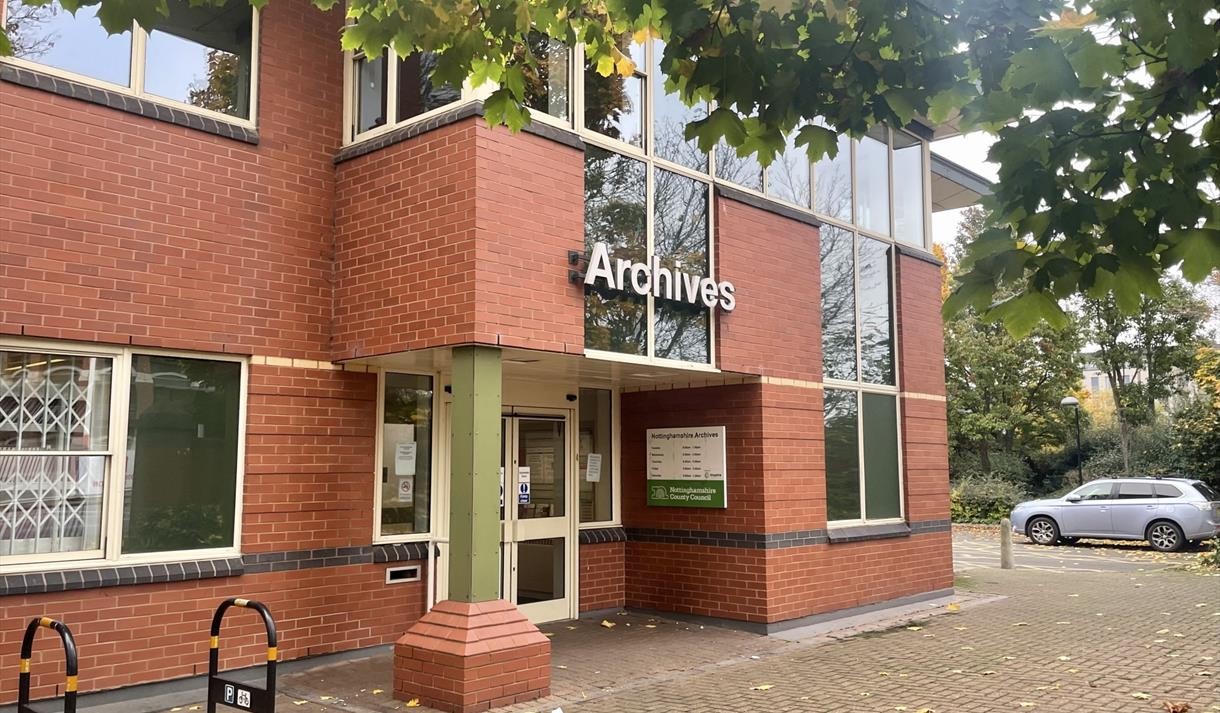
Pénétrer dans les Nottinghamshire Archives , c'est franchir un seuil entre le rythme effréné de la Nottingham moderne et un sanctuaire profond et silencieux où le temps lui-même semble suspendre son vol. Située au cœur de la ville, cette institution est bien plus qu'un simple dépôt de papier et d'encre ; elle est le témoignage vivant et vibrant de la puissance durable du récit humain. Les archives agissent comme un vaisseau pour la mémoire collective du comté, préservant les fils délicats d'une identité tissée à travers des siècles de luttes, de triomphes et de quotidiennetés. Pour l'amateur d'art ou l'historien, la collection offre une intimité inégalée, permettant de toucher le pouls même de l'évolution du Nottinghamshire.
La véritable magie des archives réside dans leur remarquable assemblage de matériaux, où chaque document sert de coup de pinceau dans un portrait historique bien plus vaste. Entre ces murs, l'on peut rencontrer la calligraphie méticuleuse de chartes médiévales, détaillant d'anciens litiges fonciers avec une gravité qui transcende les époques, ou tomber sur la correspondance poignante et manuscrite de citoyens de l'ère victorienne, offrant une fenêtre sur les paysages émotionnels d'une époque révolue. Pour ceux qui sont attirés par la lignée des hommes et des lieux, les registres paroissiaux constituent une mine d'or généalogique, fournissant les détails précis nécessaires pour reconstruire des histoires familiales avec une exactitude époustouflante. Cette collection ne traite pas seulement de faits ; elle évoque les textures de la vie — l'odeur du parchemin ancien et le poids des héritages préservés contre l'érosion de l'oubli.
Révérence architecturale et voyages organisés
L'architecture des archives renforce davantage ce sentiment de révérence érudite. Reflétant les sensibilités esthétiques de la fin de l'époque victorienne, le bâtiment présente une élégance sobre qui invite à la contemplation tranquille. Sa maçonnerie robuste et ses plafonds vertigineux sont conçus pour inspirer l'émerveillement, créant une atmosphère où la grandeur du passé semble physiquement présente. Cet héritage architectural offre une scène digne au contexte historique de la région, des premiers établissements romains aux moments charnières de la conquête normande. L'on ne peut s'empêcher de ressentir les échos de l'histoire dans ses couloirs, tout comme « View from Nottingham Castle » de John Rawson Walker capture la grandeur atmosphérique du paysage à travers un prisme romantique.
Au-delà de ses collections permanentes, les archives accueillent fréquemment des expositions qui illuminent des facettes spécifiques et vibrantes du patrimoine local. Ces parcours organisés ont exploré tout un éventail de sujets, de l'ingéniosité industrielle de la célèbre industrie de la dentelle de Nottingham aux paysages culturels complexes et mouvants façonnés par les migrations. De telles expositions transforment l'archive, passant d'une chambre forte statique à un catalyseur culturel dynamique. Que l'on explore la nostalgie rurale et sereine de « Windmills on Nottingham Forest » de Henry Smyth ou la beauté naturelle panoramique dépeinte dans « Nottingham Meadows from the Rock Cliff » de Richard Parkes Bonington , les archives fournissent le contexte essentiel qui insuffle la vie à ces visions artistiques. C'est cette capacité unique à jeter un pont entre la trace historique tangible et la puissance évocatrice de l'art qui fait des Nottinghamshire Archives une destination indispensable pour tout chercheur de vérité et de beauté.