Oratoire de San Bernardino

Infos pratiques

  • Alternate names:
    • Oratoire de San Bernardino
    • Oratoire de la Compagnia di San Bernardino
    • Oratoire de la Compagnie de Saint Bernardine
    • San Bernardino Oratoire
    • Opera Duomo Siena
  • Featured artists:
    • domenico di pace beccafumi
    • il sodoma (giovanni antonio bazzi)
    • girolamo del pacchia
  • Works on APS: 4
  • Location: Sienne, Italie

The Oratory of San Bernardino: A Symphony in Siena’s Renaissance Heart

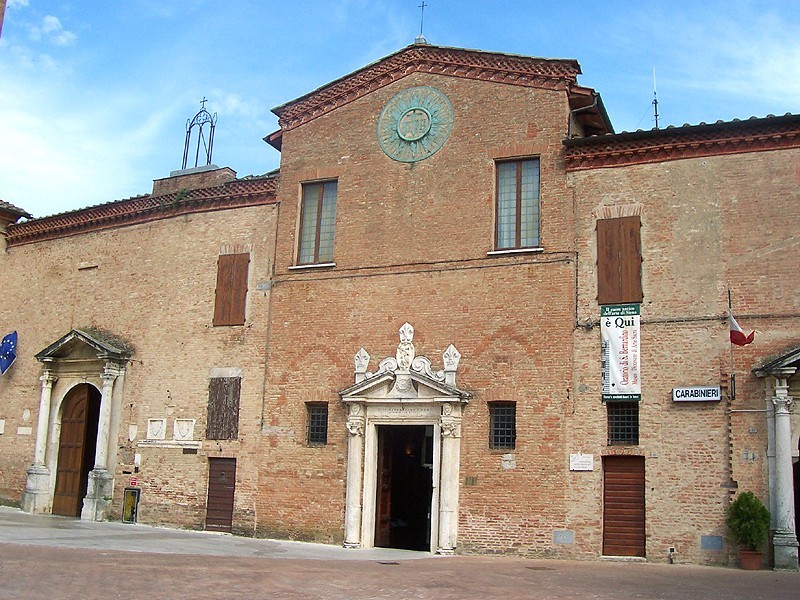
Nestled within Piazza San Francesco, Siena, lies the Oratory of San Bernardino – a sanctuary not merely of faith but also of artistic brilliance. Established as a confraternity dedicated to Saint Bernardine of Siena in 1273 and evolving into the Compagnia di San Bernardino by 1450 following his canonization, this edifice embodies centuries of Sienese artistic tradition. Elevated to minor basilica status in 1925, it stands alongside the Diocesan Museum, creating a harmonious dialogue between sacred space and artistic contemplation. The careful integration with the Diocesan Museum underscores Siena’s commitment to preserving and showcasing its cultural heritage. Visitors can immerse themselves in an environment where history breathes through every stone and fresco.

A Treasure Trove of Sienese Frescoes: Masters at Work

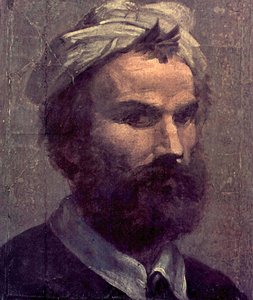
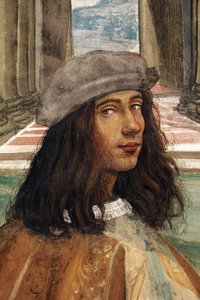
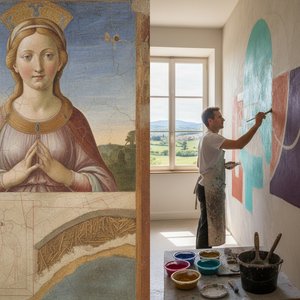
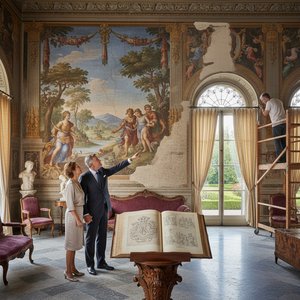
The Oratory's fame rests primarily upon its extraordinary collection of frescoes, executed by some of Siena’s most celebrated artists during the 16th and 17th centuries. Giovanni Antonio Bazzi, known as Il Sodoma, gifted the Oratory with monumental canvases depicting “St Ludovico,” “Presentation of Mary at the Temple,” and “Coronation of the Virgin”—works that exemplify Florentine influence blended seamlessly with local Sienese stylistic sensibilities. Domenico Beccafumi’s contribution is equally captivating; his frescoes—including “Marriage of the Virgin,” “Glory of the Virgin,” and “Madonna in Glory with Saints”—demonstrate a masterful command of color and composition, reflecting the humanist ideals prevalent at the time. These artists skillfully employed techniques honed over generations to convey profound spiritual narratives within the confines of this intimate space. The meticulous detail and vibrant hues speak volumes about the dedication and artistry invested in these masterpieces.

Architecture: Harmony Between Faith and Form

The Oratory’s structure itself is a testament to Sienese architectural prowess. Situated near the Basilica di San Francesco, it was erected around 1496, utilizing local limestone and adorned with intricately carved wooden panels that echo the grandeur of the Renaissance era. The building's design reflects the influence of Brunelleschi and embodies the principles of classical proportion—a deliberate choice intended to inspire reverence and contemplation. Adjacent to the Diocesan Museum, it provides a contextual framework for understanding Sienese artistic expression as a whole.

Historical Significance: From Confraternity to Basilica

Initially established as a confraternity dedicated to Saint Bernardine and Saint Francis in 1273, the Oratory’s history is marked by periods of renewal and transformation. Following Saint Bernardine's canonization in 1450, it became the Compagnia di San Bernardino—a vibrant center for religious devotion and artistic patronage. The basilica status conferred upon it in 1925 solidified its role as a beacon of Siena’s cultural heritage, ensuring its preservation for future generations.

Lower Oratory Treasures: Sculpture Reflects Faith

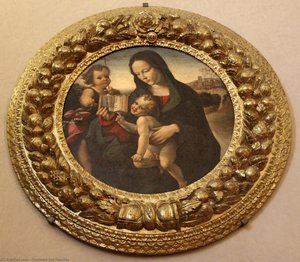
Adding another layer of beauty is the Lower Oratory, housing a collection of 16th-century terracotta sculptures depicting Saint Bernardino and Saint Catherine of Siena—figures revered for their piety and devotion. Andrea del Brescianino’s “Madonna and Child with Saints Ansanus and Bartholomew” stands as a testament to sculptural excellence, capturing the serene dignity of Mary and Jesus amidst symbolic representations of saints. These sculptures complement the frescoes above, creating a holistic experience that embodies the spiritual essence of Siena's artistic legacy. The Diocesan Museum adjacent to the Oratory provides invaluable context for understanding Sienese painting and sculpture. Examining artifacts from across centuries illuminates the broader cultural landscape in which these artworks emerged, fostering a deeper appreciation for their significance.

Quiz d'art

Chaque question ne comporte qu'une seule réponse correcte.

Question 1:
Quel est le domaine artistique majeur auquel l'Oratoire de San Bernardino est principalement associé ?
Question 2:
Qui est considéré comme le chef d'œuvre artistique emblématique de cette période ?
Question 3:
Les sculptures du bas-oratarium représentent :
Question 4:
Quel artiste est reconnu pour ses œuvres telles que « Le mariage de la Vierge », « La gloire de la Vierge » et « La Vierge dans la gloire avec les saints » ?

Liste des œuvres d'art

Aucune œuvre d'art trouvée.

© 2026 mus3ums.com