Une symphonie baroque de pierre et de stuc
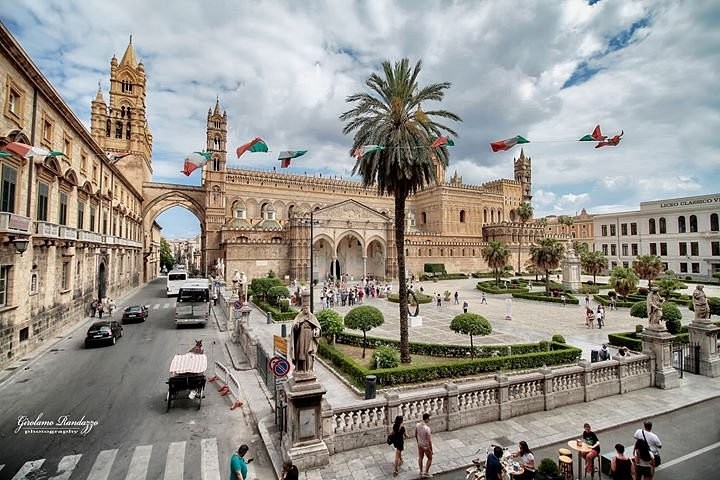
Au cœur vibrant et baigné de soleil de Palerme, là où les échos antiques du Cassaro rencontrent la gravité spirituelle de la Cathédrale, se niche un chef-d'œuvre caché de la grandeur sicilienne : le Palazzo Asmundo . Cette résidence aristocratique de la fin de l'époque baroque est bien plus qu'une simple relique architecturale ; c'est une chronique vivante de noblesse, de résilience et de triomphe artistique. Conçu à l'origine en 1615 pour le Docteur Baliana, le palais a connu une évolution transformative s'étendant sur plus d'un siècle, pour atteindre enfin sa magnifique complétude en 1767 sous le patronage visionnaire de Giuseppe Asmundo. Franchir son seuil, c'est laisser derrière soi l'agitation moderne de la via Vittorio Emanuele pour entrer dans un royaume où l'opulence de l'aristocratie sicilienne demeure préservée dans chaque détail doré et chaque relief sculpté.
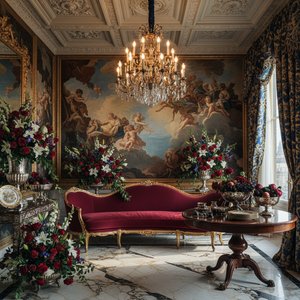
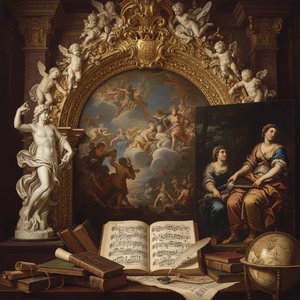
L'architecture du palazzo sert de scène dramatique au jeu d'ombres et de lumières, marque de fabrique de l'esprit baroque. Sa façade, située avec une présence frappante près de la Piazza Pretoria, présente une juxtaposition époustouflante de solennité religieuse et d'ambition architecturale. À l'intérieur, l'atmosphère passe du monumental à l'intime, alors que les visiteurs sont enveloppés par un intérieur qui respire l'art de l'époque. Les murs sont ornés d'un travail de stuc exquis, exécuté par les talentueux disciples de Giacomo Serpotta . Ces reliefs complexes, dépeignant des scènes mythologiques et des figures allégoriques, possèdent une qualité délicate et éthérée qui transforme la pierre solide en quelque chose de presque fluide et vivant, reflétant la ferveur intellectuelle et les idéaux humanistes de la Sicile du XVIIIe siècle.
L'héritage lumineux de Martorana
Si les stucs apportent une profondeur tactile aux pièces, ce sont les fresques des plafonds qui commandent véritablement l'âme. L'intérieur du palais est magnifié par la main magistrale de Gioacchino Martorana , un peintre dont l'œuvre a consolidé la réputation de Palerme en tant que centre d'excellence baroque. Ses toiles, tissées dans la trame même de l'architecture, dépeignent des récits bibliques avec une palette lumineuse et des compositions dramatiques qui capturent l'essence de la lumière divine. Pour l'amateur d'art, ces fresques offrent un engagement profond avec l'iconographie religieuse ; pour le concepteur d'intérieur, elles représentent le sommet de la narration décorative, où chaque coup de pinceau contribue à un environnement de splendeur cohérent et immersif.
Au-delà de la grandeur de ses murs, le Palazzo Asmundo abrite une collection éclectique et profondément personnelle amassée par la famille Martorana. Ce trésor offre une fenêtre sur les goûts raffinés de l'élite sicilienne, mêlant le grand art aux artefacts historiques. Les visiteurs peuvent errer dans un monde organisé de céramiques siciliennes — des pièces qui présentent des motifs régionaux remontant à des millénages — et admirer de délicats spécimens de porcelaine qui reflètent les influences européennes plus larges de l'époque. La collection est enrichie par une fascinante exposition numismatique, où des pièces portant les portraits de monarques oubliés offrent un lien tangible avec les marées économiques et politiques qui ont façonné l'histoire de l'île.
Un sanctuaire d'histoire et de mémoire
Ce qui distingue véritablement le Palazzo Asmundo des nombreux musées d'Italie, c'est son récit poignant et stratifié. Le palais n'a pas été un simple témoin de l'histoire ; il en a été un acteur. Un chapitre notable de son héritage inclut son rôle de logement royal durant l'ère napoléonienne, abritant spécifiquement la fille du roi Ferdinand Ier des Deux-Siciles après leur exil de Naples en 1806. Cette infusion de drame politique dans l'espace domestique confère au palazzo un sentiment presque palpable de mélancolie et d'importance, faisant de chaque corridor une véritable traversée du temps.
Aujourd'hui, en tant que musée privé et espace d'exposition, le palais continue de servir d'artère culturelle vitale pour Palerme. Il demeure une destination où les passionnés d'histoire peuvent retracer le développement urbain à travers d'anciennes cartes et cartes postales, et où les collectionneurs peuvent trouver l'inspiration dans la beauté durable de l'artisanat méditerranéen. Que l'on soit attiré par la majesté architecturale, la profondeur spirituelle des fresques ou les secrets murmurés de son passé royal, le Palazzo Asmundo s'érige comme un témoignage inégalé de l'âme éternelle de la Sicile.