A Voyage Through Faith and Art: The Basilica of Santa María de los Sagrados Corporales
The Basilica of Santa María de los Sagrados Corporales in Daroca stands as a testament to Spain’s artistic heritage—a singular monument where Romanesque grandeur intertwines with Renaissance elegance and Gothic luminescence. More than simply a religious edifice, it's a repository of history, legend, and profound spiritual significance, attracting pilgrims from across the globe who seek solace and inspiration within its walls. Its enduring appeal lies not only in its architectural beauty but also in the captivating narrative woven into its stones—a story that unfolds through meticulous observation and scholarly understanding.
Historical Roots: The Miracle and Daroca’s Medieval Identity
The basilica's history begins long before its current form, rooted in a Romanesque cathedral erected in the twelfth century. However, its fame rests upon an event of unparalleled sanctity – the Eucharistic Miracle of the Sacred Corporals. According to tradition, during Mass in 1239, six consecrated hosts miraculously appeared beneath sacred cloths—a phenomenon that captivated medieval piety and cemented Daroca’s place as a pilgrimage destination. Examining the chronicles surrounding this miracle illuminates not only religious fervor but also the socio-political landscape of Daroca at the time, revealing its role as a center of ecclesiastical power and cultural dynamism. The Puerta del Perdón (Door of Forgiveness), erected in the fifteenth century, serves as a poignant reminder of humanity’s yearning for divine grace—a symbolic gesture that continues to resonate with visitors today.
Architectural Marvel: A Fusion of Styles
The basilica's architectural design embodies a masterful synthesis of Romanesque and Renaissance influences. Its sturdy foundations—characterized by massive arches and thick walls—speak to the resilience of Romanesque craftsmanship, reflecting the enduring strength of faith and tradition. Yet, these monumental structures are graced with delicate ornamentation and refined sculptural details characteristic of the Renaissance, demonstrating how artistic sensibilities evolved over time. The soaring nave, adorned with stained glass windows that bathe the interior in ethereal light, exemplifies Gothic artistry—a testament to human ingenuity and devotion. Skilled craftsmen employed techniques honed over generations to achieve unparalleled luminosity and beauty, creating an atmosphere conducive to contemplation and prayer.
Collection Highlights: Artistic Treasures Preserved
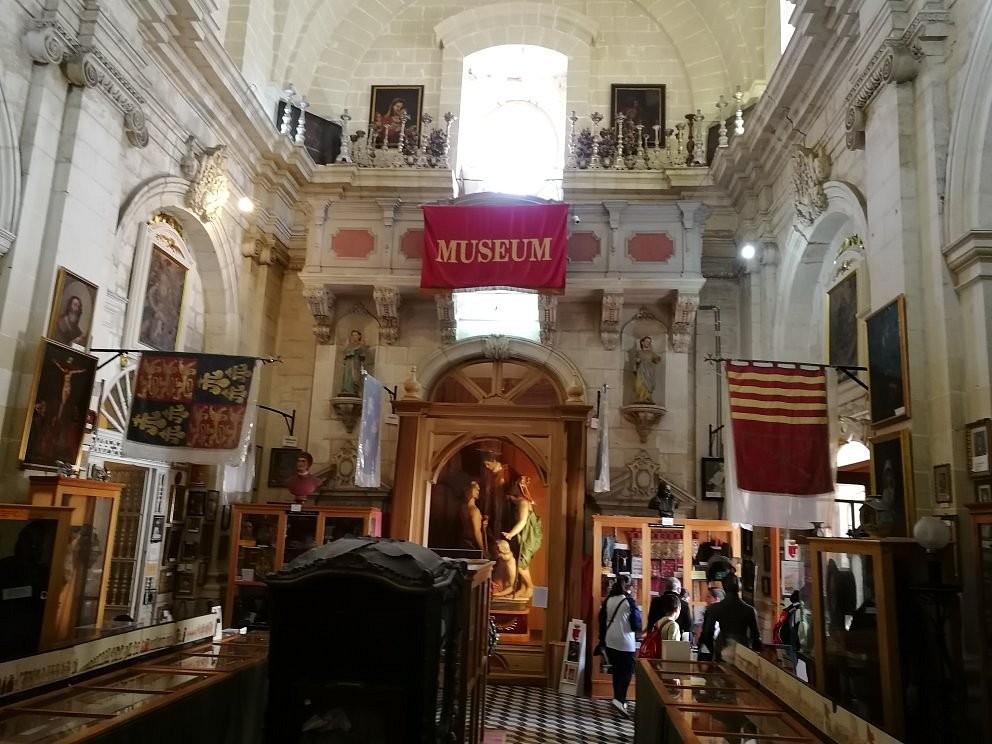
Though not a conventional museum displaying curated exhibitions, the Basilica houses a remarkable collection of liturgical art—primarily frescoes depicting biblical scenes and saints—that offer invaluable insights into medieval iconography. These artworks are meticulously cared for by specialists who strive to safeguard Spain’s artistic heritage for future generations. The basilica's treasures include elaborate altarpieces crafted during the Renaissance period, showcasing intricate carvings and vibrant pigments—a testament to the artistic prowess of European masters. Furthermore, the Basilica’s collection is enriched by relics associated with Saint Raymond Nonnatus, a revered figure in Daroca’s religious landscape.
Daroca Today: A Pilgrimage Destination
Today, Daroca welcomes visitors eager to immerse themselves in its rich cultural heritage—a journey that begins at the Basilica itself. Its central plaza hosts vibrant festivals and celebrations honoring Saint Raymond Nonnatus, reaffirming Daroca's enduring connection to its spiritual roots. The Basilica’s architectural grandeur continues to inspire awe and admiration, attracting tourists from across Spain and beyond who seek to experience the beauty of Christian art and tradition. Visiting Santa María de los Sagrados Corporales is more than just sightseeing; it’s an encounter with history—a chance to contemplate artistic mastery alongside profound religious contemplation.
Concluding Remarks: An Artistic Legacy
The Basilica of Santa María de los Sagrados Corporales stands as a beacon of Spain's artistic legacy—a monument that transcends temporal boundaries and invites reflection on the enduring power of faith and beauty. Its architectural splendor, coupled with its captivating history and remarkable collection of liturgical art, ensures its place among Europe’s most treasured cultural landmarks.