

A Crossroads of Cultures: Exploring the Khanenko Museum’s Enduring Legacy
Nestled within the heart of Kyiv, Ukraine, the Museum of Western and Oriental Art – often affectionately known as the Khanenko Museum – stands as a testament to a singular vision and an extraordinary collection. More than simply a repository of artworks, it's a vibrant intersection where European masterpieces converse with Asian treasures, offering visitors a profoundly enriching journey through centuries of artistic expression. Founded in 1919 by the discerning collectors Bohdan and Varvara Khanenko, the museum’s origins are deeply intertwined with their passionate pursuit of beauty and knowledge, transforming a private dream into one of Ukraine's most treasured cultural landmarks.
The story begins with Bogdan Khanenko, a man captivated by art during his time in Saint Petersburg. His wife, Varvara Tereshchenko, shared his enthusiasm, particularly for Italian painting, Ukrainian icons, and the intricate artistry of folk crafts. Together, they embarked on a decades-long quest to assemble a collection that transcended geographical boundaries – a remarkable assemblage encompassing Renaissance masterpieces from Italy and Spain, Baroque paintings from Flanders, exquisite Chinese porcelain, ancient Egyptian artifacts, and even rare examples of Japanese lacquerware. This wasn’t merely the accumulation of objects; it was a deliberate effort to understand the diverse ways in which humanity had sought to capture beauty, spirituality, and the essence of life through artistic creation.
A Building That Echoes History
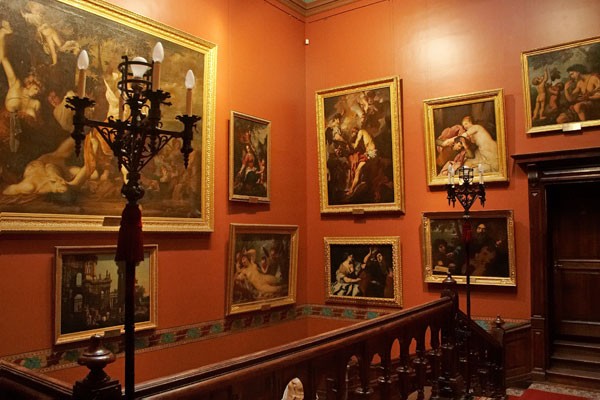
The museum's physical setting is as captivating as its collection. Originally conceived as the Kyiv City Museum in 1898 by architects Władysław Horodecki (based on a design by Petro Boitsov), the building’s neoclassical façade, adorned with striking gryphons and lions sculpted by Italian artist Emilio Sala, immediately evokes a sense of grandeur and historical significance. However, it's the two distinct buildings that house the museum’s permanent exhibitions that truly set it apart. The Khanenkos’ mansion, a stunning example of “historicism,” seamlessly blends Gothic, Renaissance, Baroque, and Rococo elements – a deliberate reflection of the eclectic tastes of its founders. This architectural marvel, with its richly decorated interiors and expansive halls, provides an immersive experience for visitors, transporting them back to the late 19th century.
Adjacent to the mansion stands another building, originally belonging to the Sakhnovskis – close relatives of the Khanenkos – which now houses the museum’s permanent collection of Asian art. This juxtaposition is a key element of the museum's unique appeal, allowing visitors to trace artistic influences and thematic connections across continents and cultures. The deliberate placement highlights the interconnectedness of human creativity throughout history.
A Tapestry of Artistic Treasures
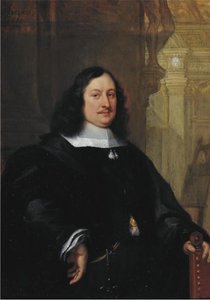
The Khanenko Museum’s collection is remarkably diverse, encompassing a vast array of artistic styles and periods. Within its walls, one can encounter the dramatic brushstrokes of Peter Paul Rubens, the serene beauty of Gentile Bellini, the intense realism of Juan de Zurbarán, and the elegant portraits of Jacques-Louis David and François Boucher – all representing the pinnacle of European art. But the museum’s scope extends far beyond Western Europe. The Asian collection is equally impressive, featuring intricate ceramics from China and Japan, stunning Tibetan textiles adorned with vibrant colors and symbolic motifs, and exquisite bronzes reflecting centuries of artistic tradition.
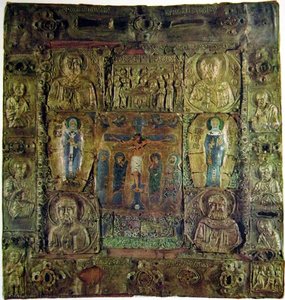
Notable highlights include a remarkable group of “Sinai” icons – four early Byzantine icons dating back to the 6th and 7th centuries – which are considered among the most important examples of their kind in the world. These ancient relics offer a profound glimpse into the spiritual and artistic practices of early Christianity, while other treasures such as a stunning collection of European sculpture and decorative arts, alongside rare pieces of Iranian, Tibetan, Chinese and Japanese fine and decorative art, further enrich the museum’s narrative.
A Bridge Between Worlds
What truly distinguishes the Khanenko Museum is its ability to foster dialogue between seemingly disparate artistic traditions. The deliberate arrangement of Western European and Asian artworks creates a space for contemplation and discovery, encouraging visitors to consider how different cultures have responded to universal themes – love, loss, spirituality, beauty – through their own unique artistic languages. The museum’s commitment to preserving this rich tapestry of human creativity makes it an essential destination for art enthusiasts, historians, and anyone seeking to broaden their understanding of the world.