


Introduction
Walking into the Museum of Modern Art (MoMA) in Midtown Manhattan is more than just entering a gallery; it is stepping into the very heartbeat of human innovation. Since its founding in 1929, MoMA has served as a sanctuary for the radical and the revolutionary, a place where the boundaries of what we call "art" are constantly being redrawn. It is a space that doesn't just display objects, but captures the electric energy of a century defined by change, tension, and breathtaking creativity.
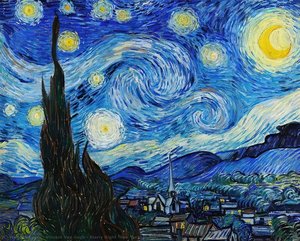
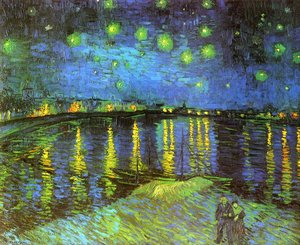
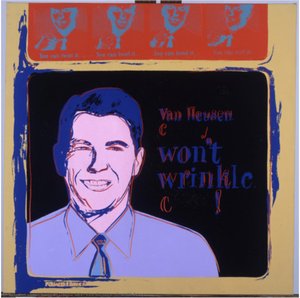
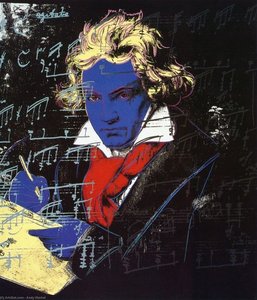
As you wander through its halls, you aren't just looking at paint on canvas; you are witnessing the moments when the world shifted. You feel the turbulent, swirling emotions in Van Gogh’s skies, the jarring, fragmented perspectives of Picasso that shattered our traditional view of reality, and the playful, bold pop-culture echoes of Warhol that turned everyday objects into icons. These works remain profoundly meaningful today because they speak to the universal human experience—our struggles, our celebrations, and our endless curiosity about the world around us.
Whether you are a seasoned collector or someone looking to find a piece of inspiration for your first home, MoMA offers a roadmap of modern identity. In this guide, we invite you to embark on a curated journey through twenty-five of the museum's most transformative masterpieces. Each selection in this list represents a milestone in artistic history, offering a glimpse into the souls of the visionaries who dared to see the world differently.
Three Musicians - Pablo Picasso
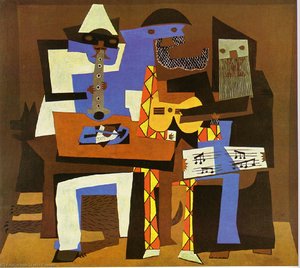 Three Musicians - Pablo Picasso
In Three Musicians , Pablo Picasso doesn't just paint figures; he composes a visual melody using the language of Synthetic Cubism. As you stand before this 1921 masterpiece at MoMA, notice how the light doesn't fall upon the scene—it is built into the very geometry of the characters. The artist uses flat, interlocking planes of ochre, deep blue, and crisp white to create a rhythmic, jigsaw-like arrangement of Pierrot, Harlequin, and a hooded monk.
There is a profound, quiet magic in how Picasso rejects traditional depth, opting instead for a flattened perspective that feels like a beautifully arranged stage set. The sharp, angular lines and the vibrant, diamond-patterned textures invite you to look closer, discovering the essence of music through abstract form rather than literal detail. It is a dance of shapes where every color block acts as a musical note. Bringing a piece with this much structural soul into your space turns a simple wall into a portal of rhythmic inspiration and modern elegance.
The Young Ladies of Avignon - Pablo Picasso
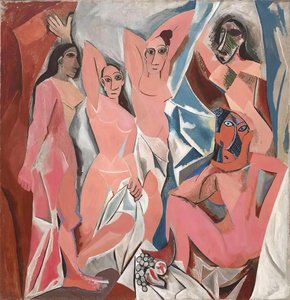 The Young Ladies of Avignon - Pablo Picasso
Few works in the history of art possess the sheer, seismic power of The Young Ladies of Avignon by Pablo Picasso. As a cornerstone of the top 25 artworks in MoMA, this 1907 masterpiece acts as the definitive detonation point for Cubism, shattering centuries of traditional perspective to introduce a fractured, multi-dimensional reality. Picasso deconstructs the human form into sharp, angular planes and geometric shapes, drawing profound inspiration from the raw, emotive energy of African tribal masks.
The painting’s muted palette of pinks, greys, and ochres creates an unsettling yet captivating atmosphere, where the figures' confrontational gazes demand a direct, visceral engagement from the viewer. It is a work that challenges our very perception of beauty and truth, moving away from idealized grace toward a more primal, honest expression. For the modern collector, the essence of this piece offers a bold, intellectual edge; its fragmented geometry and revolutionary spirit make it an inspiring focal point for any curated space, sparking a timeless conversation between historical radicalism and contemporary interior design.
Sleeping Gypsy - Henri Julien Félix Rousseau (Le Douanier)
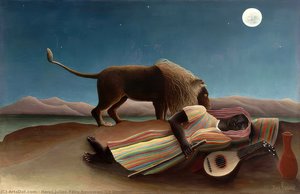 Sleeping Gypsy - henri julien félix rousseau (le douanier)
Under the ethereal glow of a crescent moon, a profound stillness settles over Sleeping Gypsy by Henri Rousseau. This 1897 masterpiece captures a dreamscape where vulnerability meets untamed power, featuring a traveler resting serenely while a majestic lion looms nearby. As one of the most captivating works in MoMA's collection, it earns its place among the top 25 artworks in New York City for its radical departure from academic tradition. Rousseau, a self-taught visionary, utilized a charmingly "naive" style—characterized by flattened perspectives and bold, simplified forms—that would later mesmerize legends like Picasso.
The painting’s deep blues and mysterious shadows create an atmosphere of quiet enchantment, making it much more than a mere historical artifact; it is a mood in itself. At Mus3ums, we believe such transformative beauty should not be confined to museum walls. Whether you are looking to introduce a sense of mystery to a modern study or a touch of whimsical storytelling to a living room, our high-fidelity, hand-painted oil reproductions allow you to bring the haunting, soulful presence of Rousseau’s dreamworld into your own personal gallery.
The Menaced Assassin - René Magritte
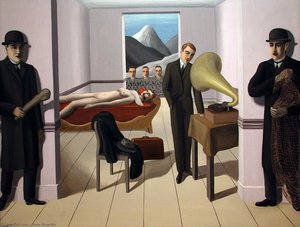 The Menaced Assassin - René Magritte
Step into a dreamscape where the familiar becomes profoundly unsettling. In The Menaced Assassin by René Magritte, the boundaries of reality dissolve into a meticulously rendered stage of psychological tension. As one of the most captivating entries in the top 25 artworks in 'MOMA - Museum of Modern Art, New York City', this 1927 masterpiece exemplifies the Surrealist mission to unlock the subconscious. The scene unfolds in a muted, peach-toned room, where a reclining nude figure rests upon a vibrant red chaise lounge, seemingly oblivious to the looming presence of a monumental golden gramophone horn.
Magritte’s technique is breathtakingly precise; his smooth, academic brushwork lends a photographic clarity to an illogical world. The presence of stern men in bowler hats and shadowy faces peering from the darkness creates a palpable sense of surveillance and quiet dread. Through this interplay of soft light and jarring symbolism, Magritte invites us to question what is truly hidden behind the surface of everyday life. It remains a powerful testament to how art can transform a modern space into a portal for deep, emotive contemplation.
Joan Miró- Catalan Landscape (The Hunter) - Joan Miró
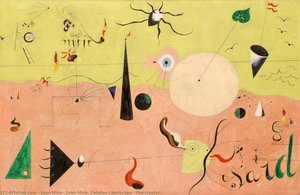 Joan Miró- Catalan Landscape (The Hunter) - Joan Miró
In Joan Miró’s Catalan Landscape (The Hunter) , a warm, sun-drenched ochre anchors the composition, casting a nostalgic and tranquil glow that feels like a summer afternoon in Spain. This mastery of color—layering earthy terracottas and olive greens with sudden, playful bursts of primary red and blue—is precisely why this piece remains a cornerstone of the top 25 artworks in MoMA - Museum of Modern Art, New York City . Miró doesn't just paint a landscape; he paints an emotional state, using a vibrant, biomorphic palette to bridge the gap between reality and the subconscious.
For those looking to curate a meaningful home, this painting offers incredible versatility. The organic shapes and warm tones are perfect for injecting a sense of dreamy whimsy into a modern living room or adding a sophisticated, rhythmic energy to a dining space. By pairing a high-quality reproduction of this work with neutral furnishings, you can create an atmosphere of discovery and intellectual depth, letting the surrealist symbols serve as a captivating conversation piece that brings the spirit of modern innovation into your daily life.
Still Life with Old Shoe - Joan Miró
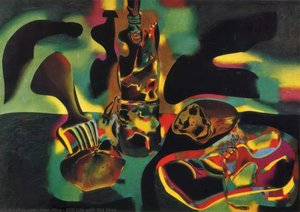 Still Life with Old Shoe - Joan Miró
In Still Life with Old Shoe , the lines aren’t merely drawn; they are choreographed across a canvas that feels like a dance frozen in time. Created in 1937 amidst the profound shadows of the Spanish Civil War, Joan Miró’s masterpiece transcends a simple arrangement of bottles and fruit to reveal a world fractured by anxiety. The composition is a rhythmic, asymmetrical movement where biomorphic shapes float within an atmospheric field of color, defying traditional perspective.
Miró utilizes bold, visible brushstrokes and a saturated palette to transform everyday objects—most notably a worn, weathered shoe—into symbols of weariness and loss. There is a captivating tension here; the heavy texture of the oil paint creates a tactile depth that makes the chaos feel like harmony. As one of the most evocative works in the MoMA - Museum of Modern Art, New York City collection, it invites you to contemplate how even the most fragmented moments can possess a haunting beauty. What if your own walls could breathe this same rhythmic energy, capturing a sense of profound, soulful balance?
Dutch Interior I - Joan Miró
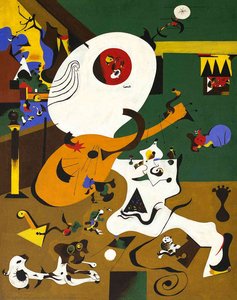 Dutch Interior I - Joan Miró
Imagine stepping into a dream where the boundaries between reality and fantasy dissolve into a playful, rhythmic dance. In Dutch Interior I , Joan Miró invites us into a world of whimsical chaos, where the air feels charged with the energy of a sudden, joyful realization. Painted in 1928, this masterpiece captures a pivotal moment in the Surrealist movement, moving away from rigid representation toward a language of pure, symbolic emotion.
The canvas is a vibrant tapestry of geometric shapes and organic forms; bold primary colors dance alongside earthy tones, centered around a striking, stylized figure that anchors the composition. It belongs among the top 25 artworks in MoMA because it defies logic to touch something deeper—the primal joy of movement and discovery. As you gaze upon its fragmented perspectives and musical motifs, you feel a sense of liberation. Bringing such a spirited energy into your own home can transform a modern living space, turning a simple wall into a window of infinite imagination and soulful vitality.
Portrait of the Postman Joseph Roulin - Vincent Willem Van Gogh
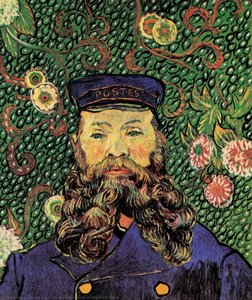 Portrait of the Postman Joseph Roulin - vincent willem van gogh
In the heart of MoMA’s collection, Portrait of the Postman Joseph Roulin by Vincent van Gogh stands as a breathtaking masterclass in emotional connection and vibrant energy. This piece is much more than a simple likeness; it is a soulful tribute to a dear friend, capturing the profound bond between two men during Van Gogh's intense period of creativity in Saint-Rémy. The painting radiates with Post-Impressionist brilliance, utilizing thick, impasto brushstrokes and a kaleidoscope of colors that seem to pulse against the canvas.
The subject’s serene, contemplative expression provides a beautiful anchor amidst a swirling, almost psychedelic backdrop of floral patterns and vivid greens and yellows. For those looking to bring a sense of movement and historical depth into a modern home, this artwork offers an incredible way to introduce texture and warmth. Its bold, decorative language resonates perfectly with contemporary interior design, where a single, powerful statement piece can transform a room's mood from static to spirited. It remains a cornerstone of the top 25 artworks at MoMA, embodying the very essence of human resilience and artistic passion.
The false mirror - René Magritte
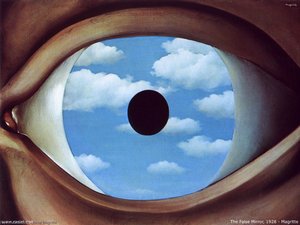 The false mirror - René Magritte
In the quiet gaze of The False Mirror by René Magritte, reality dissolves into a dream, leaving us suspended between what is seen and what is imagined. As one of the most iconic pieces within the top 25 artworks in MoMA - Museum of Modern Art, New York City, this 1928 masterpiece remains immortalized for its profound ability to challenge our very perception of existence. Magritte employs a breathtakingly meticulous technique, where the hyper-realistic textures of skin and delicate eyelashes meet an impossible, luminous expanse of blue sky and fluffy white clouds nestled within the iris.
The visual impact is nothing short of hypnotic; the stark contrast between the dark, mysterious surroundings and the bright, airy landscape inside the eye creates a window to the unconscious. For the modern collector, this painting offers more than just a conversation piece; its sophisticated palette of deep blues and earthy tones brings a sense of intellectual depth and quiet contemplation to any contemporary space. It is a masterful reminder that beauty often lies in the unexpected, inviting a sense of wonder into the heart of the home.
Multiplicatiion of the Arcs - Yves Tanguy
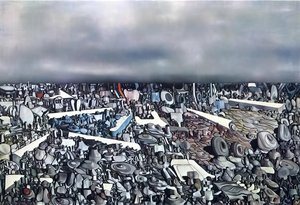 Multiplicatiion of the Arcs - Yves Tanguy
Step into a dreamscape of metallic shadows with Multiplication of the Arcs by Yves Tanguy. As you wander through the MoMA galleries, this 1954 masterpiece arrests your attention with its haunting, industrial atmosphere. The canvas unfolds like a fever dream of post-war anxiety, where fragmented gears, pipes, and mechanical debris cluster under a heavy, stormy sky. Tanguy’s surrealist precision transforms cold, discarded machinery into a rhythmic, almost organic landscape of grey, muted blue, and stark white.
There is a profound, melancholic beauty in this depiction of decay; the sharp, angular lines and textured layers of oil paint create a sense of depth that pulls you into its claustrophobic, abstract cityscape. For those looking to bring a touch of intellectual intrigue to a modern home, this piece serves as a powerful conversation starter. Its cool palette and complex textures offer a sophisticated anchor for a minimalist room, inviting moments of deep reflection and creative contemplation amidst the chaos of contemporary life.
Chateau Noir - Paul Cézanne
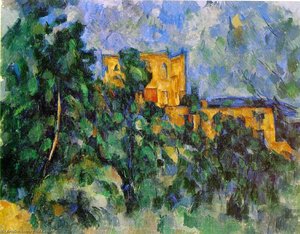 Chateau Noir - Paul Cézanne
Step into the sun-drenched hills of Provence with Chateau Noir , a masterpiece by Paul Cézanne that feels like a warm, whispered secret from 1904. As you wander through the MoMA collection, this landscape captures a moment of profound harmony, where rustic architecture and lush, vibrant greenery exist in a perfect, rhythmic dance. The painting breathes with life; thick, textured brushstrokes build layers of deep forest greens and warm ochres, creating a tactile surface that invites you to reach out and feel the movement of the wind through the foliage.
Cézanne’s revolutionary approach—using color and form to suggest depth rather than traditional perspective—serves as a beautiful bridge between Impressionism and Cubism. The interplay of light and shadow creates an atmosphere of serene stability, making it much more than just a view of a hillside settlement. For the modern home, bringing a piece with this much soul into your space can transform a room into a sanctuary of calm and creativity, offering a timeless window into the enduring beauty of the natural world.
Hope II - Gustav Klimt
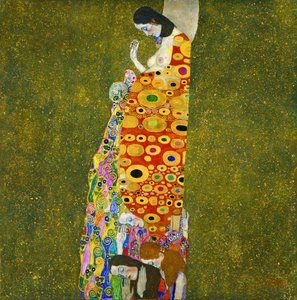 Hope II - Gustav Klimt
To stand before Hope II by Gustav Klimt is to lose oneself in a shimmering sea of texture and light. The surface of this 1908 masterpiece vibrates with a meticulous layering of oil paints, where jewel-like reds, deep purples, and vibrant blues emerge from a speckled, golden-green field. Every brushstroke contributes to an organic, swirling movement, creating a tactile landscape of circular motifs and flowing lines that define the height of the Art Nouveau movement. The way the light catches the intricate, ornamental patterns evokes a sense of spiritual transcendence and profound intimacy.
This extraordinary depth—the interplay between the flattened, decorative perspective and the luminous, three-dimensional quality of the paint—is exactly what makes it one of the top 25 artworks in MoMA . At Mus3ums.com, we believe this sensory magic should not be confined to museum walls. Our hand-painted oil reproductions are crafted to preserve that very essence, capturing the visible brushstrokes and rich, impasto textures that a mere print cannot replicate. We bring the soul of Klimt’s golden phase into your home, allowing you to experience the tactile prestige and emotional warmth of this iconic work every single day.
Dog - Francis Bacon
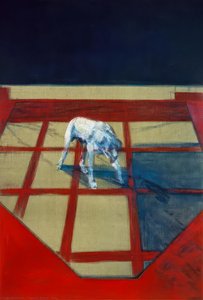 Dog - Francis Bacon
There’s a gaze in Dog by Francis Bacon that follows you—not with judgment, but with understanding . This isn’t merely a portrait of an animal; it is a mirror reflecting the raw, visceral depths of the human condition. As one of the most profound pieces among the top 25 artworks in MoMA - Museum of Modern Art, New York City, this 1952 masterpiece captures a sense of profound vulnerability and existential solitude.
The composition is a striking dance of tension: a white, contemplative figure set against a rigid, geometric grid of textured red lines. Bacon uses an intense impasto technique, where energetic brushstrokes and thick layers of paint create a tactile landscape of emotion. The palette—a moody interplay of deep blues, blacks, and startling reds—evokes a feeling of beautiful unease. Now, imagine that gaze in your space. Not watching you, but reminding you : you are seen. You are part of the story, finding strength within the shadows of introspection.
painting, 1946 - Francis Bacon
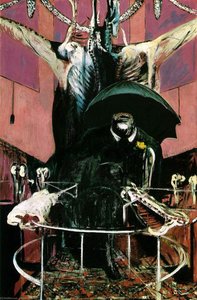 painting, 1946 - Francis Bacon
Stepping into the presence of painting, 1946 by Francis Bacon is an encounter with the raw, unvarnished soul of post-war anxiety. As one of the most profound entries in our exploration of the top 25 artworks in MoMA - Museum of Modern Art, New York City, this piece captures a world caught between classical reverence and modern fragmentation. The canvas vibrates with a visceral energy, where thick, impasto brushstrokes and a dramatic palette of deep reds, bruised purples, and stark blacks create an atmosphere of haunting intensity.
Bacon masterfully weaves surreal elements—a man sheltered by an umbrella amidst a chaotic assembly of fantastical creatures—to evoke themes of isolation and existential tension. For the modern decorator, this work offers a powerful lesson in using high-contrast drama to anchor a space. Much like the bold, moody accents found in contemporary avant-garde interiors, Bacon’s use of chiaroscuro and distorted forms provides a sophisticated, conversation-starting edge. It is not merely a painting; it is a window into the resilience of the human spirit amidst chaos, making it an essential pillar of modern art history.
Slowly Toward The North - Yves Tanguy
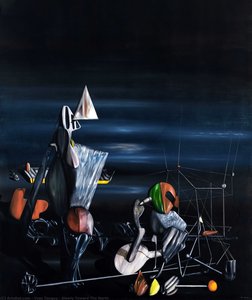 Slowly Toward The North - Yves Tanguy
Step into a dreamscape where the boundaries of reality dissolve. In Slowly Toward The North , Yves Tanguy invites us into a hauntingly beautiful world of Surrealism, where biomorphic shapes and mysterious, mechanical structures drift through a vast, undefined void. The palette is a masterclass in atmosphere; deep, moody blues and somber blacks are punctuated by subtle, unexpected glimmers of light, creating a sense of profound solitude and cosmic exploration.
The texture of the work—achieved through meticulous layers of oil—offers a tactile depth that pulls the viewer into its fragmented perspective. As you gaze upon these floating, geometric forms, you feel the tension between organic life and technological evolution. For the modern collector, bringing a piece with such emotional gravity into a home can transform a room into a sanctuary for contemplation. Whether placed in a quiet study or a contemporary living space, Tanguy’s vision serves as a window to the subconscious, inspiring a sense of wonder and a deeper connection to the mysteries of the unknown.
L'Atelier rouge Huile sur Toile - (181x219) - Henri Matisse
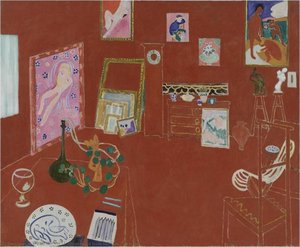 L'Atelier rouge Huile sur Toile - (181x219) - Henri Matisse
Step into a world where color breathes and the walls themselves pulse with creative vitality in L'Atelier rouge by Henri Matisse. This masterpiece earns its place among the top 25 artworks in MoMA - Museum of Modern Art, New York City, because it captures the very heartbeat of the Fauvist movement—a moment where tradition was set ablaze by pure, uninhibited emotion. The canvas is a mesmerizing dance of warm, reddish-brown hues and rhythmic, geometric shapes that transform a cluttered studio into a harmonious sanctuary of thought.
As you gaze upon the flattened perspective and bold, gestural lines, you can almost feel the energy of the artist’s workspace. The interplay of deep ochre, soft blues, and sudden pops of light creates a sensory experience that is both stimulating and deeply comforting. For the modern decorator, this piece offers unparalleled inspiration; its sophisticated palette and structured yet spontaneous composition bring a sense of curated history and avant-garde elegance to any contemporary living space, turning a simple room into a gallery of soulful discovery.
The city rises - Umberto Boccioni
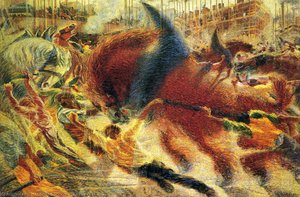 The city rises - Umberto Boccioni
Step into the electric pulse of 1910 with Umberto Boccioni’s The City Rises , a masterpiece that doesn't just depict movement—it breathes it. As you stand before this cornerstone of the Italian Futurist movement, you don't merely see a construction scene; you feel the raw, rhythmic heartbeat of a world transforming. Boccioni didn't just apply paint; he composed energy. Through thick, textured impasto and a vibrant, swirling palette, he captures the frantic vitality of horses and laborers merging into the very fabric of an expanding urban landscape.
The light in this work is a language of motion, using deconstructed forms to pull you into the chaos and optimism of industrial progress. It is a celebration of human effort and the unstoppable momentum of modernity. For those looking to bring a sense of dynamic life into their own interiors, this painting acts as a portal of inspiration. Its bold, expressive brushstrokes offer a profound emotional connection to an era of pure invention, making it a truly commanding presence for any modern collection.
White Light - Paul Jackson Pollock
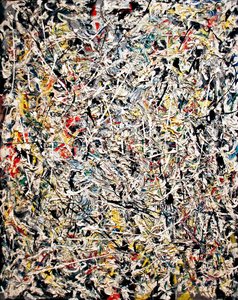 White Light - Paul Jackson Pollock
What if I told you that White Light by Jackson Pollock was born from a moment of pure rebellion—a rhythmic, defiant stroke against the constraints of traditional form? This masterpiece is not merely a painting; it is a visceral manifesto of energy. As one of the top 25 artworks in MoMA, New York City, it captures the very soul of Abstract Expressionism through its legendary drip technique, where layers of white, black, and primary hues collide in a dance of spontaneous movement.
Every splatter and thick impasto layer tells a story of emotional intensity and physical action. Its place in the MoMA collection is demanded by history, yet its spirit remains incredibly modern. At Mus3ums.com, we believe this kind of transformative energy shouldn't be confined to museum walls. Imagine this captivating web of color as the centerpiece of your own sanctuary—turning a quiet corner of your home into a dynamic conversation piece. Whether you are drawn to its chaotic beauty or its textured depth, White Light reminds us that your space is not just a room; it is a profound statement of identity.
Reflections of Clouds on the Water-Lily Pond (tryptich, center panel) - Claude Monet
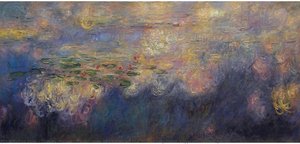 Reflections of Clouds on the Water-Lily Pond (tryptich, center panel) - Claude Monet
There is a profound, quiet magic in witnessing Reflections of Clouds on the Water-Lily Pond . As you gaze upon this central panel, the world seems to slow down; the rhythmic dance of lily pads and the gentle glide of ducks invite you into a state of pure, meditative serenity. Claude Monet didn't just paint a pond; he captured the very breath of nature, using luminous blues and verdant greens to translate the ephemeral shimmer of light onto canvas.
This masterpiece earns its place among the top 25 artworks in MoMA because it represents the pinnacle of Impressionist emotion. Even as Monet’s vision blurred in his later years, his ability to convey texture and atmosphere remained unparalleled. At Mus3ums.com, we believe this kind of soul-stirring beauty shouldn't be confined to a museum gallery. Our hand-painted oil reproductions are meticulously crafted to preserve those thick, visible brushstrokes and the radiant luminosity of Monet’s vision, allowing you to bring this tranquil, light-drenched sanctuary into your own home.
The Laugh - Umberto Boccioni
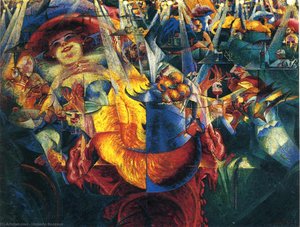 The Laugh - Umberto Boccioni
In The Laugh by Umberto Boccioni, the canvas vibrates with a palpable energy that transcends mere pigment. As you lean in, the eye is immediately caught by the masterful interplay of thick impasto and delicate glazes; Boccioni uses these layers to build a physical texture that mimics the very sensation of a joyful outburst. This isn't just a painting of a woman with a red umbrella; it is an architectural feat of Italian Futurism, where fractured geometric shapes and bold reds and yellows collide to simulate motion and modern life's frantic pulse.
This piece earns its place among the top 25 artworks in MoMA because it captures the precise moment when tradition shattered into dynamism. At Mus3ums.com, we believe this tactile soul should not be confined to museum walls. Our high-end handmade oil reproductions are meticulously crafted to preserve that same three-dimensional quality, ensuring the visible brushstrokes and emotional depth of Boccioni’s revolutionary technique bring a sense of living history and vibrant movement into your own home.
My Grandparents, My Parents, and I (Family Tree) - Frida Kahlo
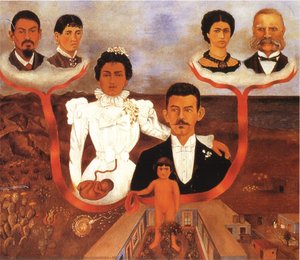 My Grandparents, My Parents, and I (Family Tree) - Frida Kahlo
To step before My Grandparents, My Parents, and I (Family Tree) by Frida Kahlo is to witness a soul mapping its own origins. In this 1936 masterpiece, Kahlo moves beyond simple portraiture to create a vibrant, surrealist genealogy that pulses with the heartbeat of her Mexican and German heritage. The painting unfolds like a dream; a central tree with deep red roots anchors the composition, its branches cradling the faces of her ancestors amidst a landscape of muted earth tones and soft, cloud-filled skies.
The texture of the tempera paint brings a primitive, folk-art intimacy to the work, where every symbolic element—from the delicate red ribbon of lineage to the small, naked child in the foreground—tells a story of continuity and identity. As one of the most profound pieces in the MoMA collection, it captures the tension between personal memory and historical roots. It is a breathtaking example of how art can transform a flat canvas into a living, breathing map of human connection, offering a sense of quiet prestige and emotional depth that continues to inspire modern collectors today.
New York Movie - Edward Hopper
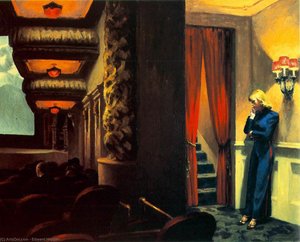 New York Movie - Edward Hopper
Step into the quiet, cinematic shadows of Edward Hopper’s 1939 masterpiece, New York Movie . As you stand before this iconic work in MoMA, you don't just see a scene; you feel the heavy, evocative stillness of a theater intermission. Hopper doesn't merely paint light—he composes it to create a language of solitude. The way the glow catches the woman’s face against that deep, dramatic red curtain creates a portal into a private moment of urban contemplation.
There is a profound, melancholic beauty in the way the scattered chairs and the ticking presence of the clocks suggest time standing still amidst the bustle of New York City. It is this mastery of light and shadow—the ability to turn a simple moment of isolation into a universal emotion—that secures its place among the top 25 artworks in MoMA. Whether you are drawn to the stark realism or the moody, noir-like atmosphere, this painting invites you to find beauty in the quietest corners of the human experience, making it a timeless inspiration for any modern collection.
States of Mind II - Those Who Stay - Umberto Boccioni
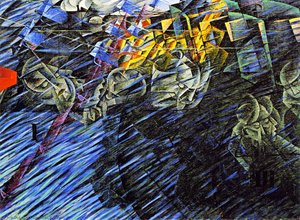 States of Mind II - Those Who Stay - Umberto Boccioni
In States of Mind II - Those Who Stay by Umberto Boccioni, the play of light is not merely an atmospheric detail; it is the very engine of emotion. Boccioni masterfully utilizes a fractured, shimmering chiaroscuro to dissolve the boundaries between the human figures and the industrial landscape. The way light pierces through the hazy, steam-filled atmosphere of the station creates a rhythmic pulse of brightness and shadow, capturing the psychological tension of those left behind in the wake of progress. This command of illumination—where light seems to vibrate with the energy of the machine age—is precisely what secured this work's prestigious place among the top 25 artworks in MoMA - Museum of Modern Art, New York City.
For the modern collector, bringing a high-quality reproduction of this masterpiece into your home offers more than just a nod to Italian Futurism. The sophisticated interplay of light and deep, textured shadows adds an incredible sense of movement and architectural depth to any contemporary wall. When rendered with visible, tactile brushstrokes, the painting’s luminous energy can transform a quiet corner into a dynamic focal point of luxury and historical intrigue.
Woman with cockerel - Pablo Picasso
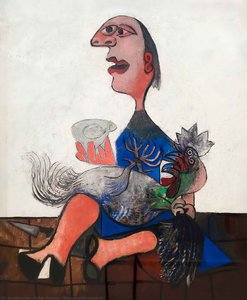 Woman with cockerel - Pablo Picasso
What story does the quiet tension between the subject and her companion tell in Woman with Cockerel ? Created in 1938, this captivating piece by Pablo Picasso emerges from a period of profound historical shadows, as the Spanish Civil War began to fracture the landscape of Europe. In this work, Picasso masterfully blends the fractured geometry of Cubism with the raw, direct charm of Naive Art, presenting a woman whose features are reimagined through bold shapes and striking contrasts—like her vibrant blue dress against a stark, minimalist background.
As you explore the top 25 artworks in 'MoMA - Museum of Modern Art, New York City,' this painting stands out for its emotional duality; it is both a simple portrait and a complex commentary on resilience. For those looking to bring a sense of historical depth and curated character into a modern home, the bold colors and rhythmic lines of this masterpiece offer a perfect 'escape.' It invites you to transform a room with a piece that feels less like decor and more like a window into a transformative era of human expression.
Pines and Rocks (Fontainebleau?) - Paul Cézanne
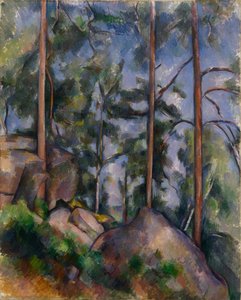 Pines and Rocks (Fontainebleau?) - Paul Cézanne
Step into a quiet, sun-dappled corner of the French forest through Paul Cézanne’s 1897 masterpiece, Pines and Rocks (Fontainebleau?) . This isn't just a landscape; it is a rhythmic, architectural dance of earth and light. As you stand before this work in MoMA, you can almost feel the rugged texture of the massive boulders and the cool, pine-scented air of the woods. Cézanne moves beyond the fleeting moments of Impressionism to sculpt the landscape using thick, deliberate brushstrokes that give the stones a palpable weight.
The palette is a soothing symphony of deep forest greens, earthy browns, and subtle violets that seem to vibrate with hidden energy. This structural approach to nature—where trees and rocks become geometric building blocks—laid the very foundation for Cubism. Bringing a piece with this much soul into your own home can transform a room; its grounded, organic presence offers a sense of enduring calm and creative reflection, making it a perfect anchor for a modern, meaningful interior.
Conclusion
As we draw the curtain on our journey through MoMA’s most iconic halls, it becomes clear that these masterpieces are far more than static relics of a bygone era; they are vibrant, breathing entities that continue to pulse with the energy of the modern world. To stand before a swirling sky by Van Gogh or the bold, rhythmic lines of a Picasso is to participate in an eternal dialogue—a conversation between the artist’s original spark and our own contemporary emotions. These works do not merely hang on museum walls; they reside within our collective consciousness, teaching us new ways to perceive light, shadow, and the very fabric of human experience.
In our own homes, the presence of such art transforms a mere room into a sanctuary of meaning. Whether it is the serene influence of an Impressionist landscape or the striking, architectural statement of a Cubist work, bringing these aesthetics into your personal space allows you to surround yourself with the same wonder that moves millions in New York City. Art has this beautiful, quiet power to anchor our interiors, providing a focal point for reflection and a window into the infinite creativity of the human spirit.
We invite you to continue this discovery and bring a piece of this legendary legacy into your everyday life by exploring our full collection . May these timeless images serve as a constant source of inspiration, reminding us that even in the midst of our busy lives, there is always room for beauty, mystery, and the profound magic of a well-placed masterpiece.


