

The Architecture and Grand Design
Audley End House was constructed in palatial proportions to accommodate the court during royal visits. The scale of the Jacobean house reflects its original intent to host the highest levels of English society. Much of the structure was demolished during the 18th century, a reduction that left the building at approximately one-third of its original size. The remaining interior was later remodelled in the Gothic style by the third Baron Braybrooke during the 19th century.
The estate's landscape features elegant gardens designed by Lancelot "Capability" Brown. Beyond the primary residence, the grounds include a Victoria-era stable yard and a service wing. This wing has been restored to recreate the specific sounds and smells associated with servant life in the 1880s.
Masterpieces of the Collection
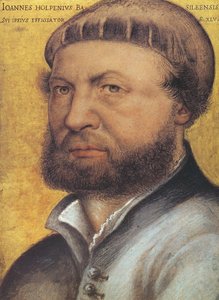
The interior rooms are decorated with oil paintings, woodcarvings, taxidermy, and furniture. These objects reflect the long history of the house and its various residents. Among the paintings is a Portrait of an Unknown Gentleman, dated about 1540 by Hans Holbein the Younger. This work is part of a selection of fine art held within the house.
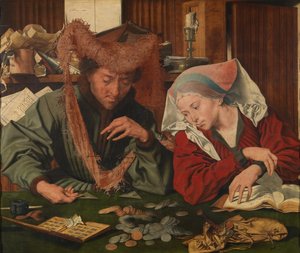
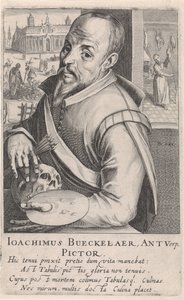
Other significant works include Marinus Van Reymerswaele's Two Excisemen, which dates to about 1550. Joachim Beuckelaer also contributed to the collection with The Vegetable Seller, painted about 1550. These pieces represent different aspects of sixteenth-century European art held in the estate's holdings.


