

A Tapestry of Flemish Masterpieces: The Royal Museum of Fine Arts Antwerp
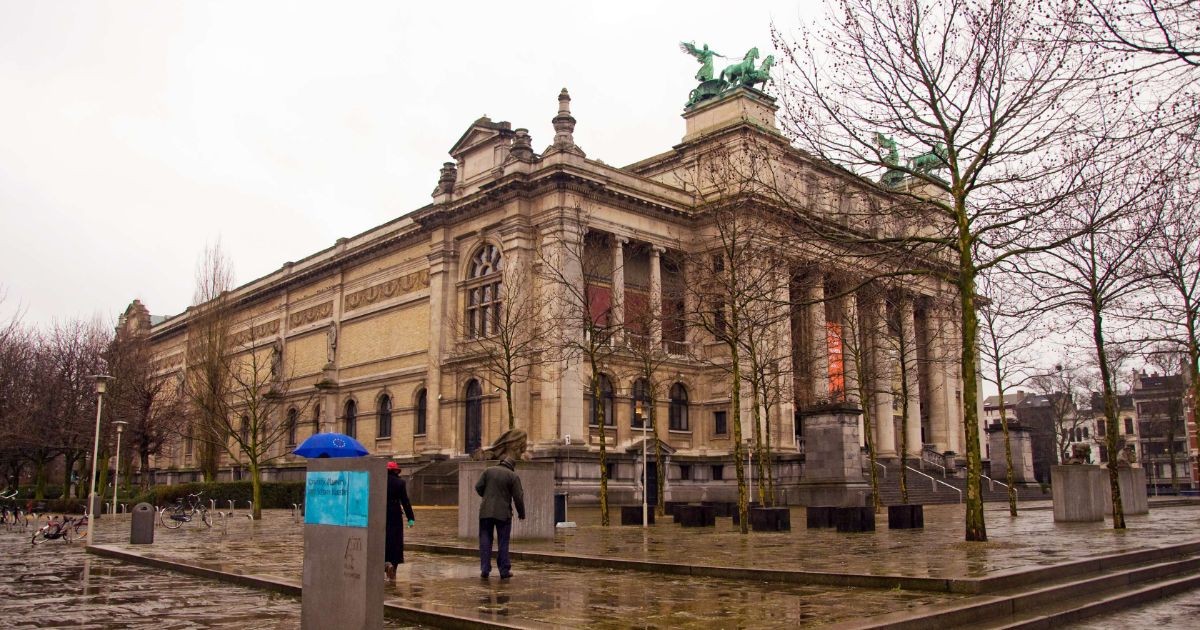
Nestled within a magnificent neoclassical building overlooking the vibrant Leopold Square in Antwerp’s historic Zuid district, the Royal Museum of Fine Arts (KMSKA) stands as more than just a repository of art; it's a living chronicle of Flemish artistic innovation and cultural heritage. Founded in 1810, its origins are inextricably linked to the legacy of the Antwerp Guild of Saint Luke – a lineage that immediately imbued the museum with a profound connection to the city’s rich mercantile past and its enduring spirit of creativity. A visit here isn't merely an observation of art; it’s a journey through centuries of skill, ambition, and the very soul of Flanders.
The building itself is a breathtaking testament to architectural design, conceived by the renowned architects Jean-Jacques Winders and Frans Van Dijk. Completed in 1894, its imposing façade – adorned with intricate sculptures depicting figures from Flemish art history, including dynamic representations of Pheme, the goddess of eloquence, and allegorical figures embodying Architecture, Painting, Sculpture, and Graphics – immediately commands attention. The monumental Keyser Hall, accessible via a grand staircase, serves as a dramatic introduction to the museum’s treasures, while the adjacent contemporary wing, seamlessly integrated into the original structure, showcases a strikingly minimalist aesthetic. This clever design choice, a testament to modern architectural thinking, allows the historical grandeur of the building to remain largely untouched, creating a harmonious blend of past and present – a space where the echoes of centuries resonate alongside the possibilities of tomorrow.
Exploring Flemish Artistic Brilliance: The KMSKA Collection Highlights
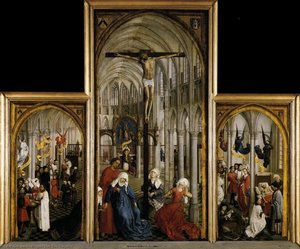
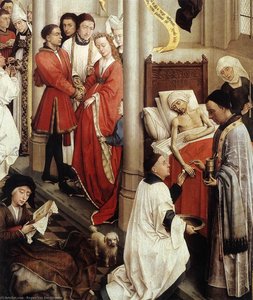
At its core lies an unparalleled selection of works by Peter Paul Rubens, the undisputed master of Baroque painting from Antwerp. His influence permeates the museum, and his “Seven Sacraments Altarpiece,” a monumental work showcasing his dynamic compositions and masterful use of color, is undoubtedly one of the museum’s most celebrated highlights. The sheer scale of this piece – originally intended for a church altar – is overwhelming, drawing the viewer into a world of vibrant emotion and intricate detail. Equally captivating are his numerous portraits, including the poignant “Prodigal Son,” which embodies the emotional intensity characteristic of Rubens's oeuvre, capturing a moment of profound regret and familial reconciliation with breathtaking realism.
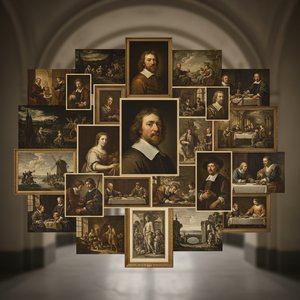
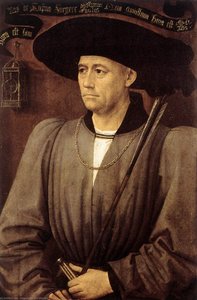
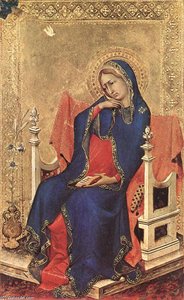
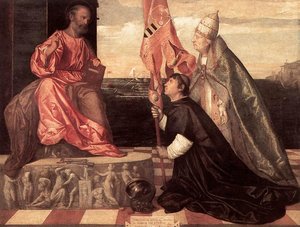
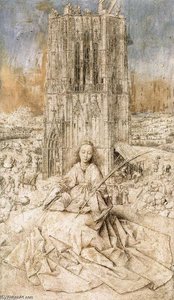
Beyond Rubens, the museum boasts an impressive collection of works by Jan van Eyck, the pioneer of oil painting; Rogier van der Weyden, a master of late Gothic art; Hans Memling, renowned for his exquisite devotional paintings; and countless other masters of the Flemish school. The 16th century is particularly well-represented, with a stunning array of paintings depicting religious scenes – often imbued with a deeply personal quality – mythological narratives filled with allegorical symbolism, and intimate portraits capturing the nuances of human character. Notable examples include masterpieces by Quinten Massys, known for his satirical depictions of everyday life; Jan Massijs, celebrated for his detailed genre scenes; and Frans Floris, whose iconic “Fall of the Rebel Angels” remains a powerful symbol of artistic drama – a chaotic vortex of figures rendered with dramatic intensity and masterful perspective.
Architectural Marvel: The KMSKA Building’s Legacy
The KMSKA building itself is more than just bricks and mortar; it's a symbol of Antwerp’s cultural ambition during the Belle Époque. Designed by Jean-Jacques Winders and Frans Van Dijk, its neoclassical style reflects the grandeur of European artistic ideals at the time. The monumental Keyser Hall, with its soaring staircase and opulent decorations, remains an unforgettable experience for visitors – transporting them back to a bygone era of elegance and sophistication.
The adjacent contemporary wing, seamlessly integrated into the original structure, demonstrates a remarkable feat of architectural innovation. This clever design choice prioritizes natural light and maximizes viewing conditions for each artwork, creating a harmonious dialogue between history and modernity. The building’s careful preservation ensures that its timeless beauty continues to inspire generations of art enthusiasts.
Beyond Paintings: Sculpture and Early Netherlandish Art
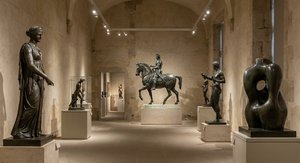
While renowned for its paintings, the KMSKA’s collection extends far beyond this medium. A dedicated gallery houses an impressive selection of sculptures from the 15th to 17th centuries, showcasing the skill and artistry of Flemish sculptors. These works provide valuable insights into the cultural context of the period and complement the museum’s painting collection, offering a holistic view of artistic production in Flanders.
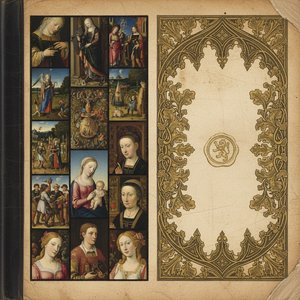
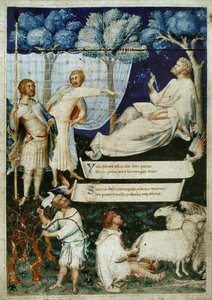
The early Netherlandish art section is a particular strength, featuring illuminated manuscripts – exquisite examples of medieval craftsmanship – drawings that reveal the meticulous techniques of artists like Van Eyck – and prints that illuminate the intellectual currents of the 14th and 15th centuries. These objects offer a glimpse into the world of scholars, patrons, and artists who shaped the artistic landscape of the era.
A Continuing Dialogue: KMSKA’s Engagement with Contemporary Art
The Royal Museum of Fine Arts Antwerp is committed to fostering creativity and dialogue between past and present. Recent renovations have incorporated cutting-edge lighting technology – Tunable White LEDs – optimizing viewing conditions for masterpieces while simultaneously promoting sustainability. Ongoing collaborations with artists, designers, and cultural institutions ensure that the KMSKA remains a vibrant hub of artistic expression, captivating audiences both locally and internationally.