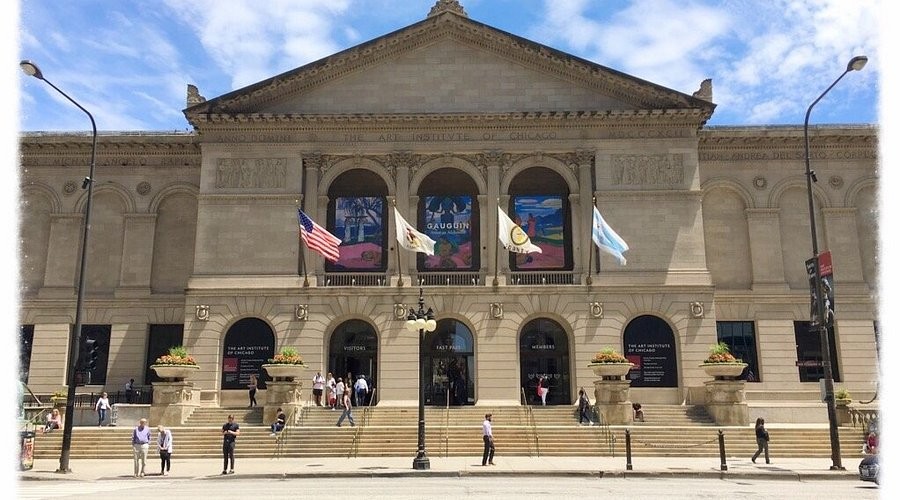
The Art Institute of Chicago: A Timeless Tapestry of Artistic Vision
Rising from the ashes of a devastating fire, the Art Institute of Chicago stands as more than just a repository of artistic treasures; it is a powerful testament to resilience and enduring beauty. Founded in 1879 as the Chicago Academy of Design, this institution swiftly blossomed into one of the world’s foremost art museums – a vibrant hub where history breathes alongside innovation. The very building itself, initially conceived as the grand centerpiece for the 1893 World's Columbian Exposition, is a breathtaking example of Beaux-Arts architecture; its soaring columns and intricate detailing designed to inspire awe and reverence. Yet, the Institute’s story isn’t solely one of architectural grandeur; it’s a narrative of constant reinvention, seamlessly blending historical majesty with contemporary design, as evidenced by Renzo Piano's stunning Modern Wing, which opened in 2009 and dramatically expanded the museum’s capacity while maintaining a harmonious dialogue between past and present. Stepping through its halls is an immersive experience – a journey through centuries of artistic expression, where every brushstroke and sculpted form whispers tales of ambition, rebirth, and the unwavering pursuit of beauty.
The Art Institute's collection is remarkably diverse, a carefully curated panorama spanning continents and centuries. While renowned for its exceptional strength in Impressionism and Post-Impressionism – offering intimate encounters with the luminaries of art history – the museum’s treasures extend far beyond these celebrated movements. Imagine standing before Claude Monet’s luminous landscapes, transported to the sun-drenched fields of Giverny, or losing yourself in the vibrant scenes captured by Pierre-Auguste Renoir, depicting the fleeting joys of Parisian life. Edgar Degas' captivating dancers seem poised to leap from the canvas, their movements frozen in a moment of ethereal grace. Vincent van Gogh’s emotionally charged canvases resonate with a raw intensity – particularly *La Berceuse*, his poignant portrait of Madame Roulin, a tender yet melancholic depiction revealing the artist’s profound empathy. But American art finds a powerful voice here too; Grant Wood's stoic *American Gothic* captures the essence of rural life and embodies the spirit of the heartland, while Edward Hopper’s haunting *Nighthawks*, with its evocative depiction of urban loneliness, speaks to the alienation of modern existence. John Singer Sargent's *Water Carriers on the Nile* offers a glimpse into another world entirely, transporting viewers to the banks of the ancient river. And then there is Georges Seurat’s monumental *A Sunday on La Grande Jatte*, inviting endless contemplation; each tiny dot contributing to a larger, harmonious whole – a testament to his groundbreaking pointillist technique.
Architectural Echoes and Historical Roots
The building itself is a masterpiece of Beaux-Arts architecture, designed by Richard Morris Hunt and Burnham & Platt. Originally conceived as the centerpiece for the 1893 World’s Columbian Exposition—an event that celebrated the 400th anniversary of Columbus's arrival in America—the Art Institute was intended to embody the ideals of progress, beauty, and cultural exchange. The building’s grand scale, opulent detailing, and symmetrical design reflect the Beaux-Arts aesthetic, which emphasized classical forms, monumental proportions, and lavish ornamentation. Following the devastating fire of 1871, the museum was rebuilt on the same site, retaining much of its original design while incorporating new elements to accommodate a growing collection. The addition of Renzo Piano’s Modern Wing in 2009 provided a striking contrast to the historic building, seamlessly integrating contemporary design with the existing structure and offering stunning views of Millennium Park. Its location on Michigan Avenue has also played a significant role in its evolution, transforming it into one of Chicago's most iconic landmarks—a symbol of artistic ambition and enduring civic pride.
Contemporary Visions and Ongoing Exploration
Currently, the Art Institute showcases exhibitions exploring diverse themes and artistic movements. Don’t miss *Gustave Caillebotte: Painting His World*, which delves into the artist’s life and work through a selection of over 120 paintings—a captivating journey into Impressionist aesthetics and Parisian society. Explore *American Gothic* – a cornerstone of American art—presented in dedicated exhibitions examining themes of rural life and regional identity. Immerse yourself in *Impressionist Masterpieces*, featuring iconic works by Monet, Renoir, Degas, and Van Gogh, accompanied by insightful commentary on their artistic innovations and cultural impact. And experience the grandeur of Renzo Piano’s Modern Wing—a testament to architectural vision and a celebration of contemporary art alongside Chicago's historic heritage. Beyond these featured exhibitions, the museum continually refreshes its displays, ensuring that visitors encounter both familiar favorites and exciting new discoveries.
A Living Legacy: Education and Preservation
What truly distinguishes the Art Institute is its unwavering commitment to art education and research. Its close ties to the School of the Art Institute of Chicago foster a dynamic ecosystem where artistic creation flourishes alongside the preservation of historical legacies, nurturing emerging talents while safeguarding treasures for future generations. Behind the scenes, dedicated conservation labs employ cutting-edge techniques to ensure that these masterpieces endure for centuries to come, meticulously preserving their vibrancy and integrity. The Ryerson and Burnham Libraries provide invaluable resources for scholars and researchers—a wealth of knowledge on art history, theory, and practice. This dedication extends far beyond academic pursuits; the museum actively engages with the community through diverse programs, tours, and workshops designed to make art accessible to all—inspiring curiosity and fostering a lifelong appreciation for artistic expression. The Art Institute of Chicago is not merely a museum; it’s a vibrant cultural heart, beating in rhythm with the city and resonating across generations.