Mikalojus Konstantinas Čiurlionis

1875 - 1911

Főbb információk

  • Corpus themes:
    • lithuanian folklore
    • lithuanian identity
    • symbolism
    • symbolist landscape
    • spiritual reflection
  • Museums on APS: M. K. Čiurlionis Nemzeti Művészeti Múzeum
  • Top-ranked work: Funeral Symphony. VII from the cycle of 7 paintings
  • Works on APS: 173
  • Vibe:
    • misztikus
    • éteri
  • Topics explored:
    • symbols
    • sea
    • lithuanian art
    • symbolism
    • mountains
  • Color intensity:
    • élénk
    • egyensúlyban lévő
  • Best occasions: hangulat
  • Died: 1911
  • Movements: symbolism
  • Továbbiak…
  • Nationality: Lettország
  • Copyright status: Public domain
  • Born: 1875, Šiauliai, Lettország
  • Emotional tone: rejtélyes
  • Lifespan: 36 years
  • Art period: Modern
  • Typical colors:
    • földszínek
    • sötét tónusok
  • Room fit: nappali
  • Creative periods: mature period
  • Also known as: Mikołaj Konstanty Czurlanis

Early Life and Artistic Beginnings

Mikalojus Konstantinas Čiurlionis, a name now synonymous with Lithuanian Symbolism, was born in 1875 in Senoji Varėna, a small town nestled in southeastern Lithuania. His early years were shaped by the rich cultural landscape of the region, a blend of Polish and Russian influences that would subtly inform his artistic sensibilities. His father, Konstantinas Čiurlionis, was an organist and choirmaster, instilling in young Mikalojus a deep appreciation for music – a passion that would later intertwine inextricably with his visual art. The family’s move to Druskininkai further nurtured this musical inclination, as the boy played regularly in Prince Oginski's orchestra, developing his skills and gaining valuable experience performing before an audience. This early exposure to both music and performance laid the groundwork for his later exploration of artistic expression through multiple mediums. His formal education began in Plungė, where he attended Michal Oginski’s school, a prestigious institution for young musicians. It was here that his artistic inclinations truly began to blossom, fueled by a burgeoning interest in drawing and painting alongside his musical pursuits. A pivotal moment arrived when he received support from his family to pursue studies in Warsaw, Poland – a city renowned for its vibrant cultural scene and its strong tradition of art education. This move marked the beginning of his journey towards becoming a recognized artist, though not without significant personal challenges.

Artistic Style and Influences

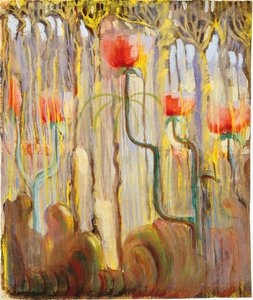
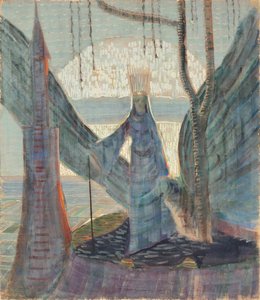
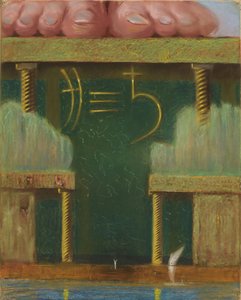
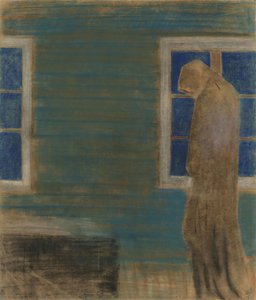
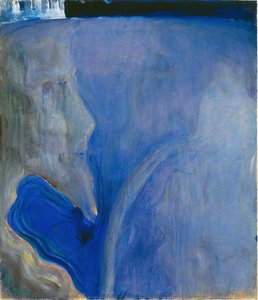
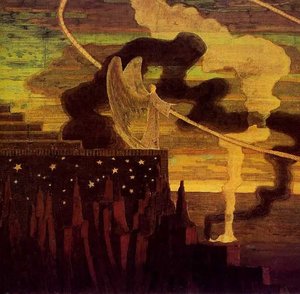
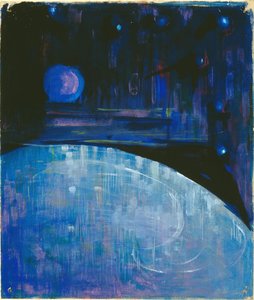
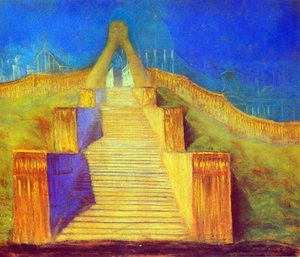
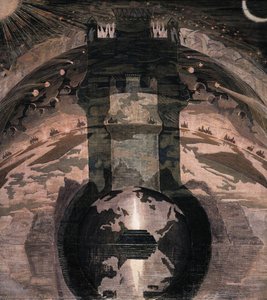
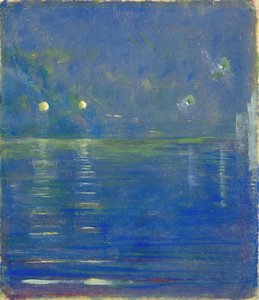
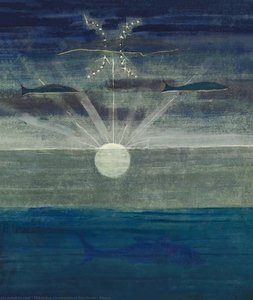
Čiurlionis’s artistic style is profoundly rooted in Symbolism, a movement that sought to evoke emotions and ideas through suggestive imagery rather than direct representation. His works are characterized by a dreamlike quality, often depicting ethereal landscapes, solitary figures bathed in soft light, and an underlying sense of spirituality. He wasn't simply painting what he saw; he was attempting to capture the *feeling* of nature – its mystery, its beauty, and its profound connection to the human soul. This approach is evident in his most celebrated works, such as “In the Forest” and “The Sea,” both masterpieces that demonstrate his ability to translate complex emotions into visually arresting compositions. His artistic development was influenced by a diverse range of sources. The teachings of Antoni Sygietyński at the Warsaw Academy of Music provided him with a solid foundation in musical theory, while his studies under Zygmunt Noskowski honed his compositional skills. He also drew inspiration from the works of masters like Richard Strauss and Hector Berlioz, absorbing their innovative techniques and embracing their willingness to push the boundaries of traditional art forms. However, it was not solely through formal instruction that he developed his unique style; Čiurlionis’s deep connection with nature – a defining characteristic of Lithuanian culture – served as an enduring wellspring of inspiration.

Development and Major Achievements

Čiurlionis' artistic journey wasn't linear or straightforward. He faced considerable financial hardship throughout his life, struggling to make ends meet while pursuing his creative ambitions. Despite these challenges, he persevered, developing a distinctive style that combined elements of Symbolism, Art Nouveau, and even hints of early abstraction. He experimented with various media – painting, music, poetry, and graphic design – often blurring the lines between them. His symphonic poems, particularly “In the Forest” (1903) and “The Sea” (1907), stand as testaments to his ability to translate visual imagery into musical form, creating immersive experiences that resonate deeply with listeners. His exploration of color was particularly significant. Čiurlionis believed that colors possessed inherent emotional qualities and sought to capture these nuances in his paintings. He often employed a limited palette – predominantly blues, greens, yellows, and browns – but used them with remarkable sensitivity, layering hues and creating subtle gradations that evoked specific moods and atmospheres. His work "Cancer" (circa 1900s), now available as a museum-quality reproduction, exemplifies this approach, showcasing his unique ability to imbue seemingly simple landscapes with profound emotional depth.

Museological Significance and Legacy

Mikalojus Konstantinas Čiurlionis’s contributions extend far beyond the individual artworks he created. He played a crucial role in shaping Lithuanian national identity during a period of significant political upheaval. His art, imbued with themes of nature, spirituality, and longing for homeland, resonated deeply with a nation struggling to assert its independence from foreign rule. His legacy is reflected in numerous museums and collections throughout Lithuania and beyond, including the M. K. Čiurlionis National Art Museum in Kaunas, which houses an extensive collection of his paintings, drawings, and musical scores. Furthermore, his influence can be seen in the work of other Lithuanian artists and intellectuals who followed in his footsteps. The museum at Riga’s Birža (Latvia) also showcases a significant collection of world art, including works from the Symbolist period, providing valuable context to Čiurlionis' place within the broader European artistic landscape. His impact continues to inspire contemporary artists and art enthusiasts alike, solidifying his position as one of Lithuania’s most important cultural figures.

Művészeti kvíz

Minden kérdésre csak egy helyes válasz létezik.

Kérdés 1:
Mikalojus Konstantinas Čiurlionis édesapja mi volt?
Kérdés 2:
Mikor született Mikalojus Konstantinas Čiurlionis?
Kérdés 3:
Melyik művészeti ágon járt el tanulmányokat Varsóban?
Kérdés 4:
Melyik műve ismeri a leginkább?
Kérdés 5:
Hol tartják mostanában Čiurlionis műveit?


© 2026 mus3ums.com