

A Legacy Etched in Stone: The Andalusian Archives of Seville
In the heart of Seville, a city pulsating with the romance of Spanish history and echoing with the whispers of bygone empires, rises the Archivo General de Indias – far more than just a repository for documents. It’s a monumental testament to ambition, power, and the intricate dance between cultures that shaped Spain's global destiny. Designated as a UNESCO World Heritage site alongside Seville’s magnificent Cathedral and Alcázar, this archive stands as a breathtaking embodiment of a nation’s reach, inviting us into a world of royal decrees, daring expeditions, and the quiet lives lived within the vast expanse of its walls.
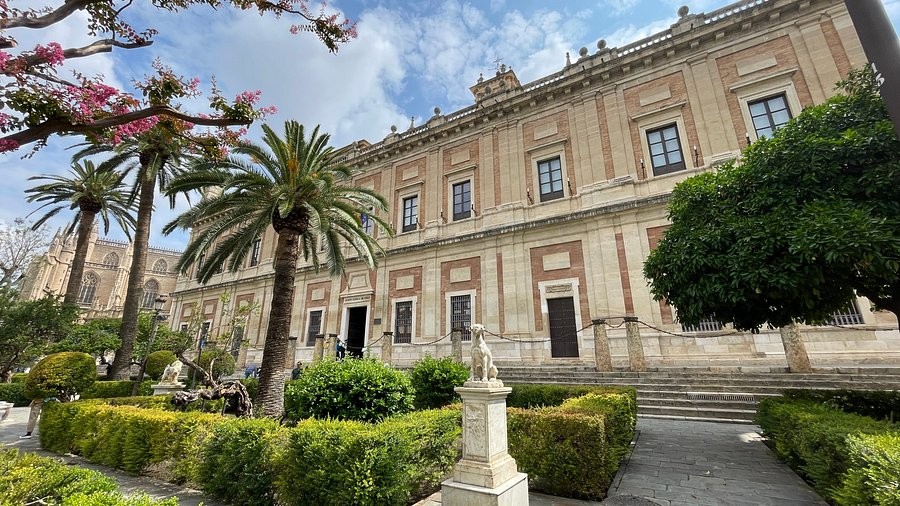
The building itself is a powerful statement. Conceived by the masterful Juan de Herrera, the architect famed for his work on the Escorial monastery, the Archivo General de Indias isn’t merely constructed; it's sculpted from stone and ambition. Its Renaissance design – a deliberate elevation of the former merchant guild hall – immediately conveys an aura of royal authority and scholarly pursuit. Completed in 1598 after decades of painstaking construction overseen by skilled artisans like Juan de Mijares, Alonso de Vandelvira, and Miguel de Zumárraga, the imposing square structure, stretching fifty-six meters on each side, exudes a remarkable sense of stability and grace. The innovative vaulting techniques employed to manage the immense weight of the roof are a testament to the ingenuity and engineering prowess of Spanish architects during the Enlightenment – a feat of structural brilliance hidden within its elegant façade.
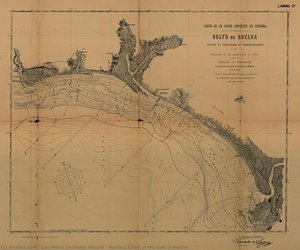
Established in 1785 by King Charles III, the archive’s genesis stemmed from a crucial need: to consolidate the scattered records of Spain's sprawling colonial empire. This wasn’t simply an act of administrative organization; it was a strategic maneuver designed to firmly establish and reinforce Spain’s dominion over territories spanning continents. Within its vast halls reside royal decrees outlining governance, meticulously documented diplomatic correspondence illuminating complex international relations, and exquisitely detailed maps charting the audacious voyages into uncharted lands – visual chronicles that vividly depict Spain's relentless expansion. The collection is astonishing in its breadth, encompassing not only the grand narratives of imperial conquest but also the intimate details of daily life experienced during those turbulent times. Here, one can trace the legendary journeys of Christopher Columbus through firsthand accounts penned by Luis de Santángel, a passionate advocate who played a pivotal role in financing the expedition, or even encounter manuscripts attributed to the literary giant, Miguel de Cervantes, offering glimpses into the vibrant world of literature alongside legal documents shaping colonial law.
However, the true significance of the Archivo General de Indias lies in its ability to present multiple perspectives. While predominantly reflecting the Spanish viewpoint, the archive also safeguards invaluable records that shed light on indigenous cultures and experiences – a crucial element for understanding the complexities of colonial interaction. These documents provide a nuanced and often poignant view of the encounters between civilizations, offering profound insights into social customs, religious beliefs, artistic expressions, and the struggles faced by those whose lives were irrevocably altered by European expansion. Recent exhibitions have further amplified this perspective, showcasing captivating artifacts and thoughtful interpretations that illuminate pivotal moments in Spanish imperial history, particularly exploring the impact of Baroque art and the dynamics of religious conversion. The archive isn’t a static collection; it's a living resource—a dynamic hub for scholars, researchers, and anyone seeking to unravel the intricate tapestry of our shared past.
Architectural Marvel and Historical Context
The building itself is a masterpiece of Renaissance architecture, seamlessly blending functionality with artistic grandeur. Originally constructed as the *Casa Lonja de Mercaderes* (House of Trade) in 1573 for Seville’s merchant guild, it served as the city's bustling commercial center until the mid-17th century when the port shifted to Cadiz. Juan de Herrera’s design was revolutionary for its time, incorporating elements of Italian Renaissance architecture while firmly rooted in Spanish traditions. The façade is a testament to symmetry and proportion, featuring imposing columns, intricate detailing, and arched windows that flood the interior with natural light. The building's strategic location within Seville—adjacent to the Cathedral and Alcázar—further enhances its historical significance, creating a powerful visual connection between Spain’s religious, royal, and commercial past.
A Treasure Trove of Colonial Records
The Archivo General de Indias houses an unparalleled collection of documents spanning centuries of Spanish colonial history. Its holdings encompass over 80 million pages of material, meticulously organized into legajos – bundles of related documents that provide a chronological and thematic overview of the empire’s activities. Key areas within the archive include:
- Royal Decrees and Correspondence: Detailed records of governance, legislation, and diplomatic relations across vast territories.
- Maps and Charts: Exquisite cartographic representations of newly discovered lands, providing invaluable insights into exploration and territorial claims.
- Personal Accounts: Letters, diaries, and memoirs offering intimate glimpses into the lives of conquistadors, missionaries, merchants, and indigenous populations.
- Legal Documents: Laws, treaties, and court records shaping colonial legal systems.
- Artistic Materials: Manuscripts attributed to renowned artists like Cervantes, along with visual materials documenting artistic trends in the colonies.
Exhibitions and Ongoing Research
The Archivo General de Indias regularly hosts temporary exhibitions that bring its vast collection to life for a wider audience. These exhibits often focus on specific themes or periods within Spanish colonial history, utilizing digitized documents, artifacts, and interactive displays. Currently, the archive is actively involved in ongoing research projects aimed at uncovering new insights into the complexities of colonialism, indigenous cultures, and the legacy of Spain’s global empire. Researchers from around the world utilize the archive's resources to study a wide range of topics, contributing to a deeper understanding of this pivotal era in human history. The archive also offers guided tours (available in English) that provide visitors with a comprehensive overview of its collection and its historical significance.