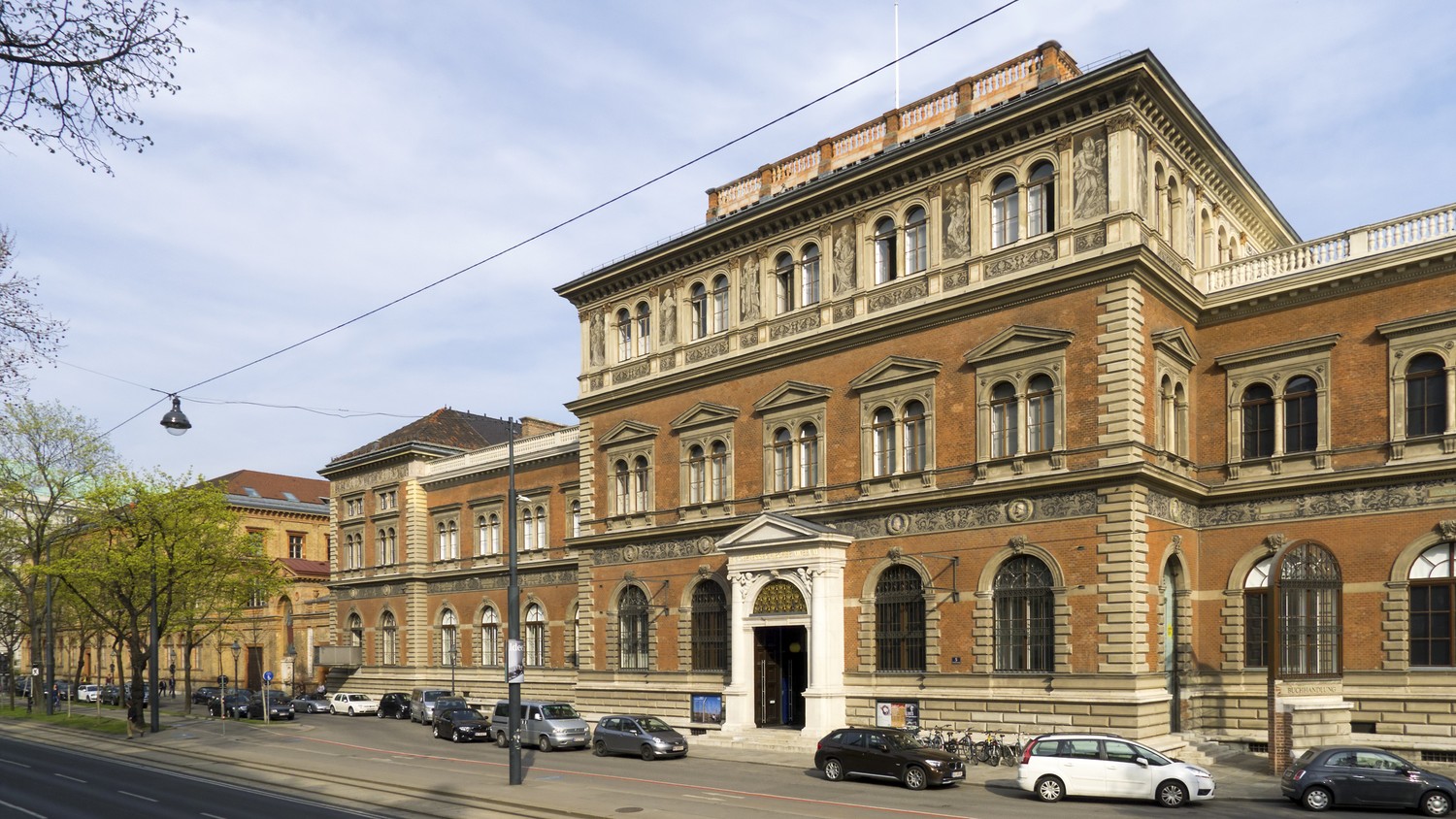
MAK – Művészeti és Ipari Múzeum

Rövid információk

  • Featured artists:
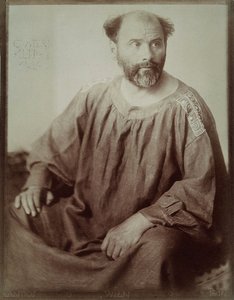
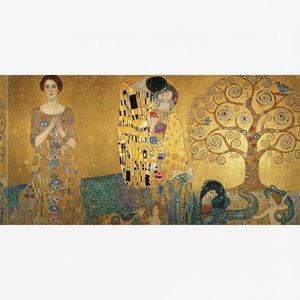
    • Gustav Klimt
    • Gustáv Klimt
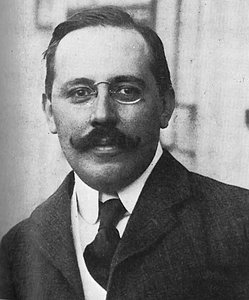
    • josef maria gustav hoffmann
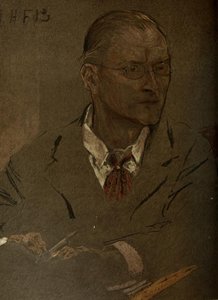
    • charles francis annesley voysey
    • Koloman Moser
  • Works on APS: 30
  • Movements: art nouveau
  • Alternate names:
    • MAK
    • Museum für angewandte Kunst
  • Továbbiak…
  • Art types: digitális
  • Mediums:
    • akril vászonon
    • giclée nyomat
  • Historical periods:
    • modern kor
    • reneszánsz
  • Location: Viena, Ausztria

Művészeti kvíz

Minden kérdésre csak egyetlen helyes válasz létezik.

Kérdés 1:
Mi az MAK múzeum hivatalos neve?
Kérdés 2:
Miként alapították meg az MAK múzeumban?
Kérdés 3:
Mi volt az első célja az MAK múzeum alapításának?
Kérdés 4:
Ki tervezte meg az MAK épületét?
Kérdés 5:
Mi található az MAK központjában?

A Legacy Forged in Art and Industry: Exploring the MAK

A Vienna steeped in artistic heritage, the MAK – Museum of Applied Arts – is far more than a mere collection of beautiful objects; it’s a vibrant testament to Austria's enduring belief in the harmonious marriage of art, industry, and everyday life. Established in 1863 by Emperor Franz Joseph I, the museum emerged from a profound desire to elevate craftsmanship and usher in a new era of artistic production – a vision that continues to pulse through its halls today. From the whispered tales held within medieval textiles to the bold, geometric patterns of contemporary designs, the MAK’s collection is a breathtaking chronological journey, a dynamic conversation spanning centuries, connecting past, present, and future. It's a place where one doesn’t simply observe art; it’s an invitation to contemplate the very essence of design – how we shape our world and imbue it with beauty and purpose.

The Vienna Workshops and Beyond: A Collection Defined by Vision

At the heart of the MAK’s unparalleled renown lies its extraordinary assemblage, particularly centered around the *Wiener Werkstätte* (Vienna Workshops), founded in 1903. This wasn't merely a group of artisans; it was a revolutionary movement, a radical reimagining of art’s role within society. The Werkstätte championed the concept of *Gesamtkunstwerk* – “total work of art” – believing that every element, from the grandest architectural detail to the smallest ceramic embellishment, should contribute to a unified and profoundly beautiful aesthetic experience. Stepping into the MAK's galleries dedicated to this era is akin to entering a meticulously crafted world, where opulent textiles boasting bold geometric patterns intertwine with exquisitely formed ceramics adorned with intricate floral motifs. The furniture designs of Josef Hoffmann, characterized by their uncompromising pursuit of simplicity and elegance, stand as enduring symbols of the Werkstätte’s commitment to refined living – a philosophy that continues to influence design today. However, the MAK's scope extends far beyond this iconic collection; you’ll discover masterpieces of glassware by Alois Weiβberger and Johann Koller, shimmering with delicate artistry, alongside works from countless other masters, showcasing the breadth of applied arts across centuries.

An Architectural Jewel: Ferstel’s Vision Realized

The MAK building itself is an integral part of its story – a magnificent architectural statement conceived by Heinrich von Ferstel, a name inextricably linked to Vienna's artistic flourishing. Completed in 1871, the building embodies the grandeur and stylistic aspirations of Vienna’s Belle Époque, mirroring London’s South Kensington Museum (now the Victoria & Albert Museum) as a beacon of applied arts education and research. The façade is a breathtaking spectacle – adorned with monumental Corinthian columns and intricate decorative friezes, each element meticulously crafted. But it's not just the scale that impresses; sculptures by Gustav Klimt and Josef Maria Olbrich, two titans of Vienna’s vibrant cultural landscape, grace the building, adding layers of artistic significance to its exterior. Walking through the MAK’s halls is an experience in itself – a journey through a structure designed not merely as a repository for art, but as a palace for learning, a space intended to inspire awe and cultivate a deep appreciation for beauty in all its forms.

Pioneering Spirit: From Bitcoin Acquisitions to Immersive Installations

The MAK isn’t content with simply preserving the past; it actively shapes the future of art and museum practice. This pioneering spirit is vividly evident in its embrace of new technologies and its willingness to engage with pressing contemporary issues. In a truly groundbreaking move, the MAK became the first museum globally to utilize Bitcoin for acquiring art – purchasing “Event listeners” by van den Dorpel in 2015 – a bold statement about the evolving relationship between art, technology, and finance. This commitment to innovation extends beyond financial transactions; recent exhibitions, such as "BLOCKCHAIN:UNCHAINED," have interrogated the transformative potential of blockchain technology within the art world, while collaborations with artists like James Turrell have resulted in mesmerizing installations, transforming the museum’s courtyard into a captivating sensory experience through precisely calibrated LED lighting – most notably, “MAKlite.” The MAK is not afraid to challenge conventions and invite visitors to engage with art in entirely new and unexpected ways.

A Digital Gateway: Expanding Access to Artistic Heritage

Beyond its physical walls, the MAK extends its reach through an expansive digital presence. With over 300,000 objects digitized and presented online, it boasts the largest online collection within Austria’s Federal Museums – a treasure trove of artistic heritage accessible to scholars, artists, and enthusiasts worldwide. Complementing this digital exploration is an interactive web-based audio guide app, designed to enrich visitor understanding with detailed narratives and expert commentary. Whether captivated by Viennese Art Nouveau or intrigued by the evolution of design principles across eras, the MAK offers an unforgettable journey into the heart of artistic innovation and cultural heritage – a journey that now extends far beyond the boundaries of Vienna itself. The museum’s website is a portal to this vast collection, offering virtual tours and detailed information on individual pieces.
© 2026 mus3ums.com