A Singular Window into Volyn Iconography: Exploring the Museum of Volyn Icon
The Museum of Volyn Icon, nestled in the historic city of Lutsk, Ukraine, isn’t merely a repository of religious art; it's an immersive journey back to the artistic heartland of Eastern Europe. Founded on a bedrock of scholarly dedication and fueled by generous local donations—primarily spearheaded by the visionary art critic Pavlo Zholtovsky—the museum emerged in 1993 as a beacon for preserving Volyn’s distinctive cultural heritage, specifically its celebrated school of icon painting. Its mission transcends simple display; it strives to illuminate the spiritual and aesthetic values that shaped this region throughout centuries past – a quest for understanding that continues to inspire researchers and visitors alike.
Collection Highlights: A Treasure Trove of Faith and Artistic Innovation
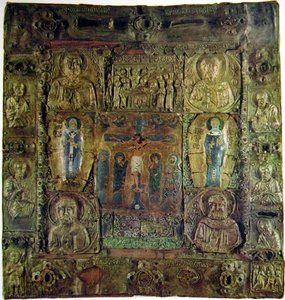
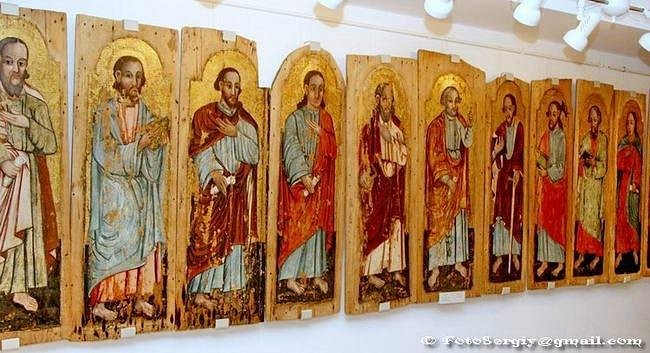
The museum’s core strength resides in its extraordinary assemblage of over 1500 sacred art pieces, representing a remarkable testament to Volynian artistic prowess. Among these treasures are more than 600 icons dating from the XVI to XIX centuries – each a meticulously crafted masterpiece that speaks volumes about the beliefs and traditions of its time. These aren’t merely decorative objects; they are tangible links to Volyn's past, bearing witness to groundbreaking techniques and unwavering devotion. Imagine gazing upon canvases imbued with Byzantine influences yet subtly shaped by regional sensibilities—a captivating blend of tradition and innovation.
The Volyn School’s Legacy: Decoding Artistic Mastery
What distinguishes this institution is its unwavering focus on the Volyn school of icon painting – a movement that blossomed organically over time, leaving behind an indelible mark on Eastern European art history. Researchers have painstakingly documented techniques employed by generations of painters, revealing astonishing levels of detail and precision in pigment layering. This meticulous approach underscores not only artistic skill but also a profound respect for preserving cultural heritage—a dedication reflected in every brushstroke and color palette. Studying these icons unlocks secrets to understanding the visual language of its era.
Historical Significance Beyond Art: Reflections of Volynian Society
The icons themselves are invaluable historical artifacts, offering glimpses into the social fabric of Volyn during their creation. They depict scenes from Orthodox Christian life – processions, saints’ feasts, and depictions of biblical narratives – mirroring societal beliefs and customs prevalent throughout the period. Examining these artworks allows us to reconstruct a vivid picture of Volynian history: royal patronage supporting artistic endeavors alongside monastic piety shaping aesthetic sensibilities. Each icon tells a story—a narrative woven into the very fabric of Volyn's cultural identity.
Architectural Setting: A Space for Contemplation and Artistic Appreciation
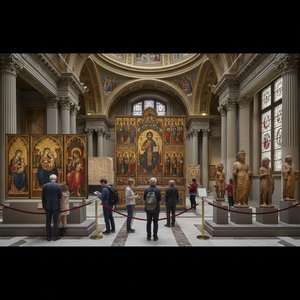
The museum’s architectural setting complements its artistic treasures, reinforcing the contemplative atmosphere ideal for appreciating sacred art. Situated in Lutsk – a city steeped in medieval grandeur and fortified by centuries of turbulent history – the building embodies solemnity and reinforces the contemplative atmosphere conducive to contemplating these masterpieces. While precise details regarding its design remain limited, it reflects the broader ethos of preserving cultural heritage—a deliberate choice designed to enhance the visitor’s experience and foster a deeper connection with Volyn's artistic legacy.
Notable Exhibitions: Sharing Knowledge Across Borders
The museum regularly hosts scholarly conferences dedicated to Volyn icon painting, attracting experts from across Europe – fostering dialogue and disseminating knowledge about this unique tradition. These events underscore Lutsk’s role as a center for artistic research and contribute significantly to promoting Volynian art internationally. Visiting these conferences provides invaluable insight into ongoing scholarship and ensures that the legacy of the Volyn School continues to inspire future generations of artists and historians alike.