

A Sanctuary of Light: The Musée Marmottan Monet’s Enduring Embrace
Nestled within a tranquil corner of Paris, bordering the verdant expanse of the Bois de Boulogne, lies the Musée Marmottan Monet – an unexpected jewel box brimming with the luminous heart of Impressionism. More than simply a repository of paintings, it's a deeply personal narrative woven through generations, beginning not with grand artistic ambition but with a fascination for Napoleonic history and culminating in a profound celebration of light and color. The building itself, a meticulously restored 19th-century mansion, exudes an understated elegance; its architecture provides a serene backdrop to the vibrant canvases within, creating an atmosphere that feels remarkably intimate – as if stepping directly into the artist’s studio or the dappled sunlight of his beloved Giverny garden. This isn't a museum that merely displays art; it invites you to lose yourself in its world, to feel the warmth of the Parisian sun and the gentle rustle of leaves, all while contemplating the revolutionary spirit that defined Monet’s legacy.
The museum’s origins are inextricably linked to the Marmottan family – Jules, Paul, and Michel. Their initial passion for Napoleonic artifacts evolved into a remarkable collection of furniture, sculptures, and paintings, forming the foundation upon which the Impressionist wing was built. This unexpected lineage—a hunting lodge commissioned by the Duke of Valmy transformed into a private residence and then a museum—adds a layer of intrigue to the experience, revealing a family’s evolving tastes and dedication to preserving a unique legacy. The building's transformation wasn't merely a logistical shift; it represented a conscious decision to safeguard not just artistic treasures but also a tangible connection to their ancestors.
The Pivotal Gift: A Splash of Dawn
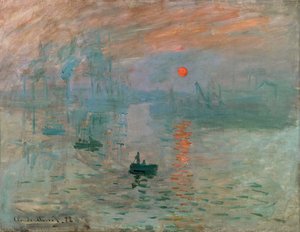
The turning point arrived in 1966 with the generous bequest from Michel Monet – over one hundred paintings, including the iconic *Impression, soleil levant*, that irrevocably cemented the museum’s place on the international art stage. This single painting, a hazy depiction of Le Havre harbor at dawn, became the namesake for an entire artistic movement and, crucially, provided the core of the Musée Marmottan Monet's collection. Beyond this seminal work, the bequest included a wealth of other pieces—landscapes, portraits, and scenes from Monet’s life – offering a remarkably complete portrait of the artist’s evolution and his profound engagement with light and atmosphere. The gift wasn’t just about acquiring paintings; it was about inheriting a family story, a passion for art, and a deep appreciation for the fleeting beauty of the natural world.
The Heart of Monet: Water Lilies and Beyond
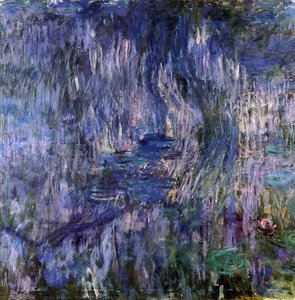
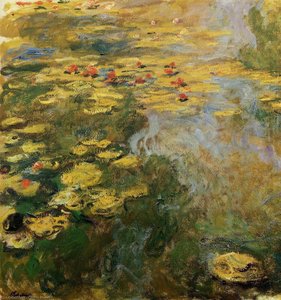
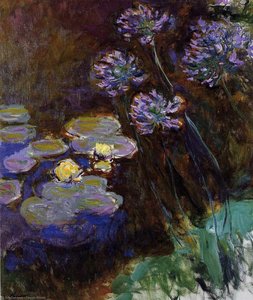
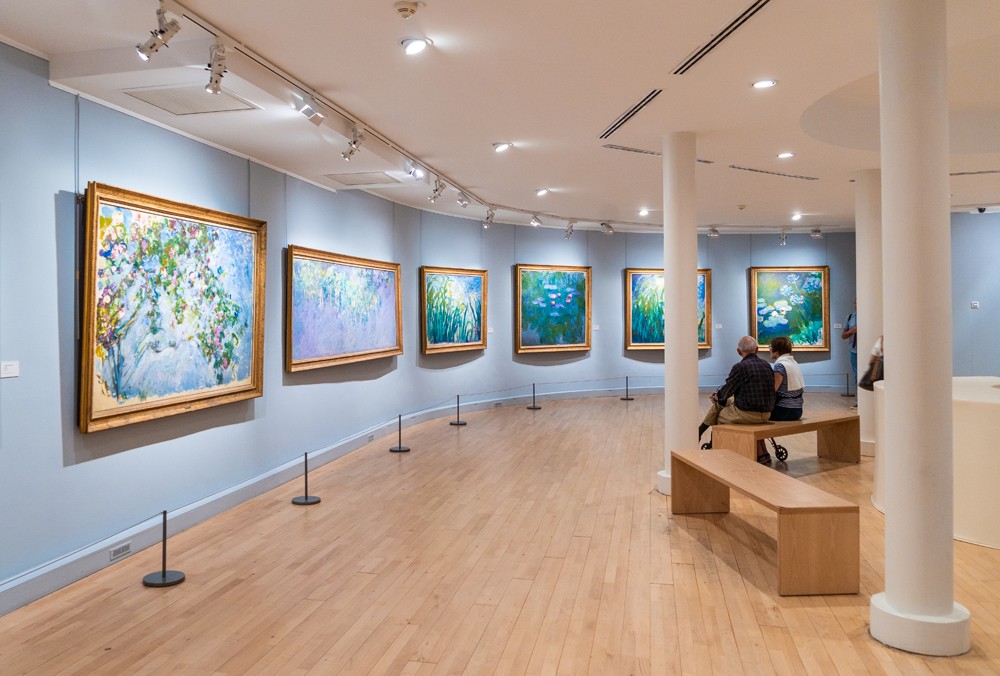
At the heart of the Musée Marmottan Monet resides an unparalleled collection of Claude Monet’s works, most notably his series of *Water Lilies* (Nymphéas). These monumental canvases, painted primarily during the last three decades of his life at Giverny, are not simply landscapes; they are immersive experiences—a swirling vortex of color and light that transports the viewer to the tranquil depths of Monet’s garden pond. The sheer scale of these paintings is breathtaking, demanding a slow, deliberate appreciation of their intricate details and subtle shifts in hue. But it's more than just size; it’s the way Monet captures the fleeting effects of sunlight on water, the dance of reflections, and the ephemeral beauty of nature that truly sets them apart. These works are not merely representations of a pond; they are meditations on light, color, and the very essence of perception.
Alongside the *Water Lilies*, the collection boasts exceptional works by other Impressionist masters – Berthe Morisot’s intimate portraits of domestic life, capturing moments of quiet beauty within the confines of family life; Edgar Degas's captivating depictions of dancers and Parisian society, revealing a keen eye for movement and social observation; and the vibrant landscapes of Renoir, Sisley, and Pissarro, each offering a unique perspective on the changing seasons and the charm of rural France. The museum doesn’t simply display paintings; it invites you to step into their world, to feel the light, the air, the very essence of a revolutionary artistic vision.
A Building That Speaks Volumes
The Musée Marmottan Monet's architecture is as integral to its appeal as its collection. The mansion itself—a meticulously restored 19th-century building—contributes significantly to the museum’s intimate atmosphere. Unlike grand, sprawling institutions that can feel overwhelming, this museum retains a sense of quiet contemplation and personal connection. The rooms are spacious yet cozy, bathed in natural light, creating an environment conducive to deep appreciation of the art on display. The original library, now adjacent to the main exhibition halls, houses the family’s collection of Napoleonic artifacts and literary works – a tangible link to the museum's rich history and its unexpected origins. The careful preservation of both the building and its contents speaks volumes about the Marmottan family’s commitment to honoring their heritage.
A Legacy Preserved: Exhibitions and Future Horizons
The Musée Marmottan Monet continues to evolve, offering a diverse range of exhibitions that illuminate different facets of Impressionism and beyond. Recent exhibitions have explored the influence of Japanese art on Monet’s work – particularly his use of bold colors and unconventional compositions – as well as his relationship with other artists of the era. The museum also hosts educational programs for visitors of all ages, fostering a deeper understanding and appreciation of Impressionist art. Looking ahead, the Musée Marmottan Monet remains committed to preserving its unique collection and sharing it with the world—a beacon of light in the heart of Paris, celebrating the enduring legacy of Claude Monet and the vibrant spirit of Impressionism.