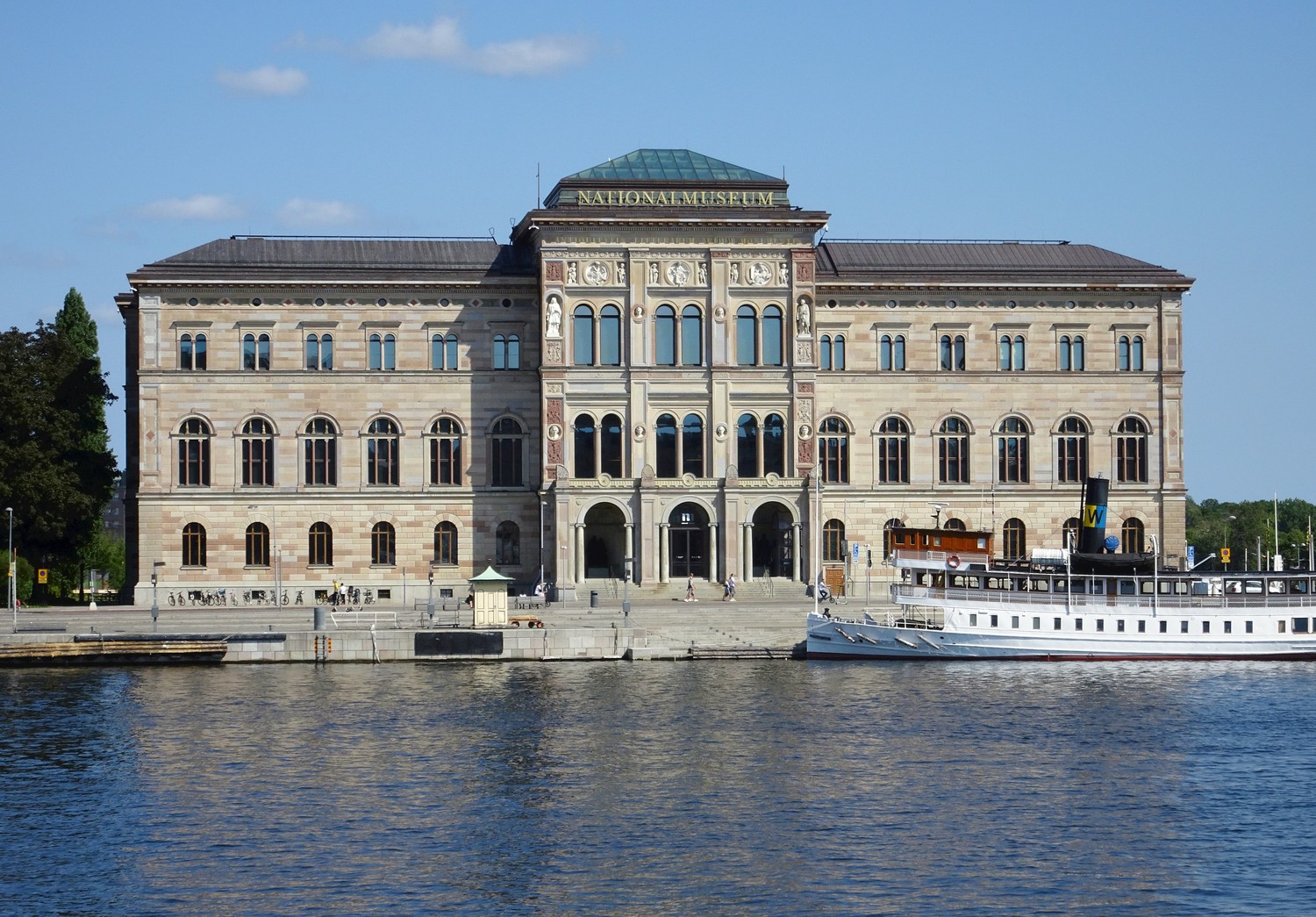




A Chronicle of Swedish Identity: Unveiling the Nationalmuseum
Stockholm’s heart holds a treasure far beyond mere artistic display – the Nationalmuseum is a living chronicle of Sweden's soul, a testament to its evolution from medieval artistry to the vibrant pulse of contemporary expression. Nestled on the serene Blasieholmen peninsula, this magnificent building isn’t just a museum; it’s a journey through centuries of Swedish identity, interwoven with the rich threads of European artistic traditions. The Nationalmuseum's story is inextricably linked to the nation itself, reflecting its triumphs, its struggles, and its enduring spirit.
The museum’s collection is an astonishing panorama, a kaleidoscope of voices spanning time. Begin your exploration in the painting galleries, where you’ll encounter the delicate devotional scenes of the Renaissance – masterpieces that evoke a profound sense of faith and devotion, alongside the dramatic chiaroscuro of Rembrandt and the emotionally charged canvases of Goya. But don't stop there! The Nationalmuseum champions Swedish artists with passionate dedication, showcasing their contributions across diverse periods and movements: from Albert Rydberg’s evocative landscapes capturing the raw beauty of Sweden’s wilderness to Carl Larsson’s poignant portraits that offer intimate glimpses into everyday life. The sculptures section is equally impressive, presenting a fascinating dialogue between classical forms and more experimental approaches – a reflection of Sweden's ongoing engagement with artistic innovation.
The Architectural Heartbeat
More than just a collection of artworks, the Nationalmuseum’s building itself is a work of art. Inaugurated in 1866, its design draws inspiration from Northern Italian Renaissance architecture – a deliberate choice that speaks volumes about the museum's origins and its connection to the Swedish monarchy. The façade, deliberately restrained and imposing, conceals within it a breathtakingly spacious interior, a testament to the ambition of its architects and builders. But perhaps the most striking feature is the dramatic flight of stairs ascending towards the uppermost galleries – a powerful symbol that transcends mere functionality. These stairs aren’t simply a means of access; they represent an ascent into the realm of artistic contemplation, inviting visitors to embrace the museum's spirit of discovery.
The construction of this grand edifice was a monumental undertaking, involving skilled artisans and craftsmen from across Europe, each contributing their expertise to create a space that would stand as a beacon of Swedish culture for generations to come. The meticulous attention to detail, combined with the building’s impressive scale, is a testament to the nation's pride and its commitment to preserving its artistic heritage.
A Living Museum: Exhibitions and Engagement
The Nationalmuseum isn’t merely a static display of masterpieces; it’s a dynamic cultural hub actively engaging with contemporary issues. Recent exhibitions have demonstrated this commitment, offering thought-provoking explorations of art as a tool for social change. “Hanna Hirsch Pauli – The Art of Being Free,” for example, powerfully illustrates how artistic expression can be used to confront societal challenges and inspire reflection. The museum consistently seeks to broaden access to art education, offering engaging programs for visitors of all ages—from family workshops that spark creativity in young minds to lectures and tours that deepen understanding for adults.
Furthermore, the Nationalmuseum is dedicated to connecting diverse communities with cultural heritage, ensuring that its treasures are accessible to everyone. The decision to offer free admission on Thursdays and for under-20s reflects a deep-seated belief in the importance of art for all Swedes, solidifying its role as a vital force in shaping the nation’s cultural landscape.
A Legacy Preserved, A Future Embraced
Ultimately, the Nationalmuseum distinguishes itself through its unwavering commitment to preserving Sweden's artistic heritage while simultaneously embracing innovation. The architectural grandeur serves as a tangible connection to history, inviting visitors to contemplate the enduring power of art and design – a space for contemplation, discovery, and inspiration. The recent renovation project, completed in 2018, has not only modernized its facilities but also reaffirmed its commitment to serving future generations of art lovers. With its rich collection, stunning architecture, and dynamic programming, the Nationalmuseum stands as a beacon of Swedish culture – a place where history comes alive and artistic expression continues to inspire.