A Palace of Footwear: Entering the World of Salvatore Ferragamo
Florence, a city that breathes with the echoes of Renaissance artistry and timeless style, provides an utterly fitting stage for the Museo Salvatore Ferragamo. More than just a simple retrospective of footwear, this museum is an intimate journey into the mind of a visionary designer—a man who fundamentally reshaped our perception of shoes, transforming them from mere functional objects into wearable sculptures, expressions of individual personality, and breathtaking testaments to unparalleled craftsmanship. Nestled within the magnificent Palazzo Spini Feroni, a 13th-century architectural gem that stands as a proud sentinel over the city, the museum offers an immersive experience—a seamless blend of fashion history and artistic exploration. Stepping across its threshold is akin to entering Ferragamo’s very creative universe, where meticulous anatomical study met the dazzling allure of Hollywood glamour, and unconventional materials were boldly reimagined into objects of irresistible desire. The palace itself isn't merely a building; it actively participates in the narrative, its imposing façade and richly decorated interiors whispering tales of Florentine merchant families—a lineage mirroring Ferragamo’s own ambition and entrepreneurial spirit.
The Renaissance Setting & The Birth of a Legacy
Palazzo Spini Feroni is steeped in history, constructed beginning in 1285, embodying the power and prosperity that defined Florence during its golden age. This strategic location, chosen by Salvatore Ferragamo himself, speaks volumes about his vision—a desire to connect his innovative designs with the rich artistic heritage of his adopted home. The museum’s opening in May 1995 wasn't a sudden event; it was the culmination of a successful touring exhibition that celebrated the company’s remarkable story. It was conceived as a permanent tribute, ensuring Ferragamo’s legacy—his relentless pursuit of innovation and artistry—would be preserved for generations to come. This wasn’t simply about displaying shoes; it was about establishing a cultural institution dedicated to understanding the profound intersection of art, design, and the enduring traditions of Italian craftsmanship – a place where the past illuminates the present and inspires the future. The very walls seem to hum with the spirit of creativity that permeated Ferragamo's life and work.
A Collection Beyond Compare: Innovation & Iconography
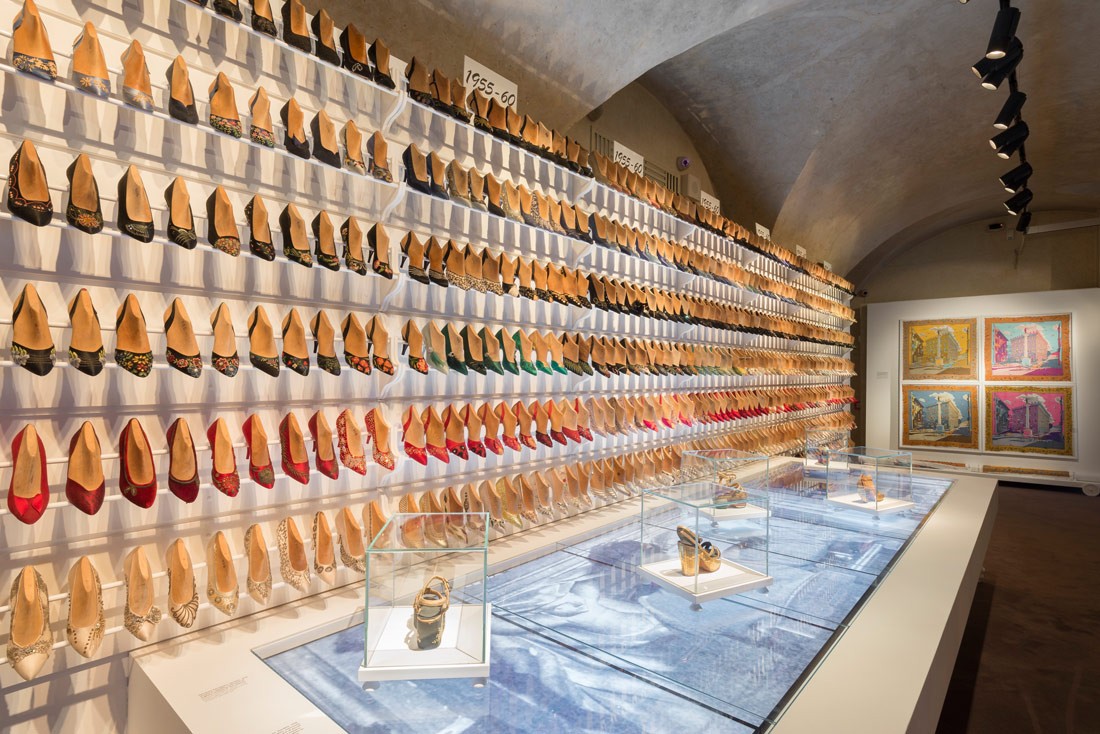
The heart of the Museo Salvatore Ferragamo beats within its extraordinary collection—a staggering 10,000 models crafted by the master himself between the 1920s and his untimely death in 1960, with subsequent additions reflecting the family’s continued dedication to preserving his legacy. This isn't a static display; it’s a vibrant, ever-evolving chronicle of design evolution. Ferragamo wasn’t content to passively follow trends; he actively challenged conventions, pushing the boundaries of what was possible in footwear. His experimentation with materials is legendary—from the daring use of fish skin and cork, chosen for their unique textures and durability, to pioneering techniques in metal reinforcement that ensured both strength and elegance. Each shoe tells a story – a testament to Ferragamo’s relentless curiosity and technical mastery. Visitors can trace his meticulous anatomical studies, which profoundly informed his designs, prioritizing not only aesthetic appeal but also unparalleled comfort—a revolutionary concept at the time. But beyond the sheer brilliance of the techniques, it's the iconic creations that truly captivate: The “Rainbow” platform shoe, famously designed for Judy Garland in 1938, stands as a shimmering symbol of Ferragamo’s ability to translate Hollywood glamour into wearable art—a testament to his understanding of celebrity style and the power of a single, unforgettable design. Other notable pieces reveal collaborations with stars like Marilyn Monroe and Audrey Hepburn, cementing Ferragamo's status as the shoemaker to the silver screen elite – partnerships that transcended mere commissions, becoming true artistic collaborations.
More Than Shoes: Contextualizing a Fashion Revolution
The museum wisely expands its scope beyond footwear, recognizing that Ferragamo’s work was inextricably linked with the cultural currents of his time. Exhibits thoughtfully incorporate films, press cuttings, advertising materials, clothing, and accessories, offering a comprehensive overview of the company's history from the 1950s to the present day. This contextualization is crucial for understanding the broader impact of Ferragamo’s designs—how they reflected changing social norms, empowered women with stylish and comfortable footwear, and contributed significantly to the burgeoning Italian fashion industry. The museum doesn’t shy away from exploring the challenges and triumphs inherent in building a global brand, providing valuable insights into the business acumen that complemented Ferragamo's artistic vision. It is this holistic approach—presenting not just *what* he created but *how* and *why*—that elevates the Museo Salvatore Ferragamo beyond a typical fashion museum, transforming it into a profound exploration of design’s influence on culture and society.
A Unique Destination: Where Art Meets Footwear
What truly distinguishes the Museo Salvatore Ferragamo is its unparalleled dedication to footwear as an art form. While other museums may showcase shoes within broader costume collections, here they take center stage—commanding attention with their exquisite craftsmanship and artistic merit. The focus on innovation, meticulous construction, and the intricate interplay between design and functionality sets it apart. Moreover, the museum’s location within a historic Renaissance palace adds an undeniable layer of cultural richness – a tangible connection to Florence's illustrious past. It’s a place where you can admire the artistry of the past while celebrating the genius of a designer who dared to reimagine the future of footwear. For art lovers, discerning collectors, and interior designers alike, the Museo Salvatore Ferragamo offers a unique opportunity to delve into a world of elegance, innovation, and enduring style—a testament to the transformative power of design itself.