Scottish National Portrait Gallery: A Chronicle of Scotland’s Soul
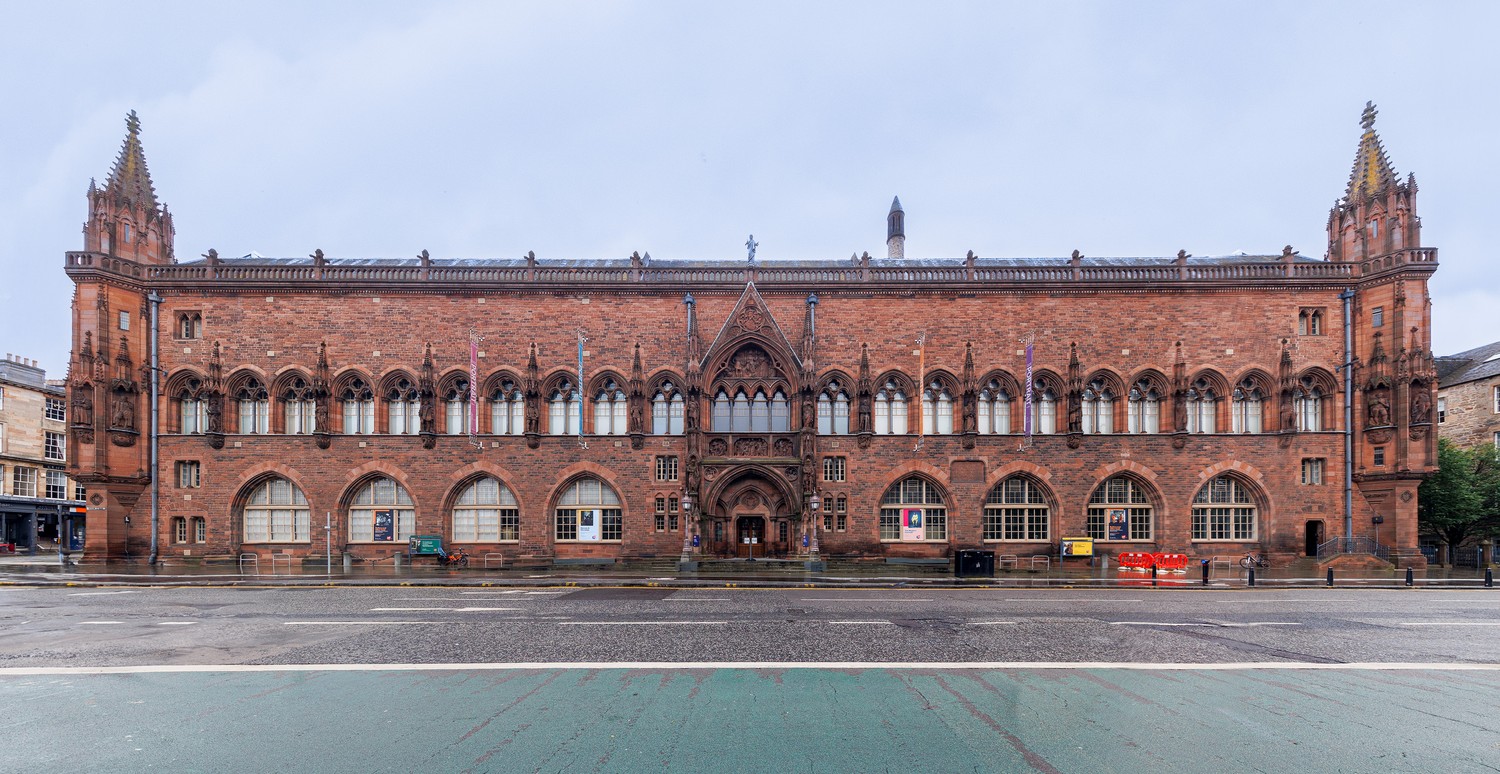
Edinburgh’s skyline is forever marked by a building that transcends mere architectural grandeur – the Scottish National Portrait Gallery. More than just a repository for painted faces, it stands as a meticulously crafted chronicle of a nation, a testament to Scotland's enduring spirit and its complex history. Completed in 1890 within a breathtaking Gothic Revival masterpiece designed by Robert Rowand Anderson, this gallery wasn’t simply built; it was conceived – the first building globally dedicated solely to celebrating national identity through the power of portraiture. The warm red sandstone façade, adorned with intricate carvings that whisper tales of clans and kings, immediately establishes an atmosphere of gravitas, inviting visitors on a journey through centuries of Scottish life. The very stones seem to hold the echoes of poets, pioneers, and those who shaped the nation’s destiny – a profound connection forged between art and heritage. The recent refurbishment in 2011, with its innovative glass lift and restoration of original features, has only amplified this sense of timelessness and accessibility, ensuring that everyone can experience the gallery's remarkable story.
Faces of a Nation: A Collection That Speaks Volumes
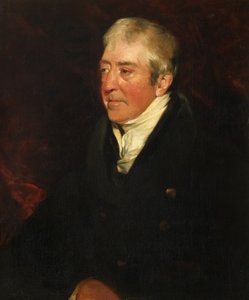
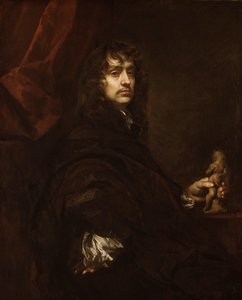
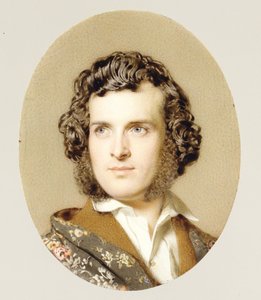
Stepping inside the Scottish National Portrait Gallery is akin to entering a grand hall of ancestors. The collection isn’t merely displayed; it unfolds as a dramatic narrative, spanning from the regal composure of monarchs like Mary Queen of Scots – her intelligence and ambition captured with remarkable detail by Henry Raeburn – to the intellectual intensity of figures such as John Playfair, whose portrait is a testament to his brilliance. The gallery's strength lies not just in its depiction of celebrated figures but also in its embrace of those whose contributions might otherwise be lost to time: scientists, writers, artists, and everyday individuals who collectively define the Scottish spirit. Archibald Skirving’s pastel portraits offer an intimate glimpse into 18th-century society, revealing nuances of character and social standing with delicate precision – a testament to his mastery of capturing human emotion. Beyond painting, the gallery boasts a significant collection of Scottish National Photography, charting the evolution of this art form and its vital role in documenting Scotland’s changing landscape and culture through diverse lenses. This fascinating juxtaposition of traditional portraiture and photographic realism creates a dynamic dialogue between past and present, offering multiple perspectives on what it means to be Scottish.
Architectural Majesty: A Gothic Revival Masterpiece
The building itself is an integral part of the gallery's narrative – a breathtaking example of Gothic Revival architecture designed by Robert Rowand Anderson. Completed in 1890, it’s more than just a structure; it’s a deliberate homage to Scotland’s medieval past, with its warm sandstone façade and elaborate sculptural ornamentation. The soaring ceilings, intricate detailing, and the sheer scale of the Great Hall – adorned with a dazzling ceiling depicting the Zodiac constellations – create an atmosphere of awe and grandeur. The meticulous craftsmanship and attention to detail are a testament to the ambition of the project and the skill of the architects and artisans involved. Even the placement of the gallery within Edinburgh’s city center, near Saint Mary's Cathedral, contributes to its symbolic significance, anchoring it firmly in Scotland’s cultural heart.
A Legacy of Philanthropy and Preservation
The story of the Scottish National Portrait Gallery is inextricably linked to the vision of John Ritchie Findlay, owner of *The Scotsman* newspaper. Recognizing the importance of preserving Scotland's cultural heritage for future generations, he generously donated the funds for the construction of the Queen Street building – a bold statement of intent that transformed a simple collecting society into a world-class institution. This act of philanthropy underscores a deep-seated belief in the power of art to connect us to our past and shape our understanding of the present. The gallery stands as a living testament to Findlay’s foresight, a place where history isn't simply remembered but actively engaged with through the evocative power of portraiture. The Society of Antiquaries of Scotland’s initial collecting efforts laid the foundation for this remarkable collection, demonstrating a commitment to scholarly pursuits and cultural preservation that continues to inform the gallery’s mission today.
Beyond the Canvas: Inspiration for Interior Design
For interior designers seeking inspiration, the Scottish National Portrait Gallery offers a wealth of ideas – a tangible embodiment of elegance, texture, and illumination. The soaring ceilings, ornate details, and carefully curated displays provide a rich source of visual cues. Consider incorporating warm hues reminiscent of the sandstone façade – ochre and terracotta – to reinforce the building’s historic character. Utilize textured fabrics and furnishings – velvet upholstery, antique wooden panels – to complement the gallery's opulent aesthetic. Lighting plays a crucial role in highlighting artwork and enhancing ambiance; recessed spotlights combined with diffused ambient illumination can create an atmosphere of refined sophistication. Finally, explore incorporating elements of Scottish folklore and symbolism into decorative schemes – reflecting Scotland’s rich cultural heritage and enriching the visitor experience. The interplay of light and shadow, the tactile quality of the materials, and the compelling narratives conveyed through the artwork all contribute to a space that is both timelessly beautiful and intellectually stimulating – a true inspiration for those seeking to create spaces that resonate with history and artistry.