
A Legacy Forged in Vision: The Virginia Museum of Fine Arts
Richmond’s heart beats with a vibrant artistic pulse, anchored by the Virginia Museum of Fine Arts (VMFA). More than just a collection of beautiful objects, VMFA is a testament to a remarkable partnership—a harmonious blend of visionary philanthropy and unwavering state commitment. Established in 1936 during the depths of the Great Depression, this institution emerged not merely as a repository for art, but as a deliberate act of cultural enrichment for all Virginians, offering free general admission year-round – a rare and profoundly generous gesture within the realm of major museums.
The museum’s story is interwoven with pivotal moments. The initial spark ignited with Judge John Barton Payne's audacious donation in 1919—a breathtaking assemblage of paintings that laid the very foundation for VMFA’s remarkable journey. However, it was the subsequent acquisition of the Lillian Thomas Pratt Fabergé collection in 1947 and Paul Mellon’s transformative gift of Indian and Himalayan art in 1968 that truly cemented the museum's place on the global stage. These weren’t simply additions to a collection; they were declarations of intent—a commitment to showcasing artistic mastery from across continents and eras, fostering dialogue between cultures, and inspiring generations of art enthusiasts.
A World Within Its Walls: Collection Highlights
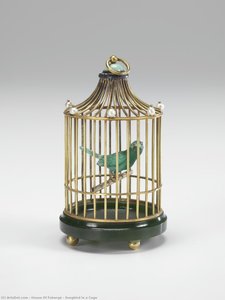
Stepping into VMFA is akin to embarking on a journey through time and across the globe. The museum’s collection is nothing short of astonishing—a sprawling tapestry woven from over 50,000 works spanning nearly 6,000 years of human creativity. At its heart lies the unparalleled Fabergé collection, the largest public assemblage outside Russia, housing over 170 jeweled objects that shimmer with imperial splendor and intricate detail. These aren’t merely decorative pieces; they are miniature masterpieces—testaments to the skill of countless artisans and the opulent legacy of the Romanov court. Beyond the dazzling allure of Fabergé eggs, VMFA boasts significant holdings in American art, from the solemn portraits of colonial America capturing a nation's nascent identity to contemporary expressions reflecting the ever-evolving spirit of the United States. The museum’s African art collection is particularly vibrant, celebrating diverse traditions and creative ingenuity through sculptures that seem to pulse with life, textiles adorned with intricate patterns, and ceramics that tell stories of ancient rituals.
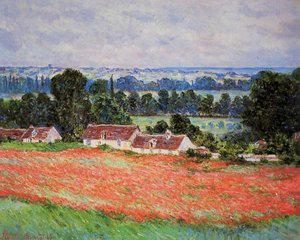
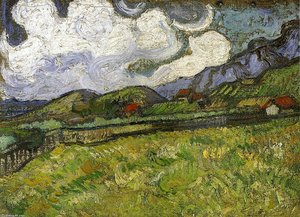
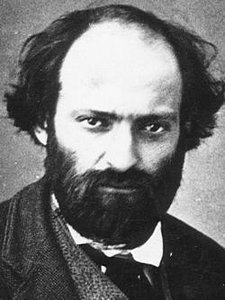
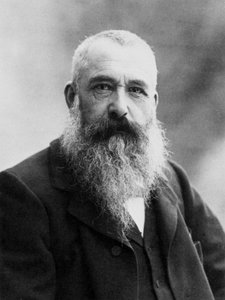
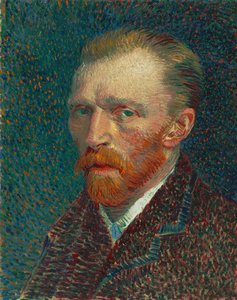
But VMFA's treasures extend far beyond these highlights. Art Nouveau & Art Deco enthusiasts will be captivated by the museum’s exquisite collection—a gift from Sydney and Frances Lewis—featuring furniture, glasswork, and decorative arts that embody the stylistic innovations of the early 20th century. Lovers of Impressionism and Post-Impressionism will find solace in moments of pure visual delight, capturing fleeting impressions of light and color with unparalleled sensitivity – a testament to the transformative influence of artists like Monet, Renoir, Cézanne, and Van Gogh. And finally, VMFA’s Himalayan and South Asian art collections are among the finest in the nation, presenting monumental sculptures and intricate paintings that embody spiritual symbolism and artistic mastery.
A Story Etched in Time: Architectural Echoes & Evolving Spaces
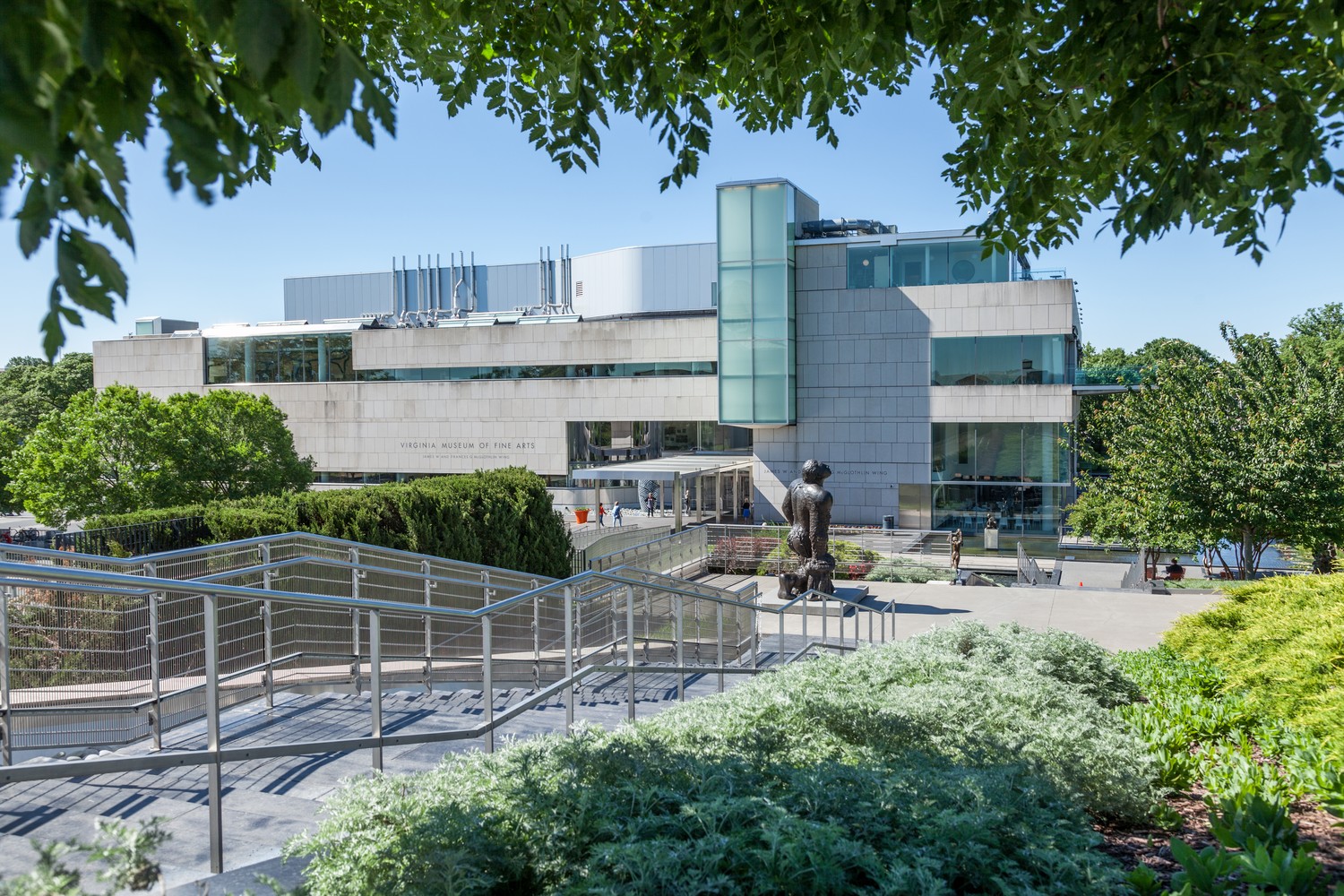
The Virginia Museum of Fine Arts isn't just a building; it’s an integral part of Richmond’s cultural narrative. The original building, designed by the esteemed Peebles and Ferguson Architects in 1936, evokes the grandeur of the English Renaissance—a stately foundation upon which subsequent expansions have gracefully built. This deliberate architectural choice reflects a deep respect for tradition while simultaneously embracing the possibilities of modern design. Each addition – the South Wing in 1970, the North Wing in 1976, and the West Wing in 1985 – has been thoughtfully integrated to complement the original design while providing state-of-the-art gallery spaces, ensuring a seamless flow between historical elegance and contemporary functionality. Walking through VMFA is akin to traversing time, encountering masterpieces within a structure that itself tells a story of enduring cultural significance.
The building’s façade, with its imposing columns and symmetrical design, hints at the treasures held within, while the modern additions offer light-filled spaces designed to showcase art in all its diversity. The museum's commitment to blending historical elegance with contemporary functionality is truly remarkable—a testament to a vision that extends far beyond simply preserving the past.
A Beacon of Engagement: Legacy & Community Roots
The story of VMFA is one woven not just with art, but also with a deep-seated commitment to its community. The museum isn’t merely a place to view art; it's a vibrant hub where creativity flourishes and knowledge thrives. Vibrant educational programs, engaging events, and strategic partnerships bring art into the lives of people throughout the Commonwealth of Virginia and beyond. VMFA stands as a powerful example of how an institution can balance artistic excellence with public service—a beacon of art and inspiration for generations to come.
The museum’s dedication extends to supporting local artists and fostering emerging talent, ensuring that its legacy will continue to evolve for years ahead. Beyond the galleries, VMFA's commitment to accessibility extends beyond free admission and educational programs. The museum actively seeks to engage diverse audiences through innovative exhibitions, community outreach initiatives, and partnerships with local organizations. Notably, VMFA’s Leslie Cheek Theater hosts a variety of performances—from dance and music to theater and film—enriching the cultural landscape of Richmond and attracting visitors from across the region. Rotating special exhibitions bring world-class art to Richmond, fostering intellectual curiosity and broadening perspectives on artistic traditions. Furthermore, VMFA's Sculpture Garden provides an outdoor oasis for contemplation and artistic appreciation—a tranquil space where visitors can immerse themselves in the beauty of monumental sculptures created by renowned artists. And finally, VMFA’s ongoing expansion project—scheduled to conclude in 2025—will create new gallery spaces, improve accessibility, and enhance the visitor experience—solidifying VMFA's position as a cornerstone of Richmond’s cultural identity.