The Renaissance Polymath of Florence
Bernardo Buontalenti, often affectionately remembered by the nickname Bernardo delle Girandole, was a true titan of the Florentine Renaissance, a man whose intellect and creativity knew no singular bounds. Born in Florence, Italy, around 1531, he was far more than a mere painter; he was a master of many disciplines, serving as an architect, stage designer, military engineer, and even a theatrical visionary. His life was inextricably linked to the powerful Medici family, entering their service as a youth and remaining a devoted creator for them throughout his entire career. This patronage allowed him to weave his artistic genius into the very fabric of the Tuscan landscape, leaving an indelible mark on the architectural and cultural identity of his home city.
The breadth of his education was as vast as his ambitions. Buontalenti was a student of the masters, absorbing the nuances of painting from Salviati and Bronzino, honing his sculptural touch under the influence of Michelangelo, and learning the complexities of architecture from Giorgio Vasari. He even delved into the delicate art of miniature painting under Giulio Clovio. This diverse training enabled him to approach every project with a unique, multidisciplinary perspective, blending the structural rigor of an engineer with the aesthetic grace of a fine artist.
Architectural Mastery and Mannerist Splendor
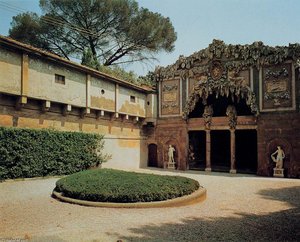
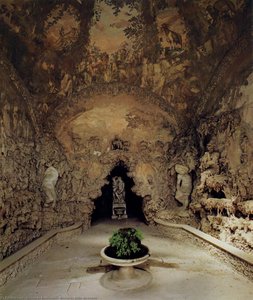
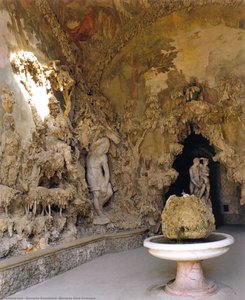
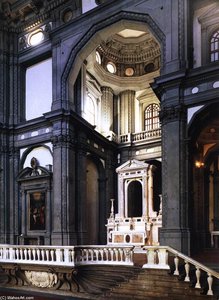
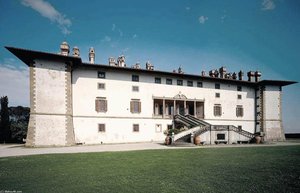
While his skills spanned many fields, Buontalenti is perhaps most celebrated as one of the most significant architects of the Mannerist period. His work embodies the essence of this era, characterized by an embrace of unusual, unconventional forms and a theatrical sense of drama. One of his most breathtaking achievements is found within the Boboli Gardens in Florence, specifically the Grotto Grande. Completed in 1583, this grand grotto serves as a profound testament to his ability to manipulate stone and space. Through intricate carvings and lush frescoes, he created a subterranean environment that feels both naturalistic and otherworldly, evoking a cave-like atmosphere through the masterful use of light and shadow.
His architectural legacy extends far beyond garden ornaments; he was a vital force in urban planning and fortification. His engineering prowess is visible in the formidable defenses of the port of Livorno, as well as the city walls of Pistoia, Grosseto, Prato, Portoferraio, and Naples. Whether designing the Forte di Belvedere in Florence or contributing to the ambitious project for the new city of Livorno, Buontalenti applied a mathematical precision to his structures that ensured both beauty and strength.
A Legacy of Innovation and Spectacle
Beyond the permanence of stone and mortar, Buontalenti was a master of the ephemeral. As a stage designer and theatrical architect, he transformed the Uffizi Palace into a realm of wonder. He designed magnificent court stages and elaborate costumes for Medici festivities, creating immersive worlds that captivated the nobility. His ability to direct large-scale spectacles contributed significantly to the development of modern theatrical design.
Even in the realms of science and daily life, his ingenuity shone brightly. He was a gifted mechanic and mathematician, perfecting designs for cannons and even devising new types of incendiary grenades. Perhaps most charmingly, he is credited with being an innovator in ice conservation, a pursuit that led him to be recognized as the inventor of the precursor to modern Italian ice cream. From the monumental fortifications of Italy to the delicate sweetness of a frozen treat, the influence of Bernardo Buontalenti remains a vibrant part of history, reflecting a life dedicated to the pursuit of excellence across every frontier of human creativity.
კითხვები და პასუხები
რომელ ისტორიულ პერიოდში მოღვაწეობდა ბერნარდო ბუონტალენტი?
ბერნარდო ბუონტალენტი რენესანსი პერიოდში მოღვაწეობდა. ეს ეპოქა ხელოვანის შემოქმედებას ისტორიულ კონტექსტს სვამს.
სად და რა წელს დაიბადა ბერნარდო ბუონტალენტი?
ბერნარდო ბუონტალენტი დაიბადა აუგსბურგი-ში, 1531 წელს.
საიდან არის ბერნარდო ბუონტალენტი?
ბერნარდო ბუონტალენტი დაიბადა გერმანია-ში.