Giovanni Battista Piranesi (1720–1778): The Architect of Dreams
Giovanni Battista Piranesi, born in Mogliano Veneto in 1720, wasn’t merely an artist; he was a transformative force within the artistic landscape of his era. He possessed an unparalleled understanding of architectural form and material—a sensibility nurtured by early exposure to stonemasonry and reinforced through instruction from his uncle, Matteo Lucchesi, a prominent architect tasked with restoring historic buildings in Venice. This unique blend of practical skill and imaginative vision propelled him to become one of the most influential architects, designers, printmakers, and scholars of the eighteenth century—a true pioneer who reshaped perceptions of space and history.
Early Influences and Training
Piranesi’s formative years were marked by a profound engagement with classical antiquity. His brother introduced him to Latin literature and the intellectual currents of his time, fostering an abiding fascination for Greco-Roman civilization—a passion that would permeate his entire artistic career. Crucially, he apprenticed himself under Giuseppe Vasi, Venice's leading printmaker, gaining invaluable experience in mastering the art of etching and engraving. This mentorship proved pivotal, equipping him with the technical prowess necessary to translate his visionary ideas into stunning visual representations.
The Venetian Workshop: A Crucible of Innovation
Piranesi’s time in Venice served as a catalyst for artistic experimentation. He collaborated closely with fellow artists—including Giovanni Paolo Panini and Giuseppe Cibernetto—sharing insights and pushing boundaries within the workshop environment. This collaborative spirit fostered a dynamic exchange of ideas, propelling Piranesi toward groundbreaking achievements that would redefine Venetian printmaking.
The Carceri: Visions of Architectural Sublime
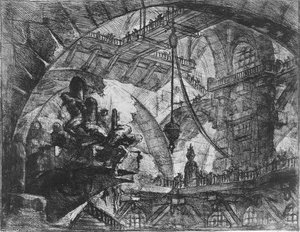
Piranesi’s magnum opus—the Carceri d'Invenzione (Imaginary Prisons)—stands as an unparalleled testament to his artistic genius. Created between 1745 and 1761, these fourteen monumental etchings represent a radical departure from conventional architectural depictions. Rather than portraying actual prisons, Piranesi conjured up colossal labyrinths—towering staircases spiraling into darkness, vast vaults echoing with unseen presences—creating spaces that defied logic and challenged viewers’ perceptions of scale and perspective. The series embodies the Romantic fascination with sublime terror—a deliberate provocation designed to unsettle and inspire awe.
Vedute: Capturing Rome's Essence
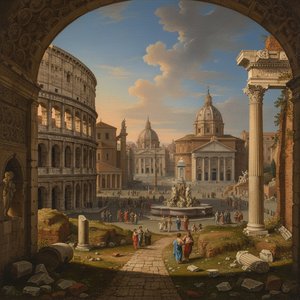
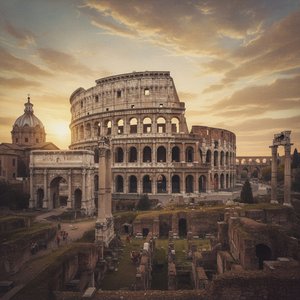
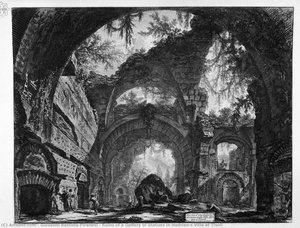
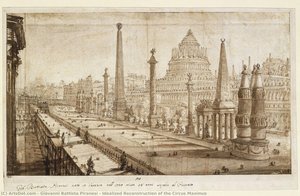
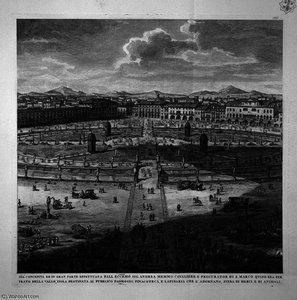
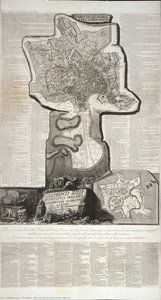
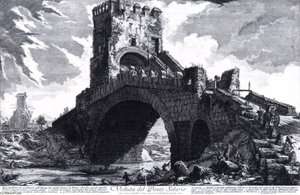
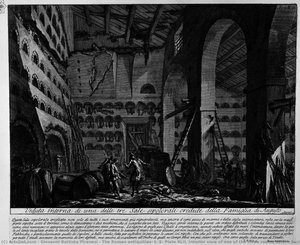
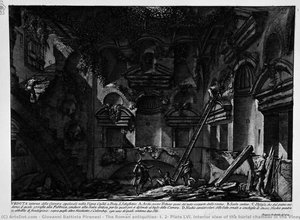
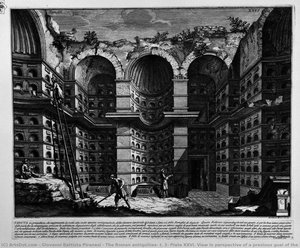
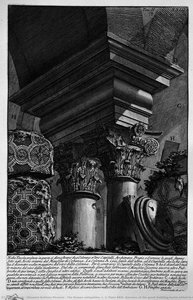
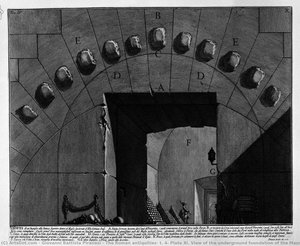
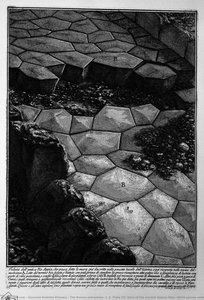
Alongside his fantastical creations, Piranesi produced a vast corpus of *vedute* (views)—detailed etchings documenting the architectural grandeur of Rome. Unlike earlier topographical prints that merely recorded landmarks, Piranesi’s vedute—published over three decades—were meticulously crafted compositions that emphasized monumental scale and dramatic lighting effects. He skillfully reconstructed damaged structures based on his knowledge of ancient building techniques, effectively “completing” Roman ruins for the viewer's eye—a technique that anticipated later developments in architectural representation.
Legacy and Influence
Giovanni Battista Piranesi’s impact on subsequent generations of artists is undeniable. His pioneering approach to etching—characterized by meticulous detail and imaginative spatial illusion—influenced figures as diverse as J.M.W. Turner, Gustave Doré, and Surrealist painters like Giorgio Morandi. Moreover, his profound engagement with classical antiquity—expressed in both his architectural designs and his scholarly pursuits—established him as a cornerstone of Neoclassical thought. Piranesi’s enduring legacy resides not only in his artistic achievements but also in his unwavering conviction that art could illuminate the mysteries of human experience—a belief that continues to resonate powerfully today.
კითხვები და პასუხები
რა ქალაქსა და ქვეყანაში დაიბადა Ջოვანი Բատտիստա Պիրանեզի?
Ջოვანი Բատտիստա Պիրանեզի დაიბადა მოგლიანო ვენეციური-ში, იტალია-ში.
რა ქვეყანაში დაიბადა Ջოვანი Բատտիստա Պիրանեզի?
Ջოვანი Բատտիստա Պիրանեզի დაიბადა იტალია-ში.
სად და რა წელს დაიბადა Ջოვანი Բատտիստա Պիրանեզի?
Ջოვანი Բատտիստա Պիրանեզի დაიბადა მოგლიანო ვენეციური-ში, 1720 წელს.