The Quiet Observer of Oxfordshire
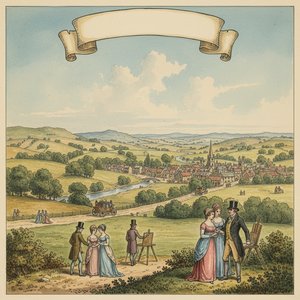
Born in Black Bourton in 1789, William Turner grew up in a world of shifting landscapes and quiet rural life. After his father passed away when he was only two, his mother raised him alongside his two sisters. By the age of fourteen, his life moved toward the manor house at Shipton-on-Cherwell, where he lived with his uncle. It was here that his natural inclination toward drawing began to take shape. He did not seek the dramatic or the chaotic; instead, he found a deep connection to the stillness of the English countryside.
His early years were marked by a steady movement between the intimacy of family life and the growing pull of the professional art world. In 1803, he began living with his uncle, and by 1804, he had moved to London. This period of his life was defined by apprenticeship and the pursuit of technical skill. He studied under John Varley, a man who helped shape his understanding of the delicate medium of watercolor. During these London years, he worked alongside other significant figures of the era, including William Henry Hunt and John Linnell, honing a style that would eventually define his legacy.
A Life in Color and Stone
While many remember the name Turner in relation to the grand, sweeping storms of his contemporary, this William Turner found his strength in the subtle and the serene. He was a man of the Royal Watercolour Society, becoming a full member in 1808 and exhibiting with them every year until he died. His work often focused on the specific geography of the Oxford area, capturing the light and the atmosphere of the local terrain with a precision that felt both personal and permanent.
His life was deeply rooted in the community of Oxford. He married Elizabeth Ilott in 1824 and spent much of his later life in the city, eventually settling at 16 St John Street. His influence extended beyond the canvas and into the very fabric of the local landscape. When the parish church at Shipton-on-Cherwell was demolished, he was the one who provided the design for the new Georgian Gothic Revival structure that stands in its place. He was a man who both observed the world and helped shape it.
His professional achievements include:
- Election as a full member of the Royal Watercolour Society in 1808.
- First public exhibition at the Royal Academy in 1807.
- The design and construction of the church at Shipton-on-Cherwell.
Legacy and Memory
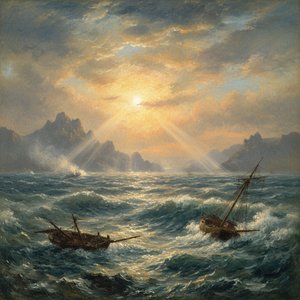
The distinction of being "Turner of Oxford" was a necessity of his time, a way to separate his quiet, landscape-focused watercolors from the more turbulent works of J. M. W. Turner. Yet, this distinction also gave him a unique identity. His paintings are not about the storm, but about the stillness that follows it. His ability to capture the essence of a place through watercolor allowed his work to find a home in significant collections, from the Tate Gallery in London to the Metropolitan Museum of Art in New York.
He passed away in 1862 at his home in St John Street. He and his wife are buried in the Holy Cross parish churchyard at Shipton-on-Cherwell. Today, a blue plaque marks the house where he lived, a small physical reminder of a man who spent his life translating the quiet beauty of the English landscape into lasting form. His work remains held in national and international galleries, preserved for those who seek the calm in a landscape.
კითხვები და პასუხები
საიდან არის უილიამ ტერნერი?
უილიამ ტერნერი დაიბადა გაერთიანებული სამეფო-ში.
რა ქალაქსა და ქვეყანაში დაიბადა უილიამ ტერნერი?
უილიამ ტერნერი დაიბადა ბლეკ ბურნტონი-ში, გაერთიანებული სამეფო-ში.
რომელ ისტორიულ პერიოდში მოღვაწეობდა უილიამ ტერნერი?
უილიამ ტერნერი მე-19 საუკუნე პერიოდში მოღვაწეობდა. ეს ეპოქა ხელოვანის შემოქმედებას ისტორიულ კონტექსტს სვამს.