

A Legacy of Faith and Artistic Splendor
Lichfield Cathedral stands as a profound testament to over thirteen centuries of British history, a magnificent edifice where ecclesiastical devotion seamlessly blends with breathtaking artistic achievement. Located in the heart of Staffordshire, this sacred site invites visitors into a world where the spiritual and the material converge. Its very silhouette is iconic; boasting three soaring spires, it remains one of only three medieval cathedrals in England to achieve such a feat, representing the Holy Trinity and embodying an eternal aspiration for spiritual elevation. To walk through its grounds is to traverse a timeline of human devotion, from its humble origins as a monastic complex to its current status as a masterpiece of Gothic grandeur.
The architectural narrative of the cathedral is one of continuous transformation and meticulous craftsmanship. While its roots are ancient, much of the breathtaking Gothic form seen today emerged between the 12th and 15th centuries, shaped by ambitious visionaries like Roger de Clinton. The intricate stonework and delicate carvings that adorn the interior serve as a silent language of faith, speaking volumes about the skill of the medieval craftsmen who labored to create a space worthy of the divine. This architectural mastery creates an atmosphere of profound stillness and awe, making it a sanctuary for those seeking both historical insight and quiet contemplation.
Treasures of Devotion and Artistry
Beyond its structural magnificence, the cathedral houses a collection of treasures that illuminate the artistic traditions of various eras. These works transform the space into a living gallery where visual storytelling remains as powerful today as it was centuries ago. Notable highlights include:
- The Lichfield Angel: A late 8th-century Anglo-Saxon stone carving discovered in recent decades, standing as one of the rarest surviving examples of painted Anglo-Saxon sculpture and offering a poignant connection to early Christian artistry.
- The St Chad Gospels: Currently on loan from The British Museum, these manuscripts showcase the exquisite craftsmanship and vibrant colours of medieval illuminated manuscripts.
- Monumental Sculptures: A collection of carvings depicting saints and biblical figures that contribute to the cathedral's profound spiritual atmosphere.
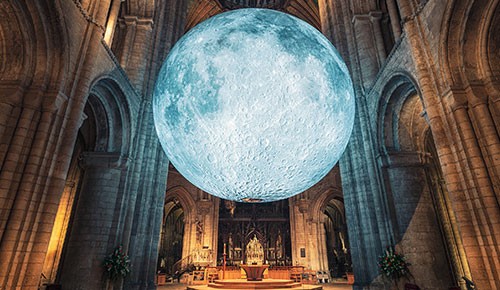
For the art lover and collector, Lichfield Cathedral offers a unique window into the evolution of British landscape and architectural painting. The cathedral has long been a muse for renowned artists such as George Willis Pryce, Thomas Girtin, and Arthur Wilde , whose works capture the diffused light and Gothic majesty of the West Front and its surrounding vistas. These paintings serve as visual chronicles, documenting the cathedral's enduring connection to the cultural landscape of Staffordshire. Whether through the lens of a contemporary exhibition exploring themes of social justice or through the timeless beauty of a classical oil painting, the cathedral remains a vibrant centre of engagement, inviting all who enter to witness the harmonious beauty of history, art, and spirituality.