
Origins and History of the Dallas Museum of Art
The Dallas Museum of Art began in 1903. What started as a small gathering of art aficionados at the Dallas Public Library has grown into a significant institution. It now holds a position as one of the ten largest art museums in the country. This expansion reflects a long-standing commitment to the presence of art within the Dallas community.
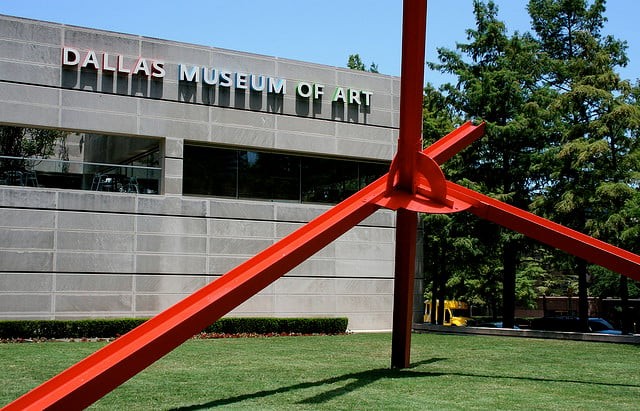
The institution has undergone significant transitions to accommodate its growing holdings. In 1984, the museum moved from its previous location in Fair Park to its current site. This relocation allowed the collection to find a permanent home within the Dallas Arts District. The movement from its early roots to this central urban location marks the evolution of the museum from a local interest group into a major cultural pillar.
The Architecture of the Modernist Building
The structure occupies a significant presence within the Dallas Arts District of downtown Dallas, Texas. Designed by Edward Larrabee Barnes, the building follows a modernist logic that emphasizes clean lines and a sophisticated dialogue with light. It sits along the Woodall Rodgers Freeway, a placement that integrates the institution into the urban movement of the city. The 370,000-square-foot space provides a sense of openness, where the architecture allows for a quiet contemplation of the objects held within its walls.
Light enters the galleries through an intentional arrangement of windows and open floor plans. This natural illumination interacts with the textures of the various materials used in the construction, creating a shifting atmosphere as the day progresses. The design avoids unnecessary ornamentation, focusing instead on the relationship between shadow and substance. It is a space built to breathe alongside the art it contains.
A Diverse and Global Art Collection
The collection encompasses over 24,000 works that trace five millennia of human creativity. These objects exist as physical witnesses to history, spanning from the third millennium BC to the present day. The holdings include significant collections from the ancient Americas, Africa, and South Asia, offering a presence that reaches across vast geographies and eras.
Within the galleries, European and American painting, sculpture, and decorative arts hold a prominent position. One might find themselves standing before the heavy, textured brushwork of a Paul Cézanne oil painting, such as Still Life with Apples, a Bottle and a Milk Pot, dated about 1904. The presence of such works allows for a direct encounter with the evolution of form and color through the centuries.
- I rara te oviri, about 1891 - Eugène Henri Paul Gauguin
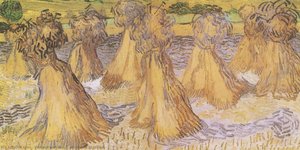
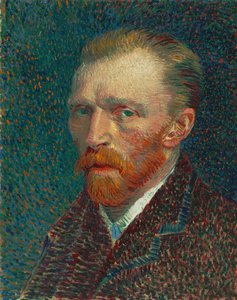
- Sheaves of Wheat, about 1890 - Vincent Willem Van Gogh
- Isabelle Lemonnier with Muff, 1879 - Édouard Manet
- Lighthouse Hill, 1927 - Edward Hopper
The breadth of the collection ensures that the dialogue between different eras remains constant. From the delicate precision of ancient ceramics to the bold, modern gestures of contemporary art, the museum maintains a continuous record of human expression. Each piece provides a specific point of contact with the past, inviting a quiet observation of the materials and methods used by creators across the globe.
Exhibitions and Community Engagement
The museum maintains a dynamic exhibition policy, utilizing rotating displays to bring the permanent collection into constant conversation with contemporary issues. These shifts ensure that the galleries remain in a state of perpetual flux, offering new perspectives on the objects held within the walls. Through these changing arrangements, the institution addresses forgotten histories and current social dialogues, making the space feel active rather than static.
Engagement extends beyond the visual arts through a variety of public programs. The Arts & Letters Live series brings literature and performing arts to the Dallas Arts District, creating a space where different creative disciplines converge. For those who prefer the museum after hours, the Late Night events transform the atmosphere, turning the institution into a social stage for the community. These gatherings foster a sense of connection that persists long after the galleries have closed for the day.
Accessibility remains a fundamental principle of the institution's mission. General admission is free, removing the financial barriers that often separate the public from significant works of art. This openness ensures that the collection remains a shared resource for all visitors. Whether through scholarly research in the Mayer Library or educational programs designed for younger audiences, the museum functions as a catalyst for local engagement.