
Origins and History of the Legion of Honor
The Legion of Honor is a component of the Fine Arts Museums of San Francisco. The institution was established in 1924, following the closure of the Golden Gate Cemetery in 1909. This land, once a city-owned burial ground, provides the foundation for the site. The museum was a gift from Alma de Bretteville Spreckels, the wife of Adolph B. Spreckels.
The museum was dedicated as a memorial to California soldiers lost during World War I. It opened to the public on Armistice Day, November 11, 1924. This timing connected the institution to the period of remembrance following the Great War. The site occupies an elevated position in Lincoln Park, overlooking the Pacific fog and the Golden Gate Bridge.
The Building and its Beaux-Arts Architecture
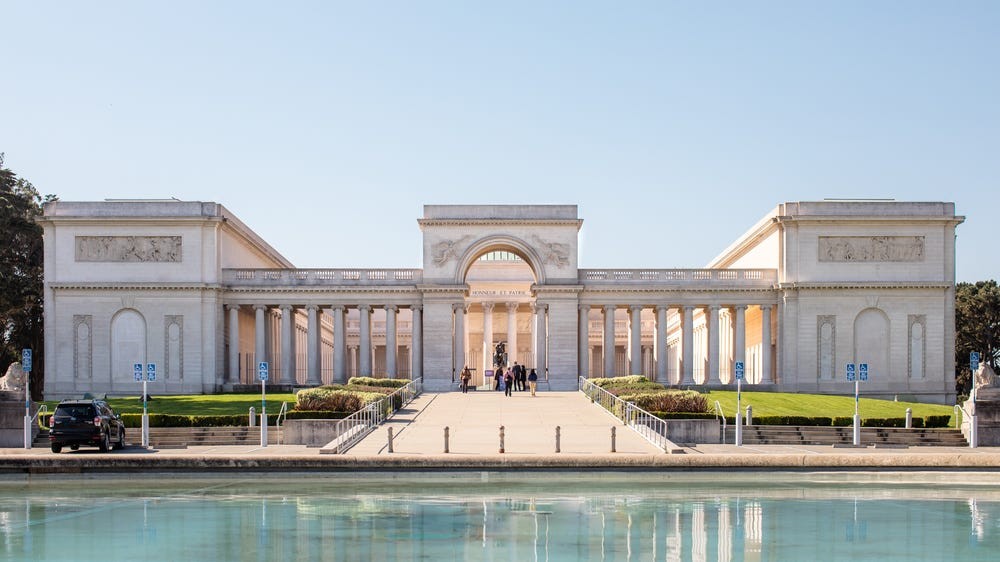
Perched above the Pacific fog in San Francisco, the Legion of Honor occupies a prominent site in Lincoln Park. The structure is a full-scale replica of the French Pavilion from the 1915 Panama–Pacific International Exposition. This design was itself a three-quarter-scale version of the Palais de la Légion d’Honneur in Paris. The architects George Applegarth and Henri Guillaume utilized Beaux-Arts principles to achieve a sense of French refinement and symmetrical proportion.
The architecture provides a formal setting for the art within. Its classical grandeur is shaped by the specific geometry of the original Parisian model. The building's presence is defined by its relationship to the surrounding landscape, overlooking the Golden Gate Bridge and the city skyline. The stone surfaces and colonnades reflect a deliberate attempt to transplant European architectural poise onto American soil.
A Diverse Collection of European Art
The collection spans 4,000 years of human creativity, with a primary focus on European painting, sculpture, and decorative arts. More than 800 European paintings are held here, representing a wide breadth of styles and eras. This selection is complemented by significant works from across the European continent, providing a comprehensive view of the continent's artistic development.
Sculpture remains a central pillar of the institution. The museum houses a large collection of more than 90 Rodin sculptures. These works exist alongside ancient Mediterranean art and various ancient artifacts. The presence of these older pieces provides a foundation for the later European developments found in the galleries.
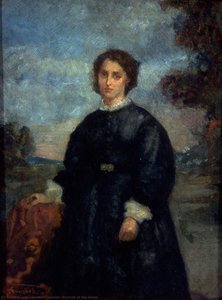
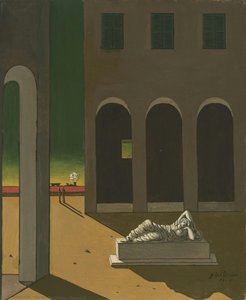
The breadth of the holdings extends to decorative arts and various historical media. Specific examples from the collection include:
- Portrait of a Lady of the Saxon Court as Judith with the Head of Holofernes
- The Foursome
- The Bard
- The Call to Arms, 1879
Masterpieces of the Permanent Collection
The museum holds one of the most significant collections of Auguste Rodin’s work outside of France. This assembly includes a bronze casting of The Thinker and other sculptures that define the artist's approach to form and emotion. The presence of these works allows for a direct study of his influence on modern sculpture.
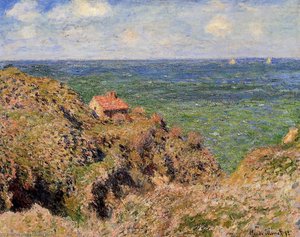
The European painting collection contains significant pieces by Monet and Rembrandt. These works are held alongside a selection of works by Picasso, representing a broad span of artistic development. The collection also features a series of photographs by Ansel Adams, which provide a different perspective on the visual landscape.
- The Thinker, 1888 - Auguste Rodin
- Portrait of a Man - Edgar Degas
- The Fallen Angel, 1890 - Auguste Rodin
Exhibitions and Cultural Programming
The museum maintains a schedule of rotating installations and contemporary exhibitions designed to introduce diverse artistic voices to the public. These programs often feature works that engage with specific cultural or spiritual themes. For example, the institution has presented the altar works of Amalia Mesa-Bains and the serene screen prints of Arthur Okamura. Such installations provide a modern counterpoint to the permanent European collections.
Beyond fixed displays, the museum hosts various events and temporary exhibitions throughout the year. These offerings aim to keep the dialogue between historical traditions and contemporary expression active. The programming is intended to reflect a broad spectrum of human creativity, moving from ancient artifacts to modern installations. This approach ensures the institution remains a relevant site for artistic inquiry and public engagement.