
The History of the Museum of Applied Arts
The Museum of Applied Arts was founded on 7 March 1863. Emperor Franz Joseph I established the institution to bridge the gap between fine art and functional design. This vision was inspired by the model of London’s South Kensington Museum. At its inception, the institution was known as the k. k. Österreichisches Museum für Kunst und Industrie.
Rudolf von Eitelberger served as the museum's first director. Under his leadership, the institution began its mission to integrate artistic training with industrial production. This approach aimed to provide a foundation for both designers and the public. The museum has occupied its current location since 1871.
The Architecture of the Historic Building
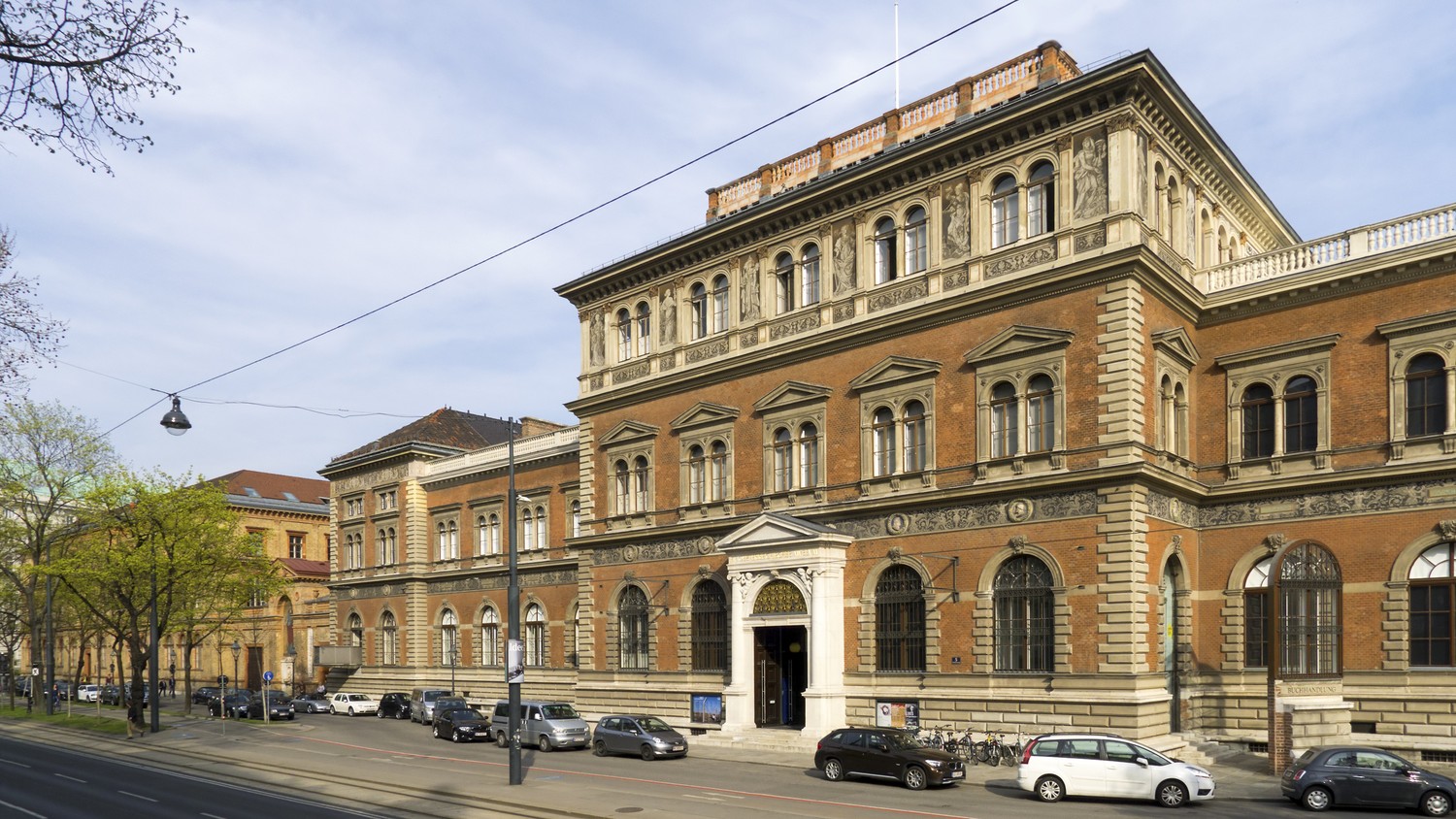
The museum occupies a significant position at Stubenring 5 in Vienna's 1st district, Innere Stadt. The building was designed by Heinrich von Ferstel and was completed in 1871. Since that year, the institution has remained at this current location. The structure reflects a deliberate synthesis of classical elegance and modern utility, providing a permanent vessel for the collections held within its walls.
The exterior undergoes a transformation after sunset through MAKlite, a permanent outdoor light installation by James Turrell. This installation bathes the façade in ethereal glows, altering the appearance of the stone edifice. The interplay of light and architecture ensures the building remains a presence in the urban landscape long after the sun has set.
A Diverse and Vast Collection
The holdings of the Museum of Applied Arts comprise over a million objects and printed works. This extensive assembly includes furniture, glass, china, silver, and textiles. A permanent collection dedicated to Asia is also held within the institution. These items represent a broad spectrum of design and craftsmanship across various eras.
The museum maintains a significant digital presence, with more than 300,000 objects available for viewing online. This digital archive allows for a broader examination of the collection's breadth. Beyond the decorative arts, the museum holds a specialized collection of carpets, contributing to the diversity of its material holdings.
Masterpieces of the Collection
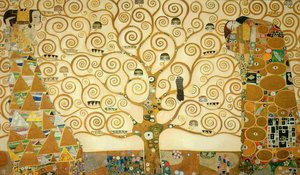
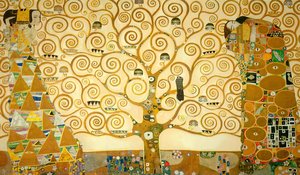
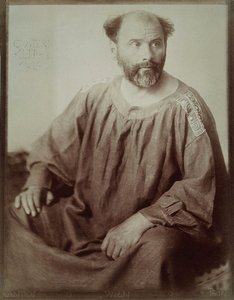
The collection contains significant works from the Secessionist era, particularly those involving the integration of fine art and decorative elements. Gustav Klimt is represented here through his involvement in the Stoclet Frieze, specifically the gilded design intended for the Stoclet Palais in Brussels. This work, created about 1909, exemplifies the Art Nouveau style through its use of gold and intricate patterns. The museum also holds The Tree of Life, a work from about 1909.
Beyond painting, the holdings include precious crafts from the Wiener Werkstätte. These objects reflect the movement's commitment to merging artistic vision with functional design. The museum maintains these pieces to demonstrate the evolution of applied arts through the turn of the century.
- The Tree of Life, about 1909 - Gustav Klimt
- The Tree of Life, Stoclet Frieze, about 1909 - Gustav Klimt
Exhibitions and Contemporary Focus
The museum maintains a dialogue between historical design and modern innovation through its curated programming. The exhibition Vienna 1900 examines the period between 1890 and 1938, focusing on the development of the Viennese style. For those interested in the intersection of art and daily life, the MAK Design Laboratory occupies approximately 2,000 m² in the former Studiensammlung, creating a space where design is examined in relation to contemporary existence. Special collaborations also occur, such as the exhibition Van Cleef & Arpels High Jewelry × Masterpieces from the MAK Collection.
The institution has also positioned itself at the digital frontier. In 2015, the museum became the first to acquire art using Bitcoin, specifically purchasing “Event listeners” by Harm van den Dorpel. This move reflects an ongoing engagement with how technology and new mediums redefine the boundaries of applied arts and digital expression.