


A Sanctuary of Italian Masterpieces: Unveiling the Pinacoteca di Brera
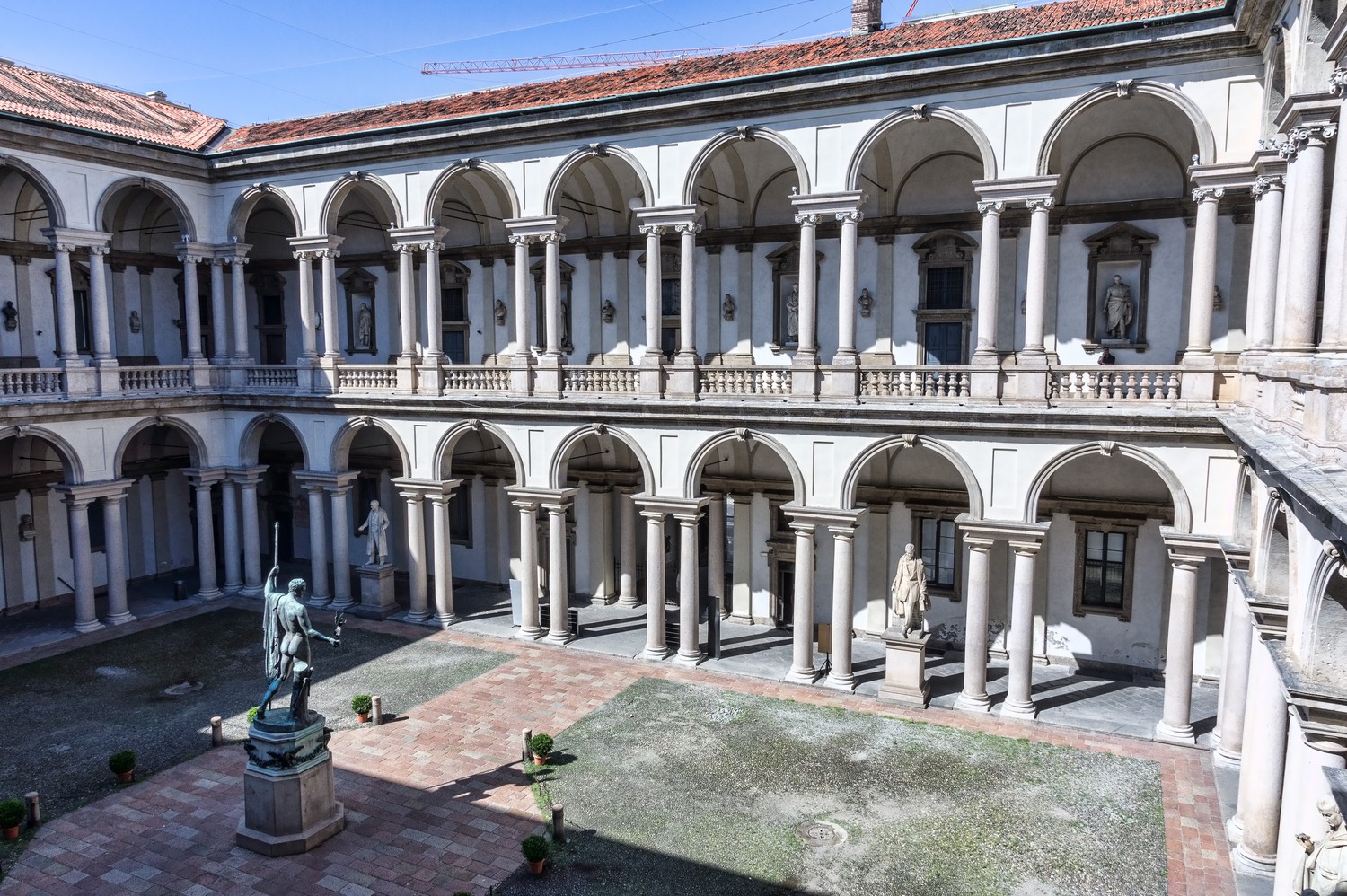
Nestled within the heart of Milan, Italy, the Pinacoteca di Brera is more than merely a museum; it’s an immersive experience, a pilgrimage through centuries of artistic evolution. Originally conceived as a Jesuit convent in the 17th century and dramatically transformed under the visionary hands of Francesco Maria Richini and Giuseppe Piermarini, the Palazzo Brera now stands as a magnificent testament to architectural harmony – a seamless blend of Baroque opulence and Neoclassical grace. Stepping through its grand doors is akin to entering a living narrative, where the echoes of artistic innovation and scholarly pursuit resonate within the very stones, inviting contemplation alongside the masterpieces housed within.
A Chronicle of Transformation: From Convent to Cultural Hub
The Palazzo Brera’s history is as captivating as its artistic treasures. Originally designed as a Jesuit residence, it underwent significant transformations under the guidance of Francesco Maria Richini and later Giuseppe Piermarini, evolving into a vibrant hub for art, science, and culture. The building's architecture is a captivating blend of Baroque and Neoclassical styles – an elegant backdrop that enhances the viewing experience. Constructed as a Jesuit residence and later embellished by Piermarini, it houses an astronomical observatory and served as the seat of the Brera Academy for decades—a space that embodies both artistic grandeur and intellectual fervor. The grand halls, with their soaring ceilings and intricate details, evoke a sense of timeless beauty and scholarly pursuit.
Integral to the Pinacoteca’s Experience is the Palazzo Brera itself – A Magnificent Building That Has Served As Both A Convent And A Cultural Center For Centuries
The Palazzo Brera is not merely a container for art; it *is* art – a testament to the enduring power of beauty and knowledge. Originally conceived as a Jesuit residence, it underwent significant transformations under the guidance of Francesco Maria Richini and later Giuseppe Piermarini, evolving into a vibrant hub for art, science, and culture. The building’s history isn't confined to its artistic function; it has housed an astronomical observatory and served as the seat of the Brera Academy for decades, fostering an environment of intellectual curiosity and civic pride. Its walls whisper tales of scientific breakthroughs and artistic debates—a legacy that continues to inspire visitors today.
A Treasury of Italian Art: Collection Highlights
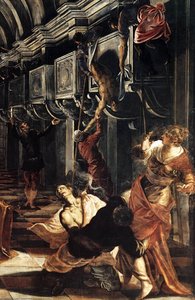
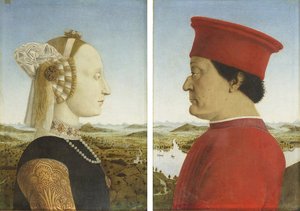
The Pinacoteca boasts an extraordinary assemblage of artworks, spanning from the 13th century to the late 20th. Among its most celebrated treasures are Raphael’s “Sposalizio” (The Marriage of the Virgin), a breathtaking embodiment of Renaissance grace and compositional perfection; Andrea Mantegna's powerfully evocative works imbued with classical gravitas, particularly his depictions of *St.* Sebastian—a poignant meditation on faith and suffering; Piero della Francesca’s geometric precision lending an ethereal quality to his portraits—capturing the essence of humanist ideals. Giovanni Bellini’s Venetian artistry radiates spiritual serenity, reflecting the artistic spirit of its time. Francesco Hayez’s historical paintings – notably “Il Bacio” (The Kiss)—are iconic symbols of Italian romanticism, conveying emotion with masterful brushstrokes and dramatic lighting; Giandomenico Tiepolo's Punchinello scenes—rendered with vibrant color and playful energy—demonstrate his unparalleled fresco artistry—a testament to the skill and vision of a Baroque master. Carlo Francesco Nuvolone (“the Guido of Lombardy”), renowned for his expressive portraits, exemplifies the artistic traditions of Lombardy during its golden age.
Notable Exhibitions & Further Exploration
The Pinacoteca’s programming extends beyond its permanent collection. Recent events have included retrospectives dedicated to Giandomenico Tiepolo, delving into the evolution of his style and artistic vision—illuminating the complexities of Baroque aesthetics. The museum also hosts thematic displays examining Venetian art's influence on European culture, showcasing the vibrant colors and innovative techniques that defined this pivotal period in art history—a celebration of artistic experimentation and cultural exchange. For those seeking a deeper understanding of the Pinacoteca’s collection and its historical context, we encourage visitors to explore the museum’s website at https://pinacotecabrera.org/en/ for information on current exhibitions, events, and educational programs—enriching your experience with insights into Italian art history and its enduring legacy.