
A Convergence of Faith and Form
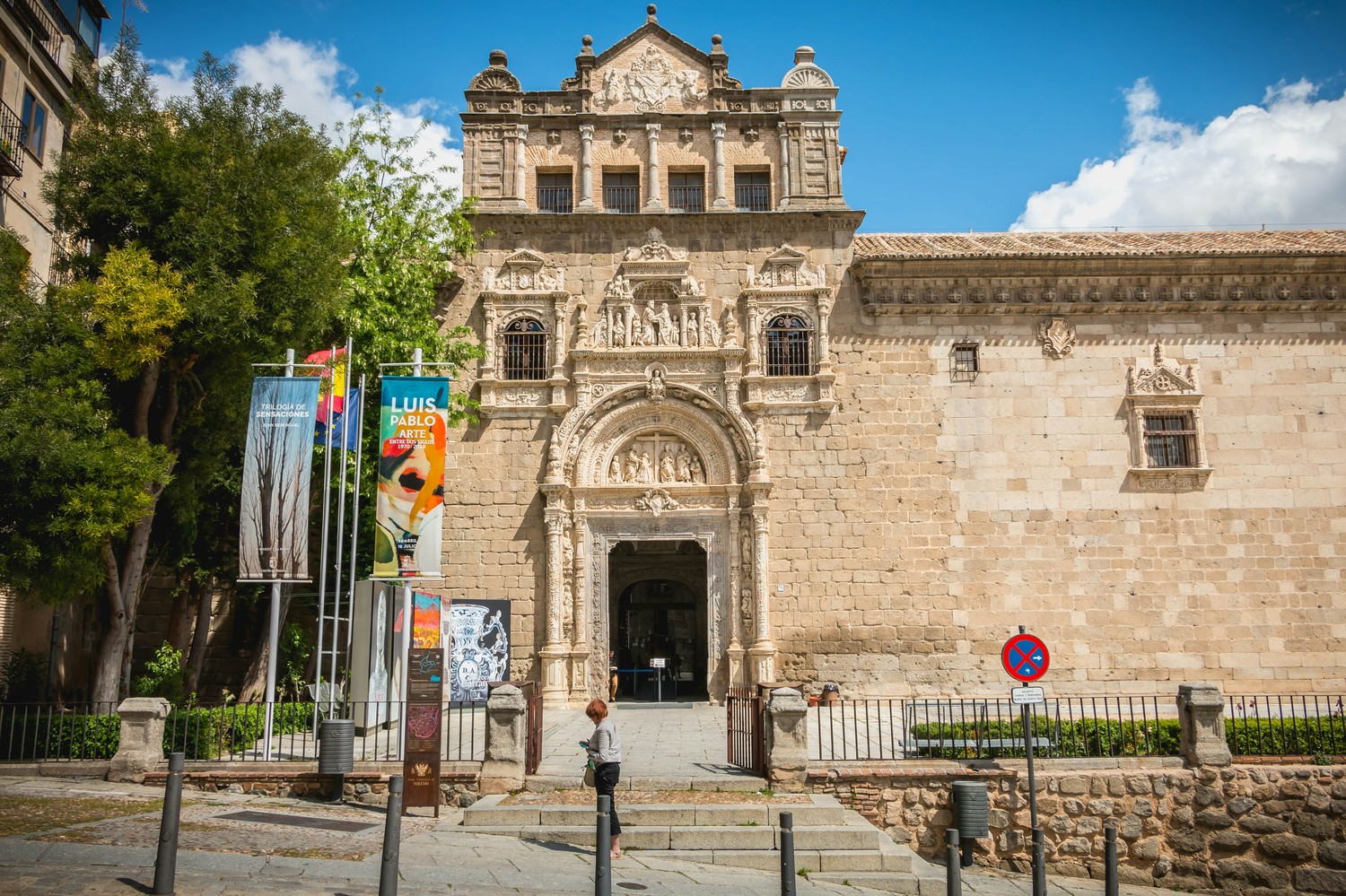
The stones of Santo Tomé in Toledo, Spain, carry the weight of a complex history. Founded in 1085 following the reconquest, the structure has undergone a profound transformation, evolving from a mosque into a Christian sanctuary. This evolution is etched into the very fabric of the building, where Moorish artistry and Christian devotion exist in a quiet, layered coexistence. The architecture reflects this duality, particularly in the soaring Mudéjar tower. Built in the 14th century under the patronage of Gonzalo Ruiz de Toledo, the tower features intricate brickwork and delicate poly-lobed arches. It remains a powerful visual statement of the city's position as a historical nexus where different cultures met and merged.
Inside, the space is defined by three naves and a central crossing, covered by a barrel vault and a polygonal apse. The interior atmosphere is shaped by the interplay of light and shadow, a quality that complements the religious purpose of the site. The presence of a 16th-century baptismal font and various Baroque reredos provides a sense of the evolving aesthetic sensibilities that have occupied this space over the centuries.
The Presence of El Greco
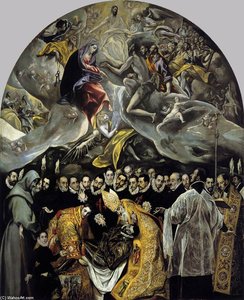
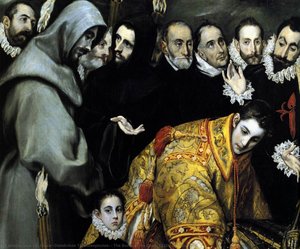
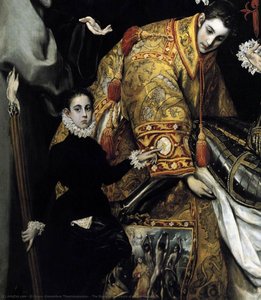
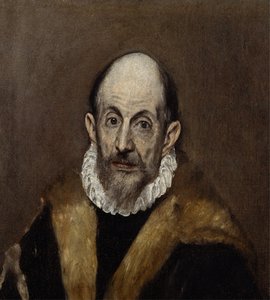
The most profound presence within these walls is El Greco’s 1586 work, The Burial of the Count of Orgaz. This monumental canvas occupies a special room, where its scale and composition demand a specific kind of attention. The painting is divided between the earthly and celestial realms, utilizing elongated figures and a masterful manipulation of light to explore themes of mortality and divine grace. The composition includes prominent citizens of Toledo from that era, embedding the work within the social fabric of the city's history. To stand before it is to witness a profound theological exploration rendered through a unique, expressive vision.
Beyond this central work, the church houses a collection of sculptures from the Renaissance and Baroque periods. These pieces, along with a 12th-century image of the Virgin Mary, offer a glimpse into the artistic currents that have shaped Toledo. The collection is maintained through ongoing restoration efforts, ensuring that the physical integrity of both the architecture and the art remains intact for those who seek to study the nuances of the brushwork and the emotional intensity of the figures.