
Westminster Abbey: A Chronicle Etched in Stone
Westminster Abbey isn’t merely a building; it's an immersive chronicle, a palimpsest etched across centuries. From its humble beginnings as a Benedictine monastery in the 10th century to its current role as the coronation church and final resting place for monarchs, poets, and luminaries of every field, this architectural marvel breathes with the echoes of history. Walking within its hallowed halls is akin to traversing time itself – encountering the solemn processions preceding coronations, the joyous celebrations following royal weddings, and the quiet contemplation that has permeated these spaces for over a thousand years. The very foundations are steeped in legend, tracing back to King Edward the Confessor’s visionary ambition: a grand church dedicated to Saint Peter, a project that indelibly shaped England's spiritual landscape and cultural identity. The Abbey stands as a testament to human aspiration, a physical manifestation of faith striving towards the divine, rendered in stone and illuminated by light.- Architectural Synthesis: Westminster Abbey’s grandeur stems from its layered architectural history. Initially conceived as a monastic settlement, it underwent significant transformations during the Norman era under William I, establishing the foundations for what would become one of England's most iconic structures. Subsequent reigns witnessed ambitious additions and renovations, culminating in the magnificent Gothic cathedral we admire today—primarily spearheaded by Henry III and Edward I.
- The Gothic Masterpiece: The nave’s soaring height – reaching an impressive 237 feet – serves as a deliberate declaration of royal power and spiritual devotion. Intricate tracery adorns the chapel walls, showcasing the pinnacle of Perpendicular Gothic artistry—particularly evident in the Henry VII Chapel, affectionately dubbed “Orbis Miraculum” (the wonder of the world). This chapel’s vibrant mosaics depict biblical narratives and honor saints, reflecting the meticulous craftsmanship of medieval artisans.
A Royal Legacy: Coronations, Poets, and the Weight of History
Westminster Abbey's history is inextricably linked with the British monarchy. Since 1066, it has been the site of every English and British coronation – a tradition underscoring the church’s central role in the nation’s spiritual life. The echoes of royal footsteps resonate through its hallowed halls, from solemn processions preceding coronations to joyous celebrations following weddings. The Coronation Chair, a seemingly simple yet profoundly symbolic object, has borne witness to centuries of regal power and continuity. Its oak frame is adorned with intricate carvings depicting scenes from the Gospels and symbolizes the Holy Spirit descending upon Christ at Pentecost. This chair has been used for every coronation since 1066, and its presence serves as a tangible reminder of the monarchy’s unbroken lineage.Treasures Within: Highlights of the Collection
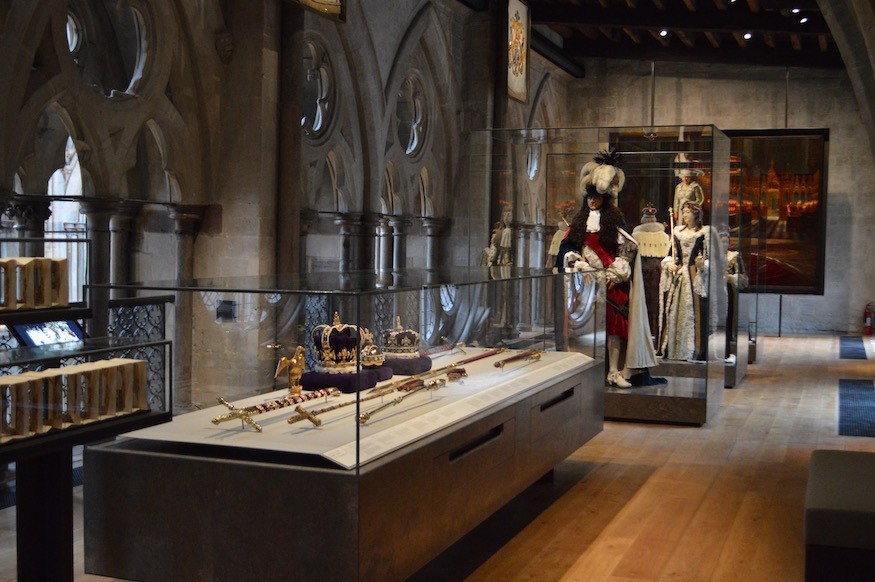
- The Crown Jewels: Among Westminster Abbey’s most treasured possessions are The Crown Jewels – including St Edward's Crown, used exclusively for coronations; The Sovereign’s Orb and Sceptre; and The Imperial State Crown—glittering with diamonds and sapphires. These symbols of royal authority embody centuries of tradition and represent the enduring spirit of British monarchy.
- The Shrine of Saint Edward: Visitors can marvel at The Shrine of Saint Edward the Confessor – housed within a magnificent shrine of gilded silver—a focal point of reverence and pilgrimage. This sacred relic commemorates England’s patron saint and symbolizes spiritual devotion.
Contemporary Engagement & UNESCO Recognition
Westminster Abbey continues to evolve as a vibrant cultural institution, hosting diverse exhibitions and events catering to a wide audience. Recent highlights have included displays showcasing royal artifacts—from crowns and sceptres to ceremonial robes—exploring the Abbey’s architectural history through detailed reconstructions and interactive maps, and celebrating the lives of notable figures associated with the site.
- UNESCO Designation: Recognized by UNESCO in 1986, Westminster Abbey is acknowledged as one of Europe’s most important architectural monuments. Its designation underscores its exceptional universal value—its outstanding contribution to human heritage—and mandates ongoing conservation efforts to safeguard its integrity for future generations.
Visiting Westminster Abbey isn't merely touring a historic site; it's an immersion into the heart of British identity, a journey through centuries of faith, art, and power. It stands as a powerful reminder that even within stone walls, history breathes, stories unfold, and the spirit endures.