Early Life and Artistic Beginnings
- Born: January 10, 1926, Lisbon, Portugal
- Died: May 22, 2018, Lisbon, Portugal
- Júlio Pomar initially studied at the Escola Secundária Artística António Arroio in Lisbon. This early education laid a foundation for his artistic development.
- He entered the Superior School of Fine Arts of Lisbon in 1942, marking a formal beginning to his art training.
- An important early event was the sale of his painting "Saltimbancos" to Almada Negreiros, demonstrating early recognition of his talent.
Neo-Realist Phase and Political Engagement
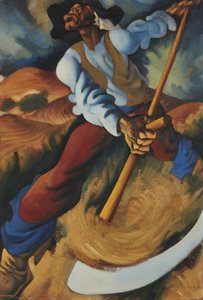
- From 1945 to 1957, Pomar's work underwent a significant shift towards neo-realism. This period was characterized by strong political and ideological engagement.
- "O Almoço do Trolha" (The Lunch of the Trolley), created between 1946 and 1950, is considered a landmark piece of neo-realist painting. It depicted the lives of working-class individuals with raw materiality and anatomical emphasis on hands and feet.
- His art became a vehicle for social commentary, reflecting the realities of Portuguese society during this time.
- He was involved in the Communist Youth movement, which further fueled his politically charged artistic expression.
- The frescoes he painted for Cinema Batalha in Porto were destroyed by the political police in 1948, highlighting the risks associated with his outspoken views.
Artistic Development and Influences
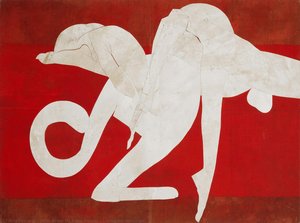
- Pomar's style evolved over time, moving beyond neo-realism to incorporate elements of expressionism and abstraction.
- His move to Paris in 1963 provided a new environment for artistic exploration and growth. He received a scholarship from the Calouste Gulbenkian Foundation between 1964 and 1966, allowing him time to focus on his work.
- Influences included masters of past art such as Uccello, Ingres, Courbet, van Eyck, and Matisse.
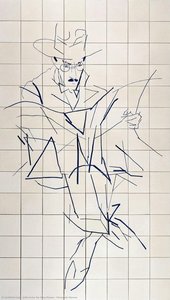
- He demonstrated a versatility across various mediums including painting, drawing, engraving, sculpture, assemblage, illustration, ceramics, glass, tapestry, theater scenography, and tile work.
Major Works and Recognition
- "O Almoço do Trolha" (The Lunch of the Trolley): A defining piece of his neo-realist period.
- Ciclo do Arroz (Rice Cycle): A series of works from 1952-1955 exploring themes related to rice cultivation.
- Resistência (Resistance): A painting that faced political scrutiny and was temporarily apprehended by authorities.
- His work is featured in prominent museums and collections throughout Portugal, including the Museu Nacional de Arte Antiga in Lisbon.
- He received numerous awards and accolades for his contributions to Portuguese art.
Historical Significance
- Júlio Pomar is widely regarded as one of the greatest Portuguese painters of his generation.
- His neo-realist works provided a powerful visual record of social struggles and political realities in Portugal during the mid-20th century.
- He played a significant role in shaping modern Portuguese art, bridging various artistic movements and styles.
- The Atelier-Museu Júlio Pomar in Lisbon serves as a testament to his legacy, preserving and promoting his work for future generations.
Q&A
Julio Silva 작가의 다른 활동명이나 알려진 이름이 있나요?
Julio Silva은(는) Júlio Artur Da Silva Pomar, Julio Silva (escultor), フリオ シルバ, 훌리오 실바, Хулио Силва(으)로도 알려져 있습니다.
Julio Silva은(는) 어느 시대의 작품을 남겼나요?
Julio Silva은(는) Modern 시대에 활동했습니다. 이 시기는 역사적 맥락 속에서 작가의 예술적 위치를 보여줍니다.
Julio Silva의 출생지와 출생 연도는 어떻게 되나요?
Julio Silva은(는) 1930년 Concordia에서 태어났습니다.