George Boone Roupell존 싱글턴 코플리 · 1779
 Acrylic On Canvas
- WallArt
- Neoclassical Portraiture
 1779
1779 디트로이트 미술관
존 싱글턴 코플리 (1738 – 1815)
존 싱글턴 코플리는 미국과 영국을 연결하는 예술가로, 섬세한 디테일과 역사적 장면 표현으로 유명합니다. 그의 걸작들을 만나보세요!
디트로이트 미술관 (Detroit, United States of America)
디트로이트 미술관(DIA)에서 도시의 역사를 담은 세계적인 예술을 만나보세요! 리베라 벽화부터 미국 걸작까지, 다채로운 컬렉션을 통해 디트로이트의 과거와 현재를 경험하세요. DIA 미국 데이비드 Kwiatkowski 디트로이트 디트로이트 미술관 리베라 벽화 120만 명 이상 12,000점 이상의 작품 미술관 1883년 고딕 리바이벌 양식 2 디트로이트 미술관 건물의 주요 건축 양식은 무엇인가요?
A Portrait of Dignified Reserve: Unveiling George Boone Roupell
John Singleton Copley’s “George Boone Roupell,” painted in 1779, isn't merely a likeness; it’s a carefully constructed tableau of colonial identity and restrained elegance. The portrait captures a man – George Boone Roupell himself – standing on what appears to be a rocky precipice, a subtle yet powerful landscape serving as the backdrop for his presence. Copley, a pivotal figure bridging the artistic worlds of England and America, masterfully employed his signature technique: an almost photographic realism combined with a keen understanding of light and shadow, creating a sense of palpable depth and immediacy. The painting’s strength lies not just in its accurate depiction of Roupell's features – the crispness of his jawline, the thoughtful cast of his eyes – but also in the subtle suggestion of character conveyed through posture and expression.
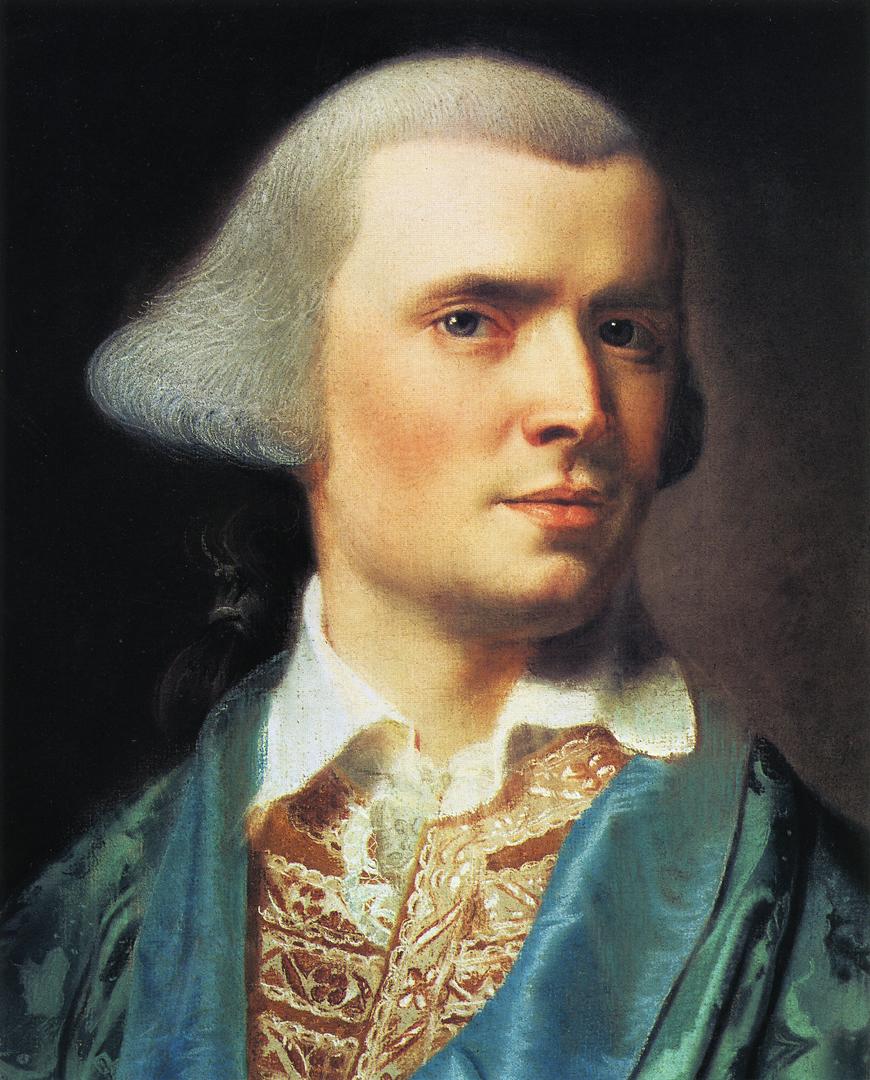
The composition itself is meticulously balanced. Roupell’s dark clothing, a rich burgundy hue, anchors the figure against the lighter tones of the rocky terrain and the distant trees. The stark white stockings and black shoes provide a striking contrast, emphasizing his formality and status within colonial society. Notice how Copley uses light to sculpt Roupell's form – highlighting the texture of his coat, the curve of his hand resting on his walking stick, and the subtle shadows that define his face. This attention to detail speaks volumes about Copley’s dedication to capturing not just appearance but also the very essence of his subject.
The Context of Colonial Portraiture
To fully appreciate “George Boone Roupell,” it's essential to understand the broader context of portrait painting during the late 18th century in America. Portraits weren’t simply decorative; they were powerful statements of wealth, status, and social standing. Commissioning a portrait was an investment – a visible declaration of success and a way to secure one’s legacy. Copley, operating within this framework, skillfully navigated the expectations of his wealthy patrons while simultaneously forging a distinctly American artistic style. His work reflects both the influence of European traditions, particularly those of Sir Thomas Lawrence in England, and a growing desire to represent subjects authentically – capturing not just their outward appearance but also their inner character.
The painting’s setting—a rocky hillside—adds another layer of meaning. It suggests a connection to the land, a grounding force amidst the complexities of colonial life. The distant trees hint at the vastness and potential of America, while the rugged terrain speaks to resilience and fortitude – qualities valued in the early settlers.
Symbolism and Emotional Resonance
Beyond its technical brilliance, “George Boone Roupell” resonates with a quiet dignity and understated confidence. Roupell’s gaze is direct yet not confrontational; his posture suggests self-assuredness without arrogance. The walking stick, a common symbol of authority and experience, reinforces this impression. Copley doesn't offer us a dramatic or theatrical portrait; instead, he presents a carefully observed study of a man – a man of his time, embodying the values and aspirations of colonial society.
The painting’s emotional impact is subtle yet profound. It evokes a sense of stability, tradition, and quiet strength—qualities that are often associated with the early American experience. It's a portrait that invites contemplation, prompting us to consider not just the appearance of George Boone Roupell but also the story he represents.
A Legacy in Reproduction
Reproductions of “George Boone Roupell” offer an accessible way to appreciate Copley’s artistry and the historical context of this remarkable portrait. Whether displayed as a fine art print, canvas reproduction, or even incorporated into interior design schemes, this painting continues to captivate viewers with its technical mastery, nuanced symbolism, and enduring appeal. It serves as a poignant reminder of a pivotal moment in American history—a time of transformation, ambition, and the forging of a new national identity.
작품 정보
- 제목: George Boone Roupell
- 작가: 존 싱글턴 코플리
- 제작 연도: 1779
- 기법: Portrait
- 저작권 상태: 저작권 만료 (퍼블릭 도메인)
- 관람 장소: 디트로이트 미술관
- 동세: Neoclassical Portraiture
- 매체: Acrylic On Canvas
- 매체 유형: WallArt
- 컬러 팔레트: Earthy
작품 정보 요약
- Influences: Copley
- Subject or theme: Portrait of a man
- Location: NMAAHC, Smithsonian
- Movement: Neoclassical
- Medium: Oil on canvas
자주 묻는 질문
"George Boone Roupell"에는 어떤 색상들이 사용되었나요?
"George Boone Roupell"의 색상은 Earthy 팔레트를 이룹니다. 이 분류는 작품을 지배하는 주요 색상군을 나타냅니다.
존 싱글턴 코플리의 "George Boone Roupell"의 색채는 얼마나 조화로운가요?
"George Boone Roupell"의 색채 조화는 Discordant Palette로 표현됩니다.
존 싱글턴 코플리의 "George Boone Roupell"의 원화는 어디에서 감상할 수 있나요?
존 싱글턴 코플리의 "George Boone Roupell"의 원작은 디트로이트 미술관, Detroit, United States of America에 소장되어 있습니다. 복제화를 통해 이 작품을 집에서도 감상하실 수 있습니다.