

Biblioteca Apostolica Vaticana: Unveil the Secrets of Papal Knowledge
Nestled within the heart of Vatican City, the Biblioteca Apostolica Vaticana transcends mere book storage; it embodies centuries of intellectual heritage and serves as a beacon illuminating the Renaissance spirit. Founded in 1475 by Pope Nicholas V—a legacy that extends far beyond its walls—this institution wasn’t simply built to preserve texts but to foster an unwavering devotion to classical learning, establishing itself as one of the world's foremost research centers.
Architectural Marvel: Sixtus IV’s Vision for Eternal Learning
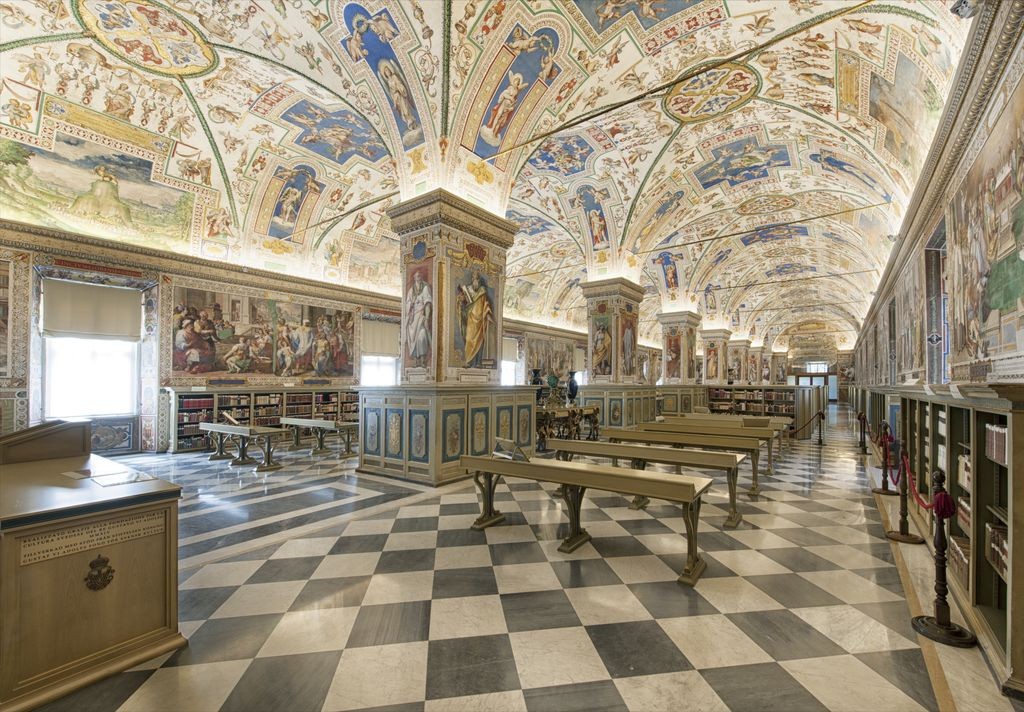
Pope Sixtus IV commissioned the Biblioteca Apostolica’s magnificent edifice, reflecting Renaissance ideals of harmony and proportion. Architects skillfully blended Romanesque and Gothic elements—creating a space that is both imposing and inviting—with intricate frescoes depicting mythological narratives and biblical scenes. Light floods through arched windows, bathing reading rooms in a serene glow, fostering contemplation and discovery.
Treasures Within Walls: A Collection Beyond Imagination
Over 75,000 codices – handwritten manuscripts representing an astonishing spectrum of knowledge from antiquity to the modern era – constitute the Biblioteca’s core collection. These aren't merely documents; they are tangible artifacts imbued with the spirit of their creators—illuminated by the hands of skilled scribes and artists. Imagine the meticulous hours spent rendering every detail, from the folds of a robe to the expression on a saint’s face—these manuscripts offer unparalleled glimpses into vanished worlds.
A Universe Captured in Print: Incunabula and Historical Documents
Beyond these invaluable codices, the Biblioteca boasts an astounding 1.1 million printed books, including rare incunabula – books printed before 1501 – providing unprecedented insights into printing’s evolution. Furthermore, papal bulls, treaties, personal correspondence, and legal texts illuminate pivotal moments in history, shaping our understanding of the past.
Embracing Innovation: IIIF and Digital Exploration
Recognizing the importance of accessibility, the Biblioteca embraced modern technology with the implementation of IIIF (International Image Interoperability Framework), allowing users to zoom in on intricate details, compare different versions of texts, and even add their own annotations—fostering a dynamic and interactive experience with these historical artifacts. This commitment ensures that Vatican City’s intellectual legacy continues to inspire generations to come.