


The Vestiges of the Dukes
The Musée Barrois occupies the remains of the former castle of the Dukes of Bar and Lorraine, situated within the historic Ville haute district of Bar-le-Duc, France. This structure, a listed Monument Historique, holds a presence that reflects its origins as a seat of power. The architecture itself carries the weight of the past, with the museum integrated into the castle's stones since 1974. It functions as an encyclopedic repository, gathering diverse forms of human production from the Middle Ages through to the 20th century.
The atmosphere within the walls is one of quiet accumulation. The collection spans a vast chronological range, moving from the ancient artifacts of Nasium to the ethnographic curiosities of distant lands. It is a place where the local history of the Meuse region meets the broader movements of global art and natural history.
A Collection of Diverse Origins
The holdings within the museum are varied, reflecting an ambition to capture the breadth of human creativity and the natural world. The paintings and sculptures are distributed across thirteen rooms, each holding a specific fragment of history. The following items represent the presence of the museum's catalog:
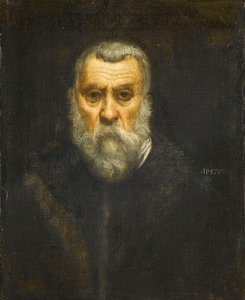
- Portrait of a Man, 1550 - Jacopo Tintoretto
- Saint Jerome, 1650 - Jacques Blanchard
- Full-Length Portrait of Marshal Gérard, 1833 - Charles-Philippe Larivière
- Daughter of Louis XV as Diana (Princess Louise Elisabeth), 1710 - Jean-Marc Nattier
- Medea, 1876 - Aimé Morot
- Ruins from the Ancient Baths in Nîmes - Charles Louis Clerisseau
- View of a Village Church, 1650 - Mathys Schoevaerdts
Beyond the canvas, the museum preserves the material culture of many societies. This includes a 12th-century Taíno zemi, a wooden sculpture that remains a significant relic of the Caribbean peoples. The ethnographic section brings together objects from Africa, Oceania, the Far East, and the Maghreb, offering a glimpse into the rites and daily lives of non-Western cultures. Alongside these are weapons, armor, and Islettes earthenware, which ground the collection in the specificities of local craftsmanship and warfare.
The Materiality of History
The museum's identity is tied to the physical objects it protects, from the delicate Islettes ceramics to the heavy presence of archaeological finds from the ancient Nasium. It is a space where the natural history specimens sit in dialogue with the works of sculptors like Ligier Richier and Jean Robert dit Ipoustéguy. Even in its current state of closure for renovations, the building remains a central part of the Bar-le-Duc landscape, holding its treasures within the historic fabric of the castle.


