



A Tapestry of Time: Exploring England’s Heritage Through Its Historic Sites
Step into a realm where centuries whisper from weathered stones and vibrant tapestries unfold across landscapes steeped in legend. English Heritage isn't merely a collection of buildings; it’s a profound journey through the narrative of England itself, meticulously preserved and passionately presented. From the imposing ramparts of Dover Castle, guarding the Channel for over two millennia, to the delicate beauty of Marble Hill House, a Georgian gem nestled by the Thames, each site offers a unique window into the nation's soul. This organization safeguards not just bricks and mortar, but the very stories woven into the fabric of English identity – tales of conquest, innovation, artistry, and resilience.
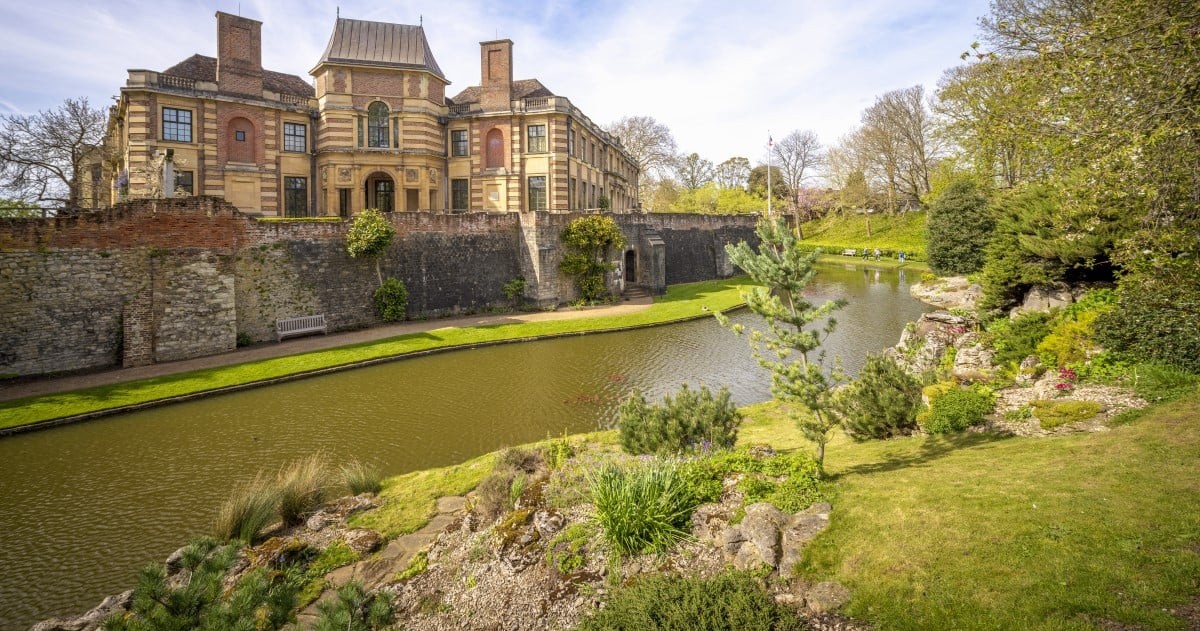
The heart of English Heritage’s mission lies in its diverse portfolio. You might stand within the echoing halls of Eltham Palace, a breathtaking juxtaposition of medieval ruins and an Art Deco masterpiece, a testament to shifting tastes and generations. Or perhaps you'll wander through the vast grounds of Audley End, where meticulously crafted gardens reveal the opulent lifestyle of the aristocracy. Consider the strategic importance of Tintagel Castle, shrouded in myth and legend, or the poignant beauty of St Mary’s Abbey in York – each location a carefully curated experience designed to transport visitors back in time. The sheer breadth of their holdings—prehistoric monuments like Stonehenge, Roman forts, and Victorian industrial sites—demonstrates an unwavering commitment to preserving England's entire historical landscape.
The Evolution of Preservation: From Ancient Monuments to Modern Engagement
The story of English Heritage is inextricably linked to the evolving understanding of cultural preservation. Its roots trace back to the late 19th century, when initial legislation began protecting ancient monuments – a recognition that these sites held value beyond their material form. The formal establishment in 1984 consolidated various government bodies under one umbrella, streamlining expertise and resources. This commitment extends far beyond grand estates; it encompasses prehistoric wonders like Stonehenge, shrouded in mystery and enduring appeal, as well as the poignant London blue plaques—subtle yet powerful reminders of individuals who have left their mark on the city’s cultural landscape. The organization's transformation into a charity in 2015, while maintaining state ownership of the properties, signaled a renewed focus on public engagement and sustainable preservation – a commitment to ensuring these treasures remain accessible for generations to come.
Crucially, English Heritage isn’t simply about static preservation. They actively collaborate with local communities in conservation efforts, fostering a sense of ownership and pride in England's shared heritage. This extends beyond the physical sites themselves; they are dedicated to making history accessible through engaging exhibits, educational programs, and events designed for all ages. Recent initiatives, like the playful partnership with Taskmaster—incorporating games into site visits—demonstrate an innovative approach to attracting families and encouraging interaction with history in unexpected ways. The display of Vermeer’s *The Guitar Player* alongside its lesser-known counterpart at Kenwood House exemplifies a dedication to showcasing rarely seen treasures and fostering deeper appreciation for artistic mastery, revealing the nuances within established canons.
Notable Sites & Collections Highlights
Dover Castle stands as a sentinel of British history, commanding the Channel with unwavering fortitude. Its formidable walls bear witness to centuries of sieges and royal dramas—a tangible connection to figures like William Rufus and Henry II. Marble Hill House, commissioned by George III during his Georgian reign, embodies elegance and sophistication, showcasing exquisite interiors adorned with Rococo motifs.
Architectural Legacy & Artistic Expression
Stonehenge’s megaliths resonate with primal energy—a testament to the ingenuity of Neolithic builders. The intricate carvings adorning Tintagel Castle whisper tales of Arthurian legend and Celtic spirituality. Kenwood House, transformed by William Howard, Viscount Andover, showcases a harmonious blend of Palladian architecture and landscaped gardens.
Engaging Experiences & Contemporary Relevance
English Heritage’s commitment to public engagement extends beyond traditional museum displays—embracing interactive installations and educational programs that captivate audiences of all ages. The organization strives to illuminate the enduring significance of England's heritage in shaping our understanding of the past and informing our vision for the future.