Turinio sąrašas
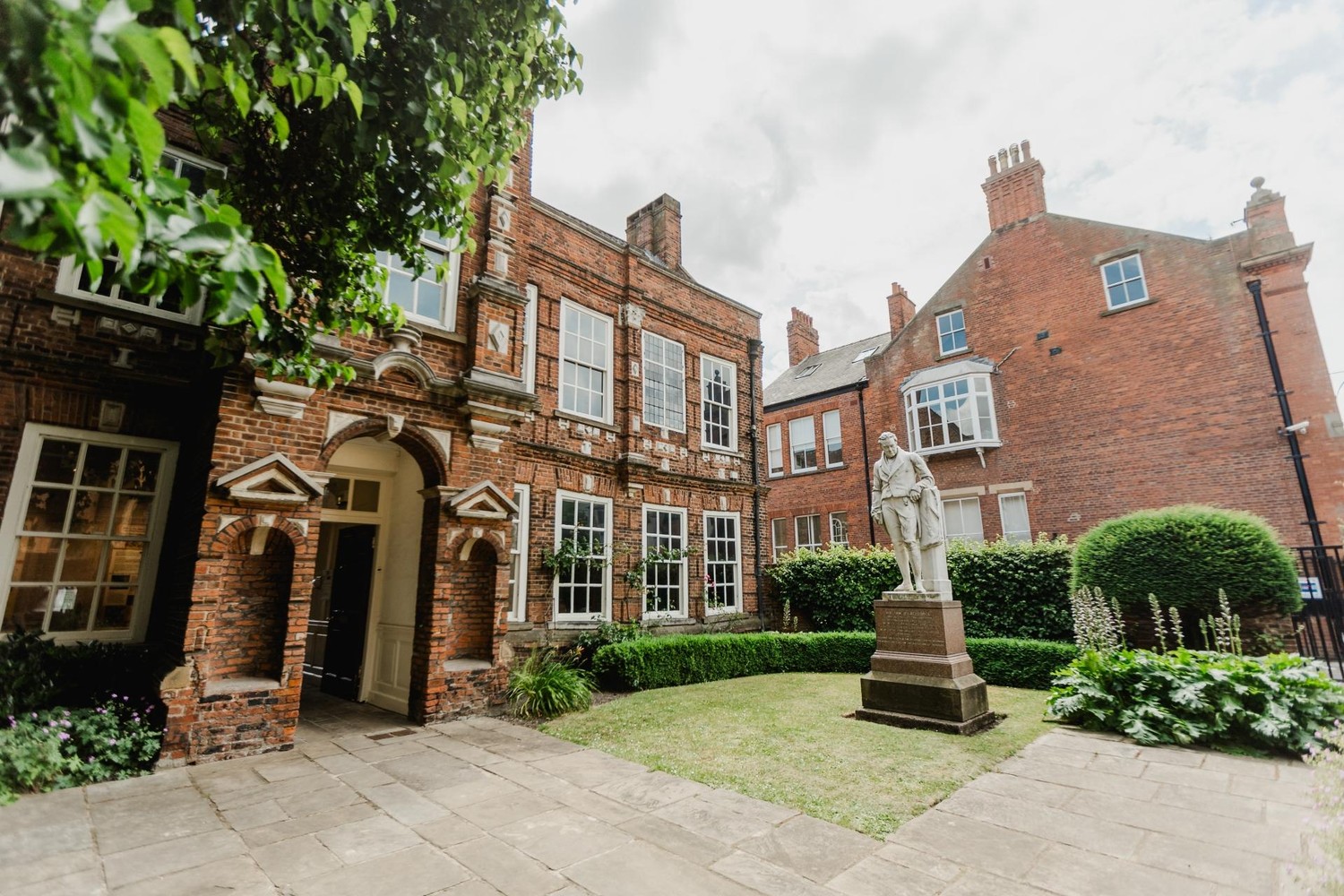
Pagrindinė informacija
- Works on APS: 9
- Location: Hull, United Kingdom
- Featured artists:
- Frederick William Elwell
- Vincent Galloway
- Stuart Henry Bell
- Franz Cleyn
- Karl Anton Hickel
- Alternate names:
- Wilberforce House Museum
- Wilberforce House
- Hull Wilberforce
- Movements: romanticism
Eksponuojami menininkai
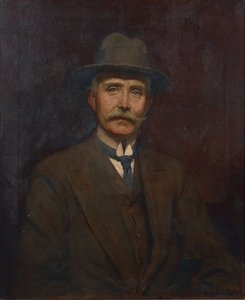
Frederick William Elwell
Tyrinėkite Frederick William Elwell – anglo britų paveikslautojo, garsėjantį realističiniu stiliumi ir Jorkšyro vaizdais, portretus bei peizažus. Atraskite Karališkosios akademijos nario kūrybinę paliktį.


Vincent Galloway
Explore Vincent Galloway's evocative portraits of British figures – Sir Frank Finn, Alderman Isaac Robinson & more! Capturing character & history through masterful realism.

Stuart Henry Bell
Explore the evocative landscapes of Stuart Henry Bell! This Florida artist’s Mus3ums paintings capture serene scenes & coastal beauty, reflecting a unique regional perspective.
Meno viktorina
Kiekvienas klausimas turi tik vieną teisingą atsakymą.
Klausimas 1:
What is Wilberforce House Museum primarily known for?
Klausimas 2:
The Georgian townhouse architecture of Wilberforce House reflects:
Klausimas 3:
Recent renovations at Wilberforce House Museum have aimed to:
Klausimas 4:
What prominent item housed in Wilberforce House Museum illustrates the brutality of the transatlantic slave trade?
Klausimas 5:
Wilberforce House Museum’s location within Hull's Museums Quarter contributes to its significance by:
Susiję straipsniai

The Curator's Edge: How Designers Use Museum-Grade Reproductions to Elevate Luxury Hospitality Interiors
Discover how elite designers use museum-grade, hand-painted reproductions to create immersive luxury hospitality experiences. Learn the art of integrating historical masterpieces and custom murals to establish prestige, narrative depth, and timeless elegance in high-end hotel interiors.
25 Must-See Masterpieces at Tate Britain: A Journey Through British Art History
Embark on a visual journey through Tate Britain’s finest. From Turner's luminous landscapes to Pre-Raphaelite gems, explore 25 iconic masterpieces and find museum-quality art reproductions for your home. Discover all masterpieces on Mus3ums.com.
25 Must-See Masterpieces at the British Museum: A Journey Through Human History
Embark on a journey through time with the 25 most iconic masterpieces of the British Museum. From ancient sculptures to legendary artifacts, explore the stories behind these timeless treasures and find museum-quality art inspiration. Discover all masterpieces on Mus3ums.com.
Kūrybos darbų sąrašas
Eksponatų nerasta.
© 2026 mus3ums.com