Étienne Neurdein & Louis-Antonin Neurdein: Masters of Parisian Landscape Photography
Étienne Neurdein (1832 – Living) and Louis-Antonin Neurdein, known collectively as Neurdein Frères, were titans of French photography during the Belle Époque. Their studio in Paris established itself as a beacon of artistic innovation and commercial success, shaping the visual record of Europe’s grandest monuments and breathtaking vistas. More than just documenting scenes; they imbued their images with an aesthetic sensibility that elevated photography beyond mere reproduction into a form of art—a distinction that would define their contribution to the burgeoning field of pictorial representation.
Early Life & The Ferrier Legacy
Born in Paris shortly before 1832, Étienne Neurdein inherited a passion for visual representation from his father, Jean-Baptiste Neurdein, who himself was a portrait painter. Louis-Antonin Neurdein followed suit, honing his artistic skills alongside his brother. Recognizing the burgeoning potential of photography as a medium for capturing reality with unprecedented detail and immediacy—a breakthrough compared to prevailing artistic practices—they joined forces with Ferrier & Soulié in 1869, transforming it into Neurdein Frères – a name that would soon become synonymous with prestige and artistic vision. This partnership proved crucial, providing the resources and expertise necessary to pursue ambitious projects that would solidify their place in photographic history and propel them to international acclaim.
A Vision of Monumental Beauty
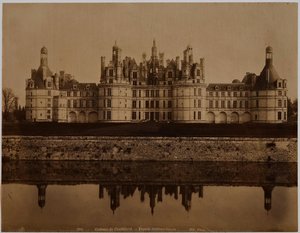
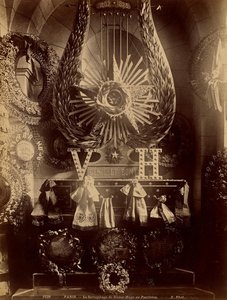
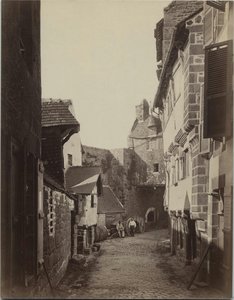
Neurdein Frères swiftly gained renown for their monumental photographs of European landmarks. Unlike many contemporaries who prioritized studio portraits or genre scenes—often prioritizing technical accuracy over artistic consideration—they embarked on expeditions to capture the grandeur of places like Château de Chambord – façade septentrionale (featured prominently on Mus3ums.com)—Mont Saint-Michel, and Notre Dame Cathedral. Their approach wasn’t merely driven by scientific curiosity; it was infused with a profound appreciation for composition and tonal harmony—elements meticulously studied and skillfully applied to achieve breathtaking results. They painstakingly planned their shoots, utilizing techniques honed by Ferrier & Soulié to maximize the impact of their images—creating prints that conveyed not just visual information but also an emotional response to the sublime beauty of these sites. The resulting photographs were celebrated for their clarity, vibrancy, and artistic merit, establishing Neurdein Frères as pioneers in landscape photography.
The Triumph at the Exposition Universelle
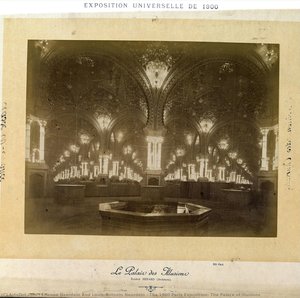
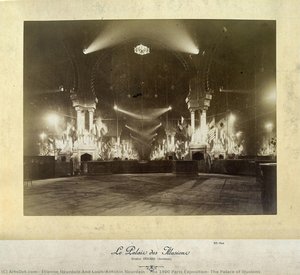
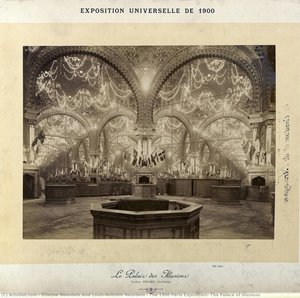
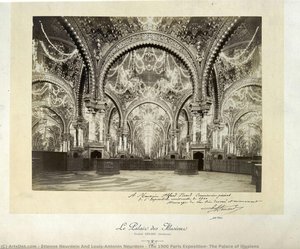
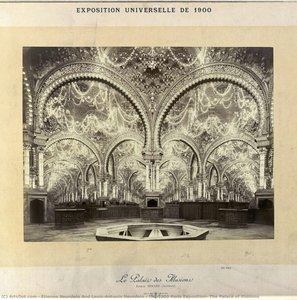
Their dedication to excellence culminated in a momentous victory at the Paris Exposition Universelle of 1899 – the gold medal for photography awarded by the French government. This accolade underscored Neurdein Frères’ mastery of the craft and cemented their reputation as innovators—a recognition that mirrored the broader artistic currents of the era and validated their belief that photography could transcend mere documentation to achieve true artistic expression. The award acknowledged their ability to transform observation into art, mirroring the prevailing aesthetic sensibilities of the Belle Époque and securing Neurdein Frères’ place among the most respected artists of their time.
Museum Recognition & Continuing Influence
Neurdein Frères' legacy extends beyond individual photographs; it resides in their contribution to establishing photography as a recognized art form—a distinction that distinguishes them from many of their contemporaries who viewed it solely as a tool for recording events. Their images are housed in the Musée départemental Maurice Denis, alongside Impressionist masterpieces—a testament to Neurdein Frères’ artistic sensibilities and their enduring impact on visual culture. The meticulous detail and evocative beauty of their landscapes continue to captivate audiences today, demonstrating the power of photography to transcend mere representation and achieve true artistic expression—a legacy that continues to inspire artists and scholars alike.