
Een Poort naar het Onderbewuste: Het Magritte Museum
Genesteld in de historische grandeur van het Hôtel du Lotto in Brussel, dient het Magritte Museum als een diepgaande toevluchtsoord voor wie de mysteries van de menselijke psyche wil ontrafelen. Dit is niet louter een galerie van statische beelden, maar een meeslepende reis door de surrealistische visie van René Magritte, een Belgische meester wiens werk onze perceptie van de werkelijkheid nog steeds uitdaagt. Zodra bezoekers door de deuren stappen, laten zij de voorspelbare logica van de buitenwereld achter zich en betreden zij een rijk waar de grenzen tussen droom en waaktoestand oplossen in een naadloos, spookachtig mooi weefsel van gedachten.
Het hart van deze instelling klopt door haar ongeëvenaarde collectie, die de grootste ter wereld is die zich uitsluitend wijdt aan het buitengewone oeuvre van Magritte. Een wandeling door deze zalen is getuigen van de meesterschap van de kunstenaar over de contradictie. Men kan zichzelf betoverd vinden door “De Terugkeer,” een monumentaal werk waarin minutieuze, bijna academische details worden gebruikt om verontrustende vervormingen weer te geven die tot diepe contemplatie aanzetten. De collectie ademt de spanning van tegenpolen, het meest opvallend in werken zoals “Scheherazade” en het iconische “Het Rijk der Lichten.” In deze meesterwerken speelt Magritte met de dualiteit van daglicht en duisternis, waardoor hij een visuele metafoor creëert voor de menselijke conditie, waarbij een zonovergoten hemel rust op een nachtelijk straatbeeld, wat de kijker dwingt de stabiliteit van de eigen zintuigen in twijfel te trekken. Naast de voltooide doeken biedt het museum een intiem kijkje in de creatieve hartslag van de kunstenaar door een overvloed aan schetsen, gouaches en experimentele foto's die zijn inventieve proces om de onderbewuste geest vast te leggen, verhelderen.
Architecturale Elegantie en Artistieke Dialoog
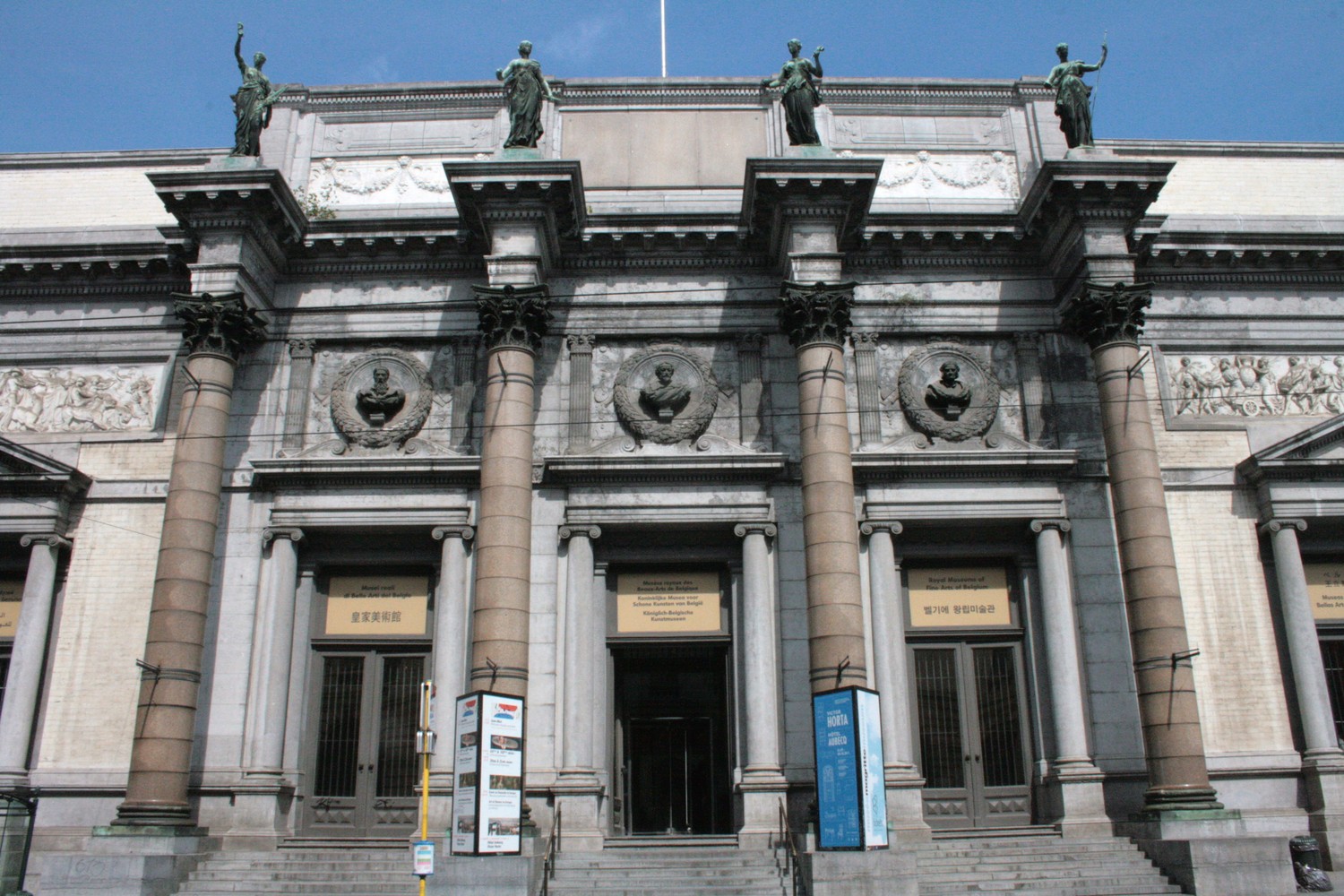
De architecturale setting van het museum maakt evenzeer deel uit van de ervaring als de kunst die er wordt huisvest. Het Hôtel du Lotto, een neoclassicistisch juweel uit de 18e eeuw, biedt een verfijnd decor dat de elegantie en complexiteit van Magritte’s composities weerspiegelt. De statige façade van het gebouw reflecteert de historische ziel van Brussel, terwijl het interieur—met zorg gerestaureerd in de jaren 80—is getransformeerd tot een eigentijds vat voor moderne tentoonstellingsbehoeften. Deze huwelijk tussen klassieke architectuur en surrealistische inhoud creëert een unieke dialoog; de rigide, gestructureerde lijnen van het neoclassicistische tijdperk dienen als het perfecte contrast voor de vloeiende, droomachtige beelden binnenin. Voor de kunstliefhebber of interieurontwerper vertegenwoordigt het museum een hoogtepunt van esthetische harmonie, waar geschiedenis en innovatie samenkomen in een staat van voortdurende inspiratie.
Wat het Magritte Museum werkelijk onderscheidt, is zijn rol als een levend centrum voor artistieke dialoog en wetenschappelijke verkenning. Het archiveert niet simpelweg het verleden; het vormt actief het gesprek rond de blijvende impact van het surrealisme op de moderne kunst. Door regelmatig geplande thematische tentoonstellingen en samenwerkingen met internationale instellingen, nodigt het museum bezoekers uit om nieuwe perspectieven en bredere historische contexten te verkennen. Of men nu wordt aangetrokken door de zeldzame films die een glimp bieden van Magritte’s cinematografische gevoeligheid, of door de wetenschappelijke diepgang van de gecureerde narratieven, het museum blijft een essentiële bestemming. Het is een plek waar logica wijkt voor verbeelding, en een onvergetelijke ontsnapping biedt aan iedereen die ernaar verlangt de verwondering van het onbekende te herontdekken.