A Sanctuary of Signals: Exploring the Nam June Paik Art Center
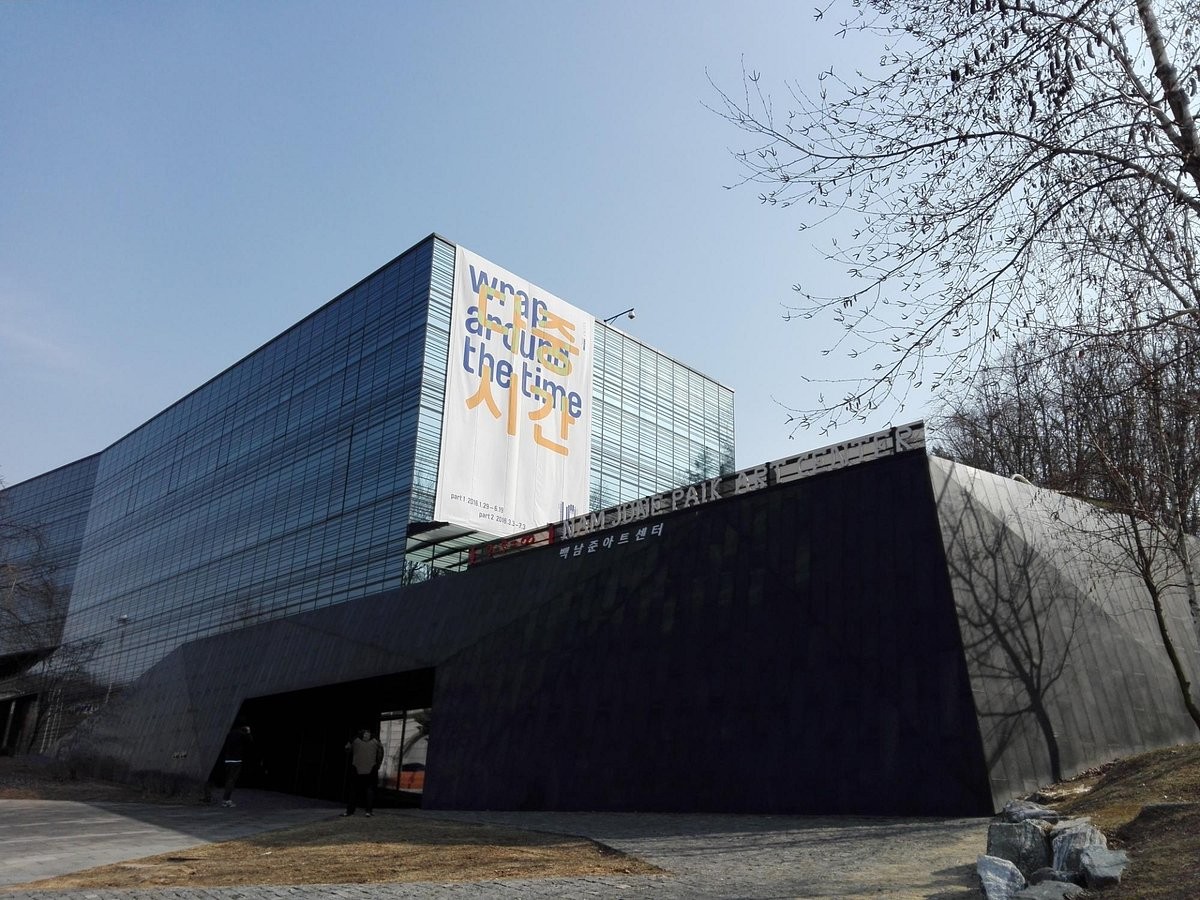
The Nam June Paik Art Center isn’t merely a repository of artworks; it's an immersive experience designed to transport visitors into the mind of its namesake, arguably the progenitor of video art. Located in Yongin, South Korea—a city rapidly evolving as part of Seoul’s metropolitan area—the center stands as a testament to Paik’s singular vision: that technology could serve not just as a tool for communication but as an instrument for profound artistic contemplation. Entering its halls feels like stepping into a laboratory of ideas, where the echoes of experimentation and provocation resonate throughout.
-
A Legacy Rooted in Fluxus
-
Paik’s Architectural Embrace: Designing Dialogue
-
Iconic Installations: Television Buddha & Electronic Super Highway
-
The Nam June Paik Art Center Prize: Cultivating Future Innovation
-
Beyond Display: Engaging Visitors and Shaping Perspectives
A Legacy Rooted in Fluxus
Nam June Paik’s artistic journey began within the crucible of Fluxus, a transnational avant-garde movement that championed spontaneity, chance encounters, and a rejection of traditional art conventions. Influenced profoundly by composers like John Cage—whose radical embrace of silence challenged established musical dogma—Paik sought to dismantle hierarchies between art and life, mirroring the Fluxus ethos. His early performances, often incorporating unconventional materials and confronting audiences with unexpected juxtapositions, solidified his reputation as a provocateur who dared to question accepted norms. The artist’s conviction that “Television tortured the intellectuals for a long time... it is about time that the intellectuals torture television” encapsulates this spirit of rebellious inquiry—a sentiment that continues to inform the center's curatorial approach.
Paik’s Architectural Embrace: Designing Dialogue
The building itself serves as an extension of Paik’s artistic philosophy, deliberately eschewing conventional gallery spaces in favor of expansive, interconnected areas designed to foster interaction and contemplation. Architecturally conceived by Choi Chang-ho, the center prioritizes natural light—a deliberate choice intended to illuminate the artworks and create an atmosphere of openness and accessibility. Sightlines are carefully considered, revealing unexpected connections between installations and encouraging visitors to engage actively with the artistic experience. As Paik himself envisioned it, “The museum’s exhibits follow no real order of chronology or renown, thereby inviting visitors to make up their own minds as to the merit and significance of each work.” This ethos is reflected in the building's fluid form—a deliberate departure from rigid architectural structures that would stifle creativity.
Iconic Installations: Television Buddha & Electronic Super Highway
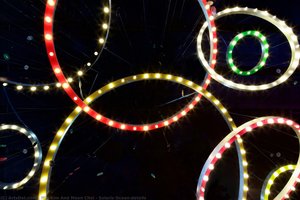
Among Paik’s most celebrated works are “Television Buddha” and “Electronic Superhighway,” pieces that exemplify his masterful manipulation of media to explore themes of spirituality, communication, and the impact of technology on human perception. “Television Buddha,” featuring a serene statue gazing upon its reflection in a television screen—a striking juxtaposition between ancient iconography and contemporary media—invites viewers to meditate on self-awareness and the role of images in shaping our understanding of reality. Simultaneously, “Electronic Superhighway”—a sprawling map constructed from neon tubes and televisions—offers a dazzling commentary on information overload and the interconnectedness of modern life. The sheer scale of this installation is breathtaking, immersing visitors in a vibrant network of light and color that mirrors the relentless flow of data characterizing contemporary society.
The Nam June Paik Art Center Prize: Cultivating Future Innovation
Established in 2009, the Nam June Paik Art Center Prize recognizes artists who demonstrate exceptional creativity and interdisciplinary thinking—qualities deeply aligned with Paik’s artistic vision. Awarded annually to individuals whose projects push the boundaries of art and technology, the prize serves as an investment in the future, supporting innovators who grapple with complex questions about the role of media in shaping our world. Recent exhibitions have showcased artists experimenting with virtual reality, artificial intelligence, and other cutting-edge technologies—continuing Paik’s legacy of embracing risk and exploring uncharted artistic territory.
Beyond Display: Engaging Visitors and Shaping Perspectives
Ultimately, the Nam June Paik Art Center transcends the traditional role of a museum—it aspires to foster dialogue between artists, scholars, and audiences alike. Regular workshops, lectures, and performances encourage active engagement with Paik’s work and its broader philosophical implications. As curators Lee Sooyon and June Yap have noted, “The center seeks out artists who share Paik’s willingness to embrace risk and explore uncharted territory.” Visiting the center isn't merely observing art; it's embarking on a journey of intellectual discovery—a celebration of innovation and a reaffirmation of the enduring human quest for meaning in an increasingly mediated world.