


Santa Maria della Salute - A Beacon of Gratitude
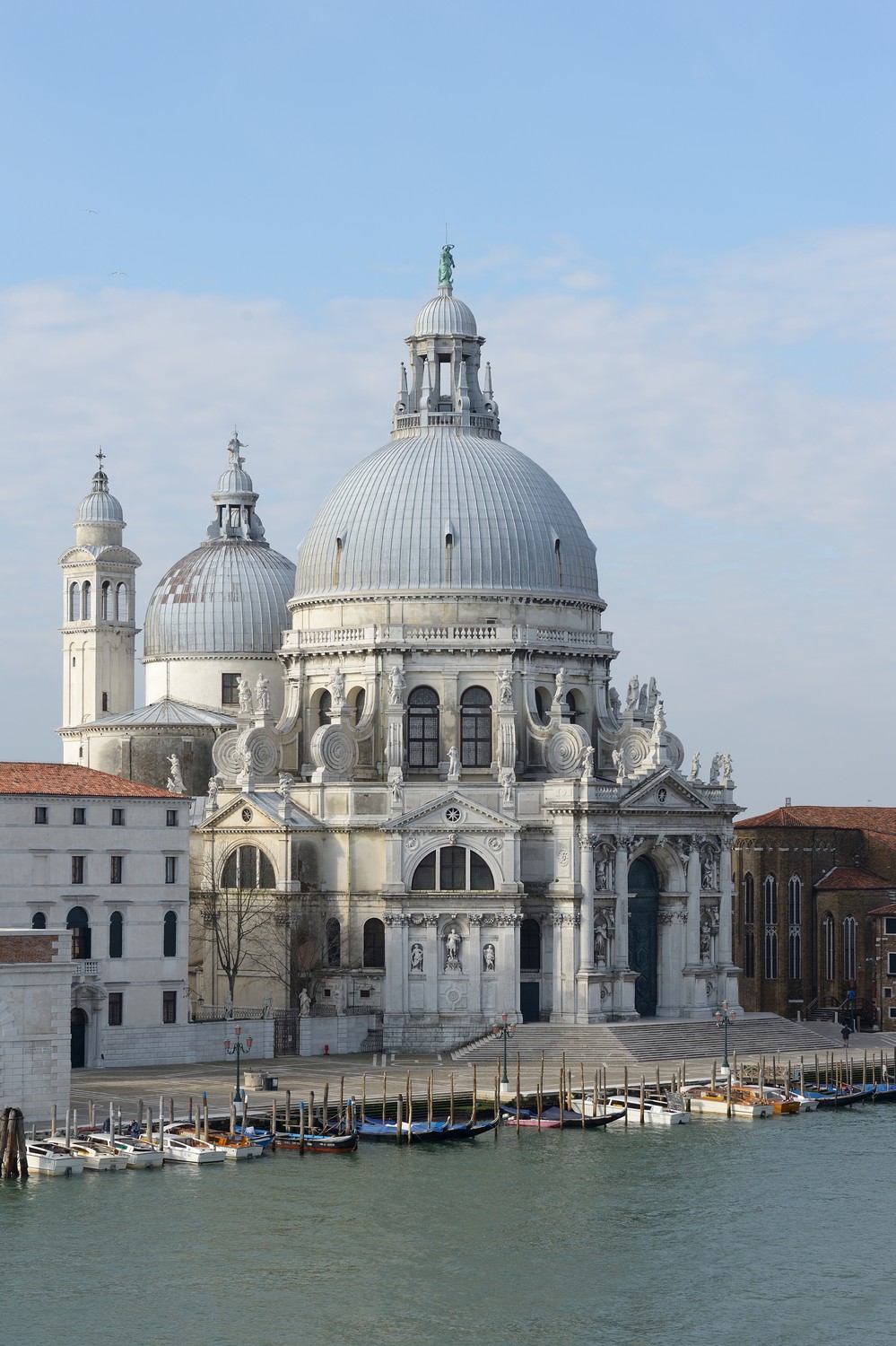
The Basilica di Santa Maria della Salute stands as an enduring testament to Venetian resilience—a shimmering mirage rising from the waters of Venice, forever marked by both tragedy and triumphant rebirth. Commissioned in 1631 following the devastating plague that claimed nearly a third of Venice’s population, this Baroque masterpiece isn't merely a church; it embodies faith, ambition, and an unwavering desire to express gratitude for deliverance. Strategically positioned at the confluence where the Grand Canal meets the Giudecca—a location chosen not only for its visibility but also for its symbolic significance within the city’s intricate social fabric—La Salute is more than just stone and mortar; it's a prayer solidified into architectural form. Its imposing dome dominates the Venetian skyline, a constant reminder of a city that dared to hope amidst despair.- A Vision Born From Sorrow: The plague of 1630 irrevocably shaped Venice’s psyche. Faced with unimaginable loss, the Venetian Senate responded decisively—pledging to construct a magnificent basilica dedicated to Our Lady of Health as a symbol of divine intervention and a heartfelt expression of thanksgiving.
- Baldassare Longhena: Architect extraordinaire, Baldassare Longhena conceived La Salute not as a somber memorial but as a radiant celebration of life itself. Rejecting traditional designs, he opted for an octagonal plan echoing Byzantine influences—a bold innovation that reflected Venice’s aspirations for grandeur and spiritual elevation.
- Istrian Stone & Marmorino Plaster: Longhena masterfully employed Istrian stone and *marmorino* plaster to create a façade that seems to float upon the water, bathed in Venetian light. The two bell towers flanking the main structure amplify this sense of majesty, drawing pilgrims and visitors alike towards its soaring dome—an engineering marvel visible from across the lagoon.
Treasures Within: Art Reflecting Faith & History
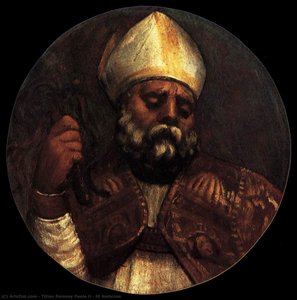
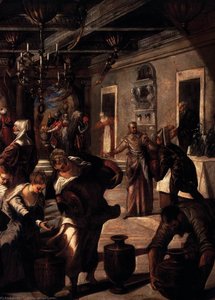
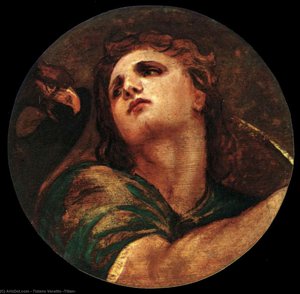
The basilica’s interior is equally breathtaking—a vast expanse adorned with intricate detailing that draws the eye upwards towards heaven, fostering a profound feeling of spiritual elevation. But La Salute's true treasures lie within its walls—significant artworks by Venetian masters that illuminate Venice’s artistic heritage and deepen our understanding of its history.- Titian & Tintoretto: Two titans of Venetian painting grace the basilica’s sacred spaces. Titian’s “Cain and Abel” portrays a poignant meditation on sin and redemption, rendered with the artist's characteristic mastery of color and emotion—a masterpiece that captures the essence of human suffering and divine compassion. Tintoretto’s monumental "Marriage at Cana" dominates the sacristy with its dynamic composition and vibrant hues—a swirling panorama of figures that embodies the exuberance of the biblical scene.
- Symbolic Remembrance: Scattered throughout the basilica are objects subtly referencing the Black Death, serving as poignant reminders of Venice's trauma and inspiring La Salute’s creation. These artifacts underscore the profound connection between art and history—telling a story of loss, hope, and ultimately, renewal through brushstrokes and sculpted forms.
The Festa della Madonna della Salute: A Living Tradition
La Salute remains deeply embedded in Venetian life today—most notably through the annual *Festa della Madonna della Salute*, held on November 21st. This vibrant celebration commemorates the end of the plague with a solemn procession from San Marco to La Salute, crossing the Grand Canal via a specially constructed pontoon bridge—a temporary pathway linking the civic center with this beacon of hope. The bridge itself becomes a symbol of connection—linking the past and present, faith and tradition. Witnessing this annual event transforms La Salute from a static monument into a dynamic hub of Venetian culture—affirming its enduring relevance in the 21st century.An Enduring Icon: Inspiration for Artists Through Time
For centuries, Santa Maria della Salute has captivated artists—becoming a recurring motif in paintings and sketches across Europe. From Canaletto’s meticulous cityscapes to Turner's atmospheric impressions and Sargent’s elegant portraits, La Salute’s majestic form continues to inspire creativity—a testament to its enduring beauty and symbolic power. The basilica draws visitors from around the globe, offering a transformative experience of Venetian history, art, and architecture—a journey through time that resonates with both the soul and the senses.Notable Exhibitions & Architectural Details
- Recent Renovations: Ongoing conservation efforts ensure La Salute’s preservation for future generations.
- The Dome: Constructed by Domenico Fontana, it is one of the largest domes in Europe and a marvel of engineering—a testament to Venetian ingenuity and artistic ambition.
- The Bell Towers: Designed by Antonio Scamozzi, they are adorned with sculptures depicting saints and biblical figures—symbols of faith and piety that reflect Venice’s spiritual heritage.