
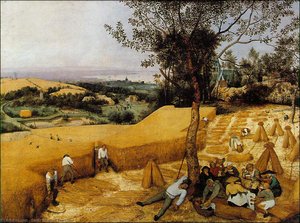
Introduction
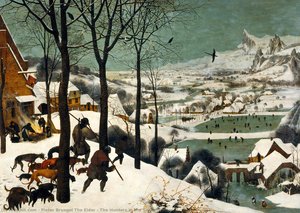
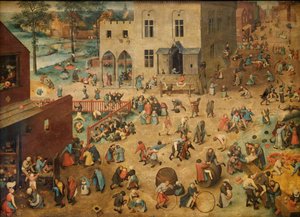
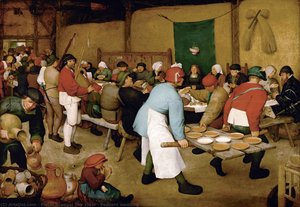
The 16th century in the Low Countries marked a transformative era where the meticulous precision of the Northern Renaissance met a burgeoning interest in landscape, genre scenes, and complex allegories. Centered in the vibrant commercial hubs of what is now Belgium, these artists operated during a period of profound cultural shifts, moving from the rigid iconographies of the Middle Ages toward a more profound observation of the natural world and human emotion. This era was defined by a mastery of oil technique, allowing for unprecedented depth of color and a luminous quality that captured the subtle play of light across textures.
What unites this group of masters is their ability to weave intricate narratives into their compositions, whether through the sprawling, atmospheric vistas of Joachim Patenier or the dense, bustling social landscapes of the Bruegel lineage. Their work serves as a visual bridge between the spiritual devotion of the past and the humanistic inquiries of the modern age, making their contributions essential for understanding the evolution of Western art. Today, their influence persists in the way we perceive perspective, detail, and the very essence of storytelling through imagery.
As we walk through this curated selection, we encounter the diverse voices that shaped this golden age, from the profound symbolism of Pieter Bruegel the Younger to the delicate, atmospheric mastery of Jan Brueghel the Elder, exploring the technical brilliance and stylistic variety of the most significant painters from this illustrious Belgian heritage.
Joachim Patenier
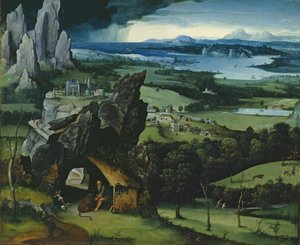 Landscape with St Jerome - Joachim Patenier
A pivotal figure in the evolution of Northern Renaissance art, Joachim Patenier helped shift the focus of 16th century Belgian painters away from the microscopic precision of the previous era toward the vastness of the horizon. Born around 1480 in the region of Dinant or Bouvignes, Patenier eventually established himself in Antwerp, joining the prestigious Guild of Saint Luke in 1515. His presence in this artistic hub allowed him to pioneer the "world landscape" style, a genre that transformed nature from a mere backdrop into the primary subject of the composition.
His masterpiece, Landscape with St Jerome (c. 1515), serves as a definitive example of this stylistic revolution. In this work, the saint is dwarfed by an immense, rocky terrain, illustrating Patenier's mastery of atmospheric perspective. By utilizing soft gradations of color, he captures the way light and moisture blur distant peaks into a hazy blue, creating a sense of infinite space. This technique allowed him to lead the viewer's eye through complex layers of terrain, from the dark, textured foreground to the pale, ethereal mountains in the distance, marking a profound departure from the hard lines of his predecessors.
Jan Brueghel the Elder
 Flemish Fair - Jan Brueghel the Elder
Born in Brussels in 1568, Jan Brueghel the Elder emerged from a prestigious artistic lineage, being the son of the renowned Pieter Bruegel the Elder. His formative years were shaped by the meticulous discipline of his grandmother, Mayken Verhulst, who trained him in the delicate art of watercolor miniatures. This early focus on precision and small-scale detail would define his career as a Flemish Baroque master, distinguishing his approach from the broader, more robust compositions of his predecessors. As a prominent figure in the 16th-century Belgian artistic landscape, his technical mastery and leadership as dean of the Guild of Saint Luke in Antwerp solidified his status among the era's most influential creators.
His representative work, Flemish Fair (c. 1600), exemplifies this transition from the 16th century into the Baroque era. In this piece, Brueghel captures a vibrant Kermis, utilizing oil on copper to achieve a luminosity and detail that reflects his training in miniature painting. Unlike the darker, often satirical peasant scenes of his father, this work presents a joyous, panoramic celebration of rural life, blending profound observation with a sense of festive harmony.
- Subject Matter: A bustling, immersive panorama of a traditional religious festival and village life.
- Style & Technique: Meticulous detail achieved through oil on copper, utilizing expansive panoramic compositions.
Pieter Bruegel The Younger
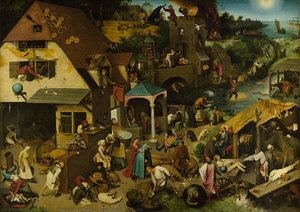
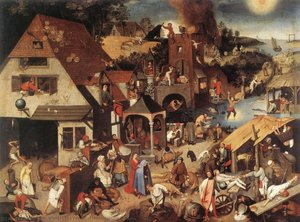 Netherlandish Proverbs - Pieter Bruegel The Younger
A central figure in the artistic landscape of the Low Countries, Pieter Bruegel the Younger (1525–1569) was born in Brussels, cementing his place among the most significant 16th century Belgian painters. As the son of the legendary Pieter Bruegel the Elder, he inherited a profound visual vocabulary, yet his role was far more than that of a mere successor. He acted as a vital bridge for the Bruegelian legacy, managing a sophisticated workshop that translated complex familial themes into a vast, highly sought-after body of work that defined the era's aesthetic.
His mastery is most vividly captured in the 1559 masterpiece, Netherlandish Proverbs. This work serves as a profound exploration of Northern Renaissance wit, transforming a bustling village square into a chaotic, satirical tapestry of human folly. Through meticulous detail and a vibrant use of color, he illustrates a multitude of idioms, creating a narrative puzzle that invites deep contemplation of social behavior. His ability to blend everyday peasant life with profound moral instruction allowed him to maintain a dominant presence in the Antwerp art market, ensuring that the intricate, observational style of his lineage became a cornerstone of 16th century Flemish art.
Sebastiaen Vrancx
 Orpheus and the Beasts - Sebastiaen Vrancx
A prominent figure of the Antwerp School, Sebastiaen Vrancx represents the transition into the Baroque era, cementing his place among the 16th century painters from Belgium. Born in 1573, his career flourished in the vibrant artistic hub of Antwerp, where he developed a reputation for capturing the kinetic energy of both conflict and celebration. While he is widely celebrated as a pioneer of battle scenes, his versatility allowed him to master diverse genres, from serene winter landscapes to lively village kermesses.
His 1595 work, Orpheus and the Beasts, serves as a profound testament to his early mastery of mythological themes. In this composition, Vrancx employs a sophisticated pyramidal structure to anchor a chaotic gathering of animals, demonstrating an ability to find harmony within primal energy. Through a masterful use of chiaroscuro, he sculpts the musculature of horses and the watchful expressions of hounds, using light to breathe life into the canvas. Whether depicting the skirmishes of cavalry or the quietude of a frozen canal, Vrancx’s ability to balance intense emotion with meticulous detail defines the legacy of this Flemish master.
Quinten Metsys
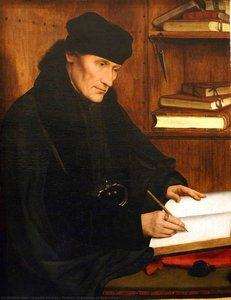 Portrait of Erasmus of Rotterdam - Quinten Metsys
In his Portrait of Erasmus of Rotterdam, Quinten Metsys captures the profound concentration of a Renaissance mind, presenting the scholar amidst a landscape of scattered manuscripts and heavy volumes. This work exemplifies the artist's ability to transform a likeness into a study of intellectual authority, where the play of light on aged vellum and dark wool creates a palpable sense of atmosphere. As a foundational figure of the Antwerp School, Metsys represents the transition of 16th century Belgian art from the spiritual devotion of the Early Netherlandish tradition toward the burgeoning humanism of the Northern Renaissance.
Born in Leuven around 1466, Metsys is believed to have been trained as an ironsmith, a background that likely informed his extraordinary command over texture and material. This tactile precision is evident in his ability to render the glint of metal or the sheen of fine fabric with remarkable verisimilitude. Whether through religious solemnity or biting social satire, his work bridges the gap between the meticulous detail of his predecessors and a new, vital realism. His legacy as a master of the Low Countries is defined by this unique ability to balance exquisite technical craftsmanship with the complex realities of the human condition.
Paul Bril
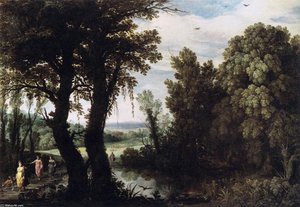 Diana and Her nymphs at the Hunt - Paul Bril
Born in Antwerp, Paul Bril (1554–1626) stands as a pivotal figure among 16th century Flemish painters, bridging the meticulous traditions of the North with the luminous grandeur of the South. Raised in an artistic household, he received his foundational training from his father, Matthijs Bril the Elder, absorbing the Flemish mastery of atmospheric perspective and detailed landscape. This rigorous upbringing in Belgium provided the technical scaffolding for his later revolutionary career in Rome.
His relocation to Italy marked a transformative turning point, where he moved beyond mere representation to pioneer the Italianate landscape genre. Bril’s work is defined by a sophisticated ability to harmonize classical motifs—such as ancient ruins and idyllic pastoral scenes—with a profound sense of light and depth. His representative masterpiece, Diana and Her Nymphs at the Hunt (1600), exemplifies this mastery. In this work, the artist captures a sense of Baroque vitality, using dappled sunlight and lush vegetation to weave a narrative of classical mythology into a serene, naturalistic setting. Through his unique vision, Bril transformed the landscape from a mere backdrop into a dramatic, emotive protagonist of European art.
Joos de Momper the Younger
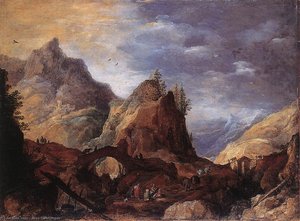 Mountain Scene with Bridges - Joos de Momper the Younger
A central figure in the evolution of the Flemish landscape, Joos de Momper the Younger represents the sophisticated transition from late Mannerism to the burgeoning realism of the early 17th century. Born in Antwerp in 1564, he was deeply embedded in the Belgian artistic tradition, entering the Antwerp Guild of St. Luke at the remarkably young age of seventeen. His lineage was one of profound visual expertise, being the son of the painter and art dealer Bartholomeus de Momper, and the grandson of a noted landscape artist. This heritage, combined with the vibrant creative energy of his native city, allowed him to forge a unique stylistic path that bridged the gap between the panoramic traditions of Pieter Bruegel the Elder and the dramatic, Italianate Alpine vistas that would define much of his oeuvre.
His technical mastery is vividly realized in his representative work, Mountain Scene with Bridges. In this composition, de Momper demonstrates a profound command of atmospheric perspective, utilizing a sophisticated color palette to create an illusion of infinite space. By transitioning from warm, earthy tones in the foreground to cool, hazy blues in the distant peaks, he invites the viewer into a vast, meticulously rendered realm of mountain majesty. The work exemplifies his ability to balance rugged, dramatic scenery with a sense of serene, expansive beauty.
Hendrick van Balen the Elder
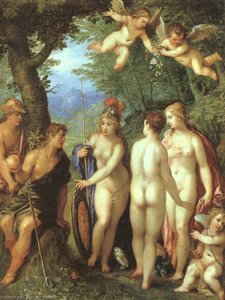 The Judgement of Paris - Hendrick van Balen the Elder
Born around 1575, Hendrick van Balen the Elder stands as a pivotal figure in the transition from Mannerism to the Baroque, a period that defined the artistic evolution of the Low Countries. As a master born in Belgium during the late 16th century, his work is deeply rooted in the traditions of the Flemish school, having trained under Adam van Noort. This lineage connects him to the rich heritage of 16th-century painters from Belgium, bridging the gap between the structured compositions of the previous century and the dramatic fluidity of the next. His ability to blend humanist scholarship with technical precision allowed him to become a highly influential figure in Antwerp, eventually serving as a teacher to the legendary Anthony van Dyck.
His representative work, The Judgement of Paris (1599), serves as a profound testament to his mastery of mythological narratives. In this composition, Van Balen orchestrates a sophisticated dance of divine figures, utilizing a complex arrangement of sculptural poses to capture the tension of the Trojan prince's fateful choice. Through a meticulous layering of glazes, he achieves a luminous quality that elevates the scene from a mere contest to a breathtaking tableau vivant, showcasing the elegance and grace that characterized the height of Flemish artistic achievement.
Pieter Brueghel The Younger
 The Tower of Babel - Pieter Brueghel The Younger
Born in Brussels around 1564, Pieter Brueghel the Younger stands as a central figure among 16th century Flemish painters. As the son of the legendary Pieter Bruegel the Elder, he was immersed in a lineage of profound artistic wisdom from birth, nurtured by a family of accomplished painters. His career reached a transformative turning point in the bustling artistic hub of Antwerp, where he underwent formal training under the master Gillis van Coninxloo. This mentorship was essential in mastering the delicate art of landscape painting, allowing him to manipulate light and atmosphere to create sprawling, immersive spaces that define the Northern Renaissance aesthetic.
His prolific workshop became a cornerstone of the Flemish art scene, specializing in captivating scenes of rural life and complex landscapes. In his 1595 work, The Tower of Babel, he demonstrates a masterful command of scale and perspective. The composition features a massive, spiraling stone structure rising toward a turbulent sky, where light breaks through heavy clouds to cast deep shadows across the terrain. Through meticulous technical precision and an empathetic understanding of the human condition, he transformed the visual language of his father into a lasting legacy of 16th century Flemish art.
Joachim Beuckelaer
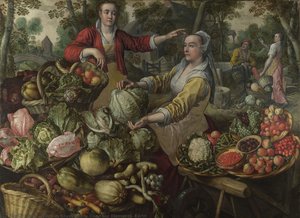 The Four Elements: Earth - Joachim Beuckelaer
In his 1569 masterpiece, The Four Elements: Earth, Joachim Beuckelaer demonstrates the profound ability to transform a domestic interior into a complex narrative. This work, currently held at the National Gallery in London, serves as a quintessential example of how the artist elevated the mundane to the level of high art. Through a vibrant palette of deep reds, sunny yellows, and lush phthalo greens, Beuckelaer captures a riot of abundance—from pomegranates to leafy cabbages—that borders on a sensory experience.
Born in Antwerp around 1533, Beuckelaer was a central figure in the artistic evolution of the Low Countries during the 16th century. As a member of the Guild of Saint Luke, he refined the market and kitchen scenes pioneered by his uncle, Pieter Aertsen, moving toward a more ordered and technically nuanced composition. His work is characterized by a seamless blend of everyday genre scenes and subtle religious symbolism, effectively bridging the gap between the tangible realities of Flemish life and spiritual allegory. By focusing on the textures of food and the labor of working women, he became a vital precursor to the independent still life genre, cementing his legacy among the premier Belgian painters of the 1500s.
Conclusion
The masters of this era transformed the visual language of the Low Countries, moving from the intricate, symbolic landscapes of Patenier to the profound, humanistic narratives of Metsys. Whether through the sweeping, atmospheric vistas of Bril and Momper or the meticulous, genre-driven details of the Bruegel lineage, these artists collectively defined a golden age of observation and technical mastery. Their ability to capture the interplay of light, the texture of the natural world, and the complexities of human character remains a cornerstone of art history.
At Mus3ums.com, we invite you to bring this legacy into your own space. Our artisans specialize in creating museum-quality, hand-painted oil reproductions that honor the specific brushwork and tonal depth of these 16th-century masters. From the grand scale of landscape panoramas to intimate portraiture, you can explore our full collection and find a timeless piece to elevate your home or professional collection.


