Mikalojus Konstantinas Čiurlionis

1875 - 1911

Kort om kunstneren

  • Corpus themes:
    • lithuanian folklore
    • lithuanian identity
    • symbolism
    • symbolist landscape
    • spiritual reflection
  • Museums on APS: Musée national Mikalojaus Konstantino Čiurlionio d'art
  • Top-ranked work: Funeral Symphony. VII from the cycle of 7 paintings
  • Works on APS: 173
  • Vibe:
    • mystisk
    • eterisk
  • Topics explored:
    • symbols
    • sea
    • lithuanian art
    • symbolism
    • mountains
  • Color intensity:
    • sterk og mettet
    • balansert
  • Best occasions:
    • atmosfære
    • blikkfang
  • Died: 1911
  • Movements: symbolism
  • Vis mer…
  • Nationality: Litauen
  • Copyright status: Public domain
  • Born: 1875, Šiauliai, Litauen
  • Emotional tone: mystisk
  • Lifespan: 36 years
  • Art period: Moderne
  • Typical colors:
    • jordnær
    • mørke toner
  • Room fit: stue og oppholdsrom
  • Creative periods: mature period
  • Also known as: Mikołaj Konstanty Czurlanis

Early Life and Artistic Beginnings

Mikalojus Konstantinas Čiurlionis, a name now synonymous with Lithuanian Symbolism, was born in Šiauliai in 1875 – a city that would profoundly shape his artistic vision. His early years were spent in the town of Vilnų, where he first encountered the world of art and music, laying the foundation for his future explorations. His family’s move to Druskininkai, a spa town known for its natural beauty, further nurtured his connection with nature – a theme that would become central to his work. Čiurlionis' formal artistic education began in Warsaw, where he studied at the music conservatory and later pursued drawing studies. It was during this period that he began to develop his distinctive style, experimenting with color and form in ways that foreshadowed his groundbreaking approach to Symbolism. The influence of Polish art and culture during these formative years undoubtedly contributed to his artistic development, though he would ultimately forge a uniquely Lithuanian path.

Artistic Style and Influences

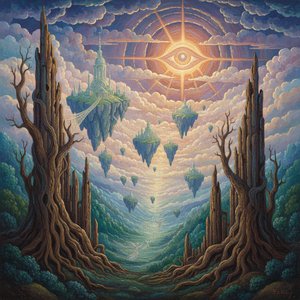
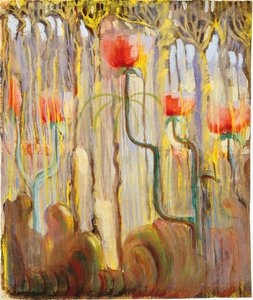
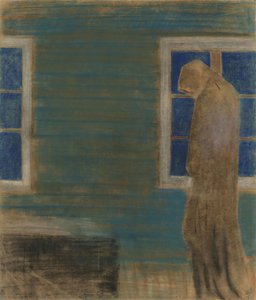
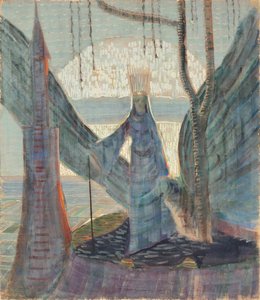
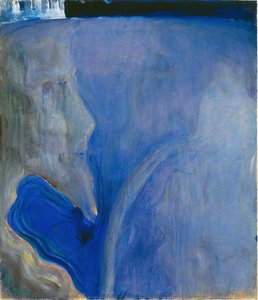
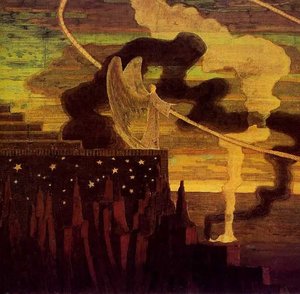
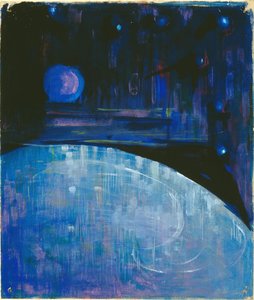
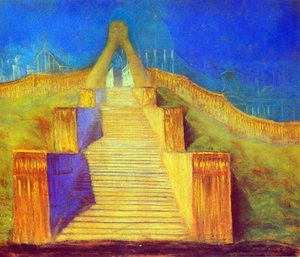
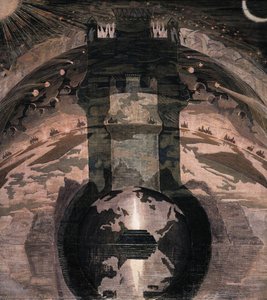
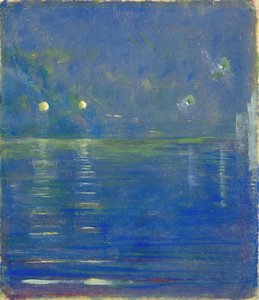
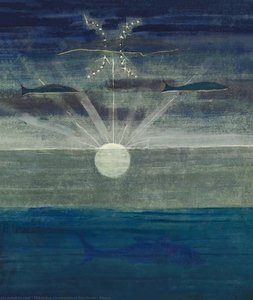
Čiurlionis’s artistic style is deeply rooted in Symbolism – a movement that sought to evoke emotions and ideas through subtle suggestions rather than direct representation. His paintings are often characterized by a dreamlike quality, filled with ethereal figures, vast landscapes, and an intense focus on the spiritual realm. He wasn't simply depicting what he saw; he was attempting to capture the *feeling* of nature, its mysteries, and its profound connection to the human soul. His use of color is particularly striking – bold, vibrant hues are juxtaposed with muted tones, creating a sense of harmony and tension simultaneously. The influence of artists like Antoni Sygietyński and Zygmunt Noskowski, both prominent figures in Polish Symbolism, can be detected in his early works, though Čiurlionis quickly developed his own distinctive voice. He was also deeply inspired by the natural world around him – the forests, lakes, and skies of Lithuania served as constant sources of inspiration.

Key Works and Notable Achievements

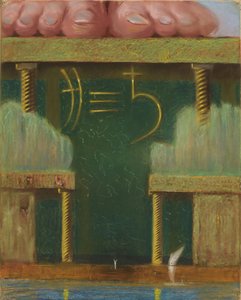
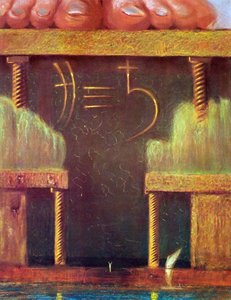
Čiurlionis’s oeuvre is remarkably prolific, encompassing approximately 300 paintings, numerous musical compositions (including symphonic poems and string quartets), and a significant body of poetry and prose. Among his most celebrated works are “In the Forest” and “The Sea,” two symphonic poems that masterfully capture the essence of Lithuanian nature through music and color. These pieces, along with many of his paintings, demonstrate his ability to translate sensory experiences – particularly visual ones – into powerful artistic expressions. The painting "Cancer," a poignant exploration of mortality and the cycle of life, exemplifies his unique approach to symbolism. While some works attributed to him have been debated by scholars, their stylistic similarities firmly establish Čiurlionis’s profound influence on the Symbolist movement.

Museological Significance and Legacy

Čiurlionis's contributions extend beyond his individual creations; he played a crucial role in establishing Lithuanian national identity through his art. His work helped to define a distinctly Lithuanian aesthetic, blending traditional folklore with modern artistic sensibilities. Today, his paintings are housed primarily at the M. K. Čiurlionis National Art Museum in Kaunas, Lithuania – a testament to his enduring legacy. The museum offers visitors a comprehensive overview of his life and work, allowing them to appreciate the depth and complexity of his artistic vision. Furthermore, his influence can be seen in various museums and collections across Europe, demonstrating the widespread recognition of his importance as a pioneer of modern art. The renaming of Vilnius Airport after Čiurlionis in 2025 is a significant symbolic gesture, ensuring that his name and artistic legacy will continue to resonate with future generations.

Conclusion

Mikalojus Konstantinas Čiurlionis’s legacy as a Symbolist painter continues to inspire art enthusiasts worldwide. Through his enchanting, often enigmatic works, he has left an indelible mark on the history of art – a testament to the power of imagination and the enduring beauty of nature. His unique ability to translate sensory experiences into artistic expression ensures that his work will remain relevant and captivating for years to come. Exploring his life and art through resources like Mus3ums.com offers a valuable opportunity to delve deeper into the mind of this remarkable Lithuanian artist.

Kunstighetsquiz

Det er kun ett riktig svar på hvert spørsmål.

Spørsmål 1:
Hvilken kunstbevegelse er Mikalojus Konstantinas Čiurlionis mest kjent for?
Spørsmål 2:
Hvor ble Čiurlionis' tidlige utdanning hovedsakelig gjennomført?
Spørsmål 3:
Når ble Mikalojus Konstantinas Čiurlionis født?
Spørsmål 4:
Hvilket prins støttet Čiurlionis' studier i Warszawa?
Spørsmål 5:
Hvor er de fleste av Čiurlonisis malerier utstilt i dag?


© 2026 mus3ums.com