

A Dutch-style retreat on the Berkshire Downs
Ashdown House is a seventeenth-century country house situated in the parish of Ashbury, Oxfordshire. Built as a hunting lodge, the structure reflects a distinct Dutch architectural style. It was commissioned by Sir William Craven for Elizabeth of Bohemia, the Queen of Bohemia, though she passed away before the construction was completed in 1662. The building is a Grade I listed property and is currently managed by the National Trust.
The house is constructed from chalk block and sits within a woodland estate. Its design is characterized by a tall, compact silhouette that rises from the landscape. Visitors may access the main staircase and the roof terrace through guided tours during the months from April to October.
The Portrait Collection
The interior houses a significant collection of seventeenth-century portraiture, much of which is centered on the family and associates of the House of Orange and the Palatinate. The works are primarily by Dutch and English painters of the period, focusing on the likenesses of nobility and royalty. These paintings provide a visual record of the political and familial connections of the era.
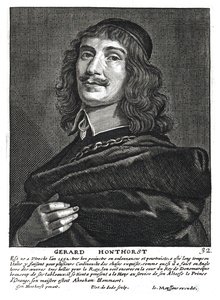
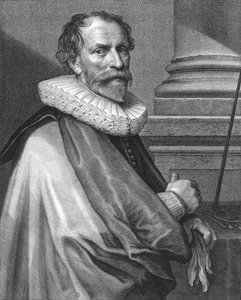
The collection includes several notable works by Gerard van Honthorst and Michiel Jansz. van Mierevelt:
- Princess Elizabeth, Princess Royal, Abbess of Hervorden (Hertford) (1618-1680), 1655 - Gerard van Honthorst
- Prince Rupert of the Rhine, Count Palatine, Duke of Cumberland (1619-1682), 1643 - Gerard van Honthorst
- Prince Edward, Count Palatine (1625-1663), 1648 - Gerard van Honthorst
- Elizabeth Stuart, Queen of Bohemia, 'The Winter Queen' (1596-1662), 1650 - Gerard van Honthorst
- Princess Henrietta Maria, Princess Palatine, Princess of Siebenbürgen, Transylvania (1626-1651), 1645 - Gerard van Honthorst
- Portrait of Amalie Elisabeth von Hanau-Münzenberg (1602–1651), 1640 - Gerard van Honthorst
- Prince Charles Louis, Elector Palatine of the Rhine, and Duke of Bavaria (1617–1680), 1638 - Gerard van Honthorst
- Princess Mary Stuart, Princess of Orange (1631 - 1660), 1648 - Gerard van Honthorst
- Louise Henriette of Orange-Nassau (1627 - 1667), 1651 - Gerard van Honthorst
- Princess Louise Hollandine, Princess Palatine, Abbess of Maubuisson, Pontoise (1622–1709), 1650 - Gerard van Honthorst
- Duke Johann Ernst the Younger of Saxe-Weimar (1594 - 1626), 1623 - Michiel Jansz. van Mierevelt
- Christian, Duke of Brunswick-Wolfenbüttel and Bishop of Halberstadt (1599-1626), 1623 - Michiel Jansz. van Mierevelt
- Sir Horatio de Vere, Baron Vere of Tilbury (1565-1635), 1629 - Michiel Jansz. van Mierevelt
- Count Johan von Merode, Grand Bailiff of Kennerland ( ? - 1666), 1631 - Michiel Jansz. van Mierevelt
- Frances Coke, Viscountess Purbeck (1601-1645), 1623 - Michiel Jansz. van Mierevelt
- Prince Frederick Henry, Prince of Orange, Stadholder of the United Provinces (1584-1647), 1623 - Michiel Jansz. van Mierevelt
- William, Earl of Craven - Gerard van Honthorst
- Prince rupert - William Dobson
Architectural and Historical Context
The house remains a significant example of Carolean architecture. Its history is tied to the lineage of the Earls of Craven and the donation of the property to the National Trust in 1956 by Cornelia, Countess of Craven. The site serves as a physical link to the life of Elizabeth of Bohemia, whose presence is felt through the specific subjects of the portraits held within the house.
The estate is located near Lambourn, though it sits within the county of Oxfordshire. The surrounding woodland provides a natural setting for the lodge, which was originally intended for hunting purposes. The building's layout and its specific association with the Palatine family define its character.


