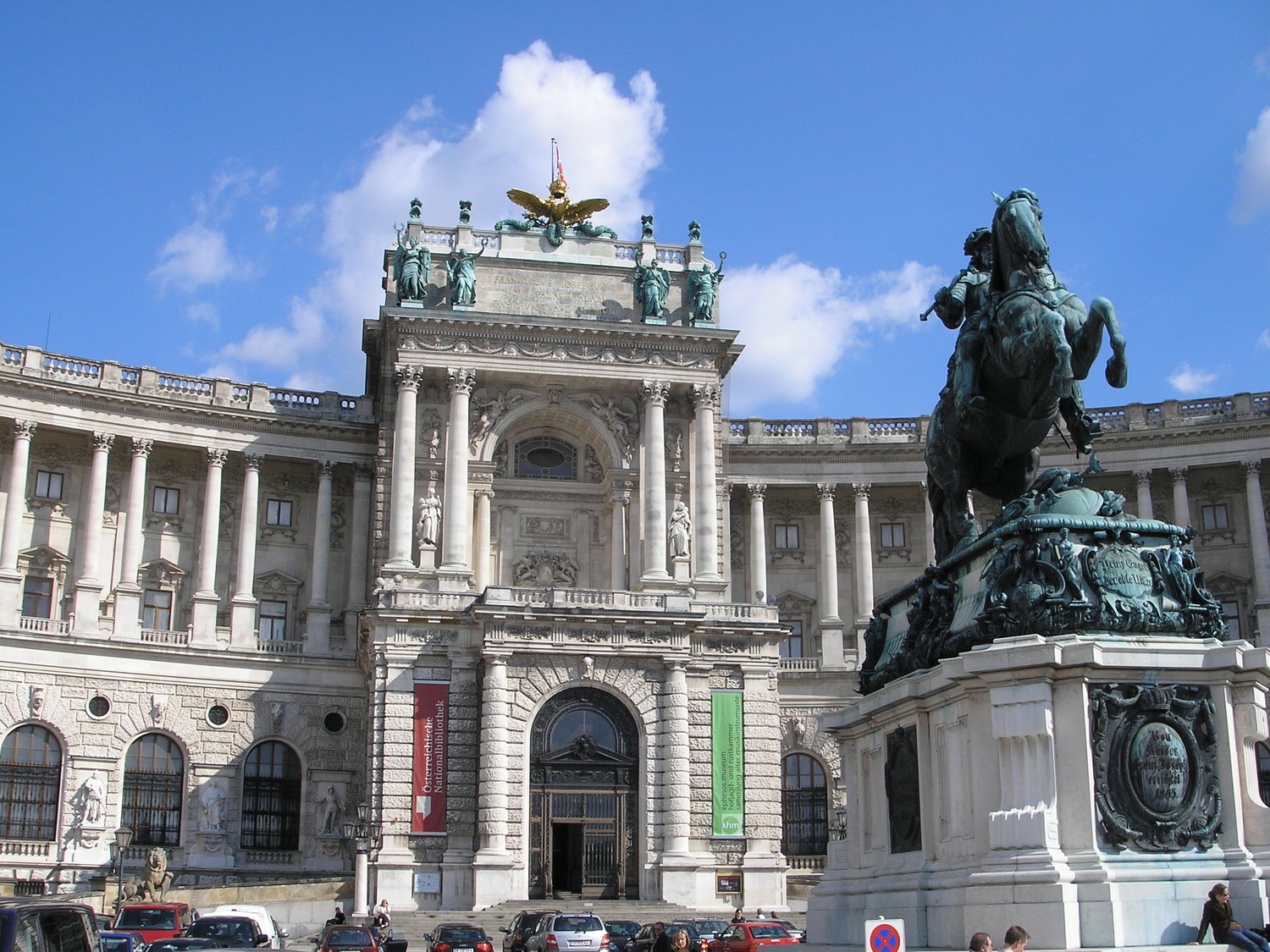
A Palace of Knowledge: Exploring the Österreichische Nationalbibliothek
The air within the walls of the Österreichische Nationalbibliothek in Vienna possesses a palpable sense of accumulated wisdom—a feeling that stretches back centuries. More than simply a repository for books, this institution is a breathtaking synthesis of art, architecture, and intellectual pursuit; a vibrant cultural heart beating at the center of Austria. Stepping into its grand halls feels akin to entering a gilded dream, where knowledge isn’t merely stored but celebrated as an aesthetic experience in itself. The library's origins trace back to the 14th century, conceived initially as the Imperial Court Library under Duke Albert III, and has since evolved through generations of patronage and expansion, blossoming from a modest collection into the largest library in Austria – safeguarding over twelve million items within its walls. The very stones seem to whisper tales of emperors and scholars, reformers and revolutionaries—all who sought enlightenment and understanding within these hallowed spaces. It’s a place where the scent of aged paper mingles with the echoes of history, inviting contemplation and inspiring a profound sense of awe. The library's location within the Neue Burg wing of the Hofburg Palace is itself significant, reflecting its historical connection to the Habsburg dynasty and their commitment to learning and culture.
Baroque Splendor and Architectural Harmony
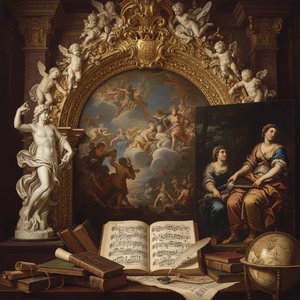
The architectural magnificence of the National Library is immediately arresting – a testament to the power of Baroque design. Housed within the Neue Burg wing of the Hofburg Palace, it’s a space deliberately intended to inspire awe and reverence. The State Hall, or *Prunksaal*, arguably stands as its most iconic feature—a soaring chamber that seems to defy gravity with its immense scale and intricate details. The ceiling is adorned with a breathtaking fresco by Daniel Gran, depicting the apotheosis of Emperor Charles VI – a swirling panorama of allegorical figures representing virtue, wisdom, and justice, all ascending towards the heavens. This isn’t merely decoration; it's a carefully crafted visual articulation of the Enlightenment ideals that fueled the library’s growth and its role as a center for intellectual discourse. Colossal marble statues, each embodying a personified virtue, flank the hall, adding to the sense of grandeur and solemnity. Sunlight streams through arched windows, illuminating rows upon rows of meticulously preserved books – a tangible reminder of human ingenuity and our enduring quest for knowledge. The sheer scale is humbling, yet the ornate details—the gilded moldings, the intricate stucco work, the polished marble floors—invite intimate exploration and a deeper appreciation for the artistry involved. The fresco itself, with its dynamic composition and vibrant colors, seems to lift the eye towards the heavens, suggesting that knowledge is not simply acquired but pursued as a pathway to divine understanding – a concept deeply rooted in Renaissance thought.
Treasures Within: A Journey Through Collections
Beyond its architectural splendor, the Österreichische Nationalbibliothek boasts an unparalleled collection of depth and diversity, catering to a wide range of interests and scholarly pursuits. For those with a passion for history, the Rare Manuscripts & Historical Books section offers an intimate encounter with centuries-old texts – illuminated manuscripts radiating medieval artistry, first editions that bear witness to pivotal moments in literary history, and documents that provide unique insights into Austria’s rich past. The collection is remarkably comprehensive, spanning from the Middle Ages through the early modern period. However, the treasures don't stop there. The Rainer Collection of papyri is a world unto itself – containing one of the most significant assemblages of ancient Egyptian writings, stretching across three millennia from antiquity through Muslim rule. These fragile fragments offer invaluable windows into the lives, beliefs, and knowledge systems of civilizations long past, providing tangible connections to societies that flourished thousands of years ago. The Globe Museum presents a fascinating chronicle of cartography – showcasing how our understanding of the world has evolved over time, from ancient maps drawn on papyrus to modern satellite imagery. Dedicated museums celebrate Austrian Literature and Austria’s complex history, offering immersive experiences for every visitor. Imagine holding in your mind's eye a fragment of papyrus, penned by a scribe thousands of years ago – a direct connection to the human story unfolding across millennia.
A Legacy of Preservation and Accessibility
What truly sets the Österreichische Nationalbibliothek apart is its unwavering commitment to both preservation *and* accessibility. It isn’t a dusty relic locked away from public view; it's a vibrant cultural institution actively engaged in sharing its treasures with the world. The library seamlessly blends its role as a research center with engaging museum exhibits, interactive displays, and educational programs – ensuring that future generations will continue to benefit from the wealth of knowledge contained within its walls. Recent expansions have included relocating collections to the equally stunning Palais Mollard-Clary, further enhancing the visitor experience. From scholars delving into ancient texts to casual visitors marveling at the architectural splendor, the National Library offers an experience that is both intellectually stimulating and profoundly moving – a testament to the enduring power of books and the human spirit’s unyielding quest for understanding. The library actively promotes research through its extensive digital resources and provides access to rare materials for scholars worldwide.
Notable Exhibitions and Future Developments
The Österreichische Nationalbibliothek regularly hosts temporary exhibitions that highlight specific collections or themes, offering visitors a chance to delve deeper into the library's holdings. These exhibitions often feature loans from other institutions and showcase both historical artifacts and contemporary scholarship. Currently, the State Hall is undergoing restoration, promising an even more spectacular experience when it reopens in November 2025. The library also maintains a lively calendar of events, including lectures, workshops, and concerts – further enriching the cultural landscape of Vienna. Looking ahead, the National Library continues to embrace digital innovation, expanding its online resources and developing new ways to engage with audiences around the world. The commitment to preserving and sharing Austria’s intellectual heritage remains steadfast, ensuring that this remarkable institution will continue to inspire and educate for generations to come.