



A Sanctuary of Earth and Fire
In the heart of Toronto, tucked away within the verdant grounds of Victoria University, lies a sanctuary where the primal elements of earth and fire converge to tell the story of humanity. The Gardiner Museum of Ceramic Art is far more than a mere repository for pottery; it is a profound exploration of human creativity manifested through clay. To step inside its walls is to embark on a journey across millennia and continents, witnessing how a single medium has been transformed into objects of immense beauty, historical significance, and enduring cultural resonance. Founded through the passionate collecting of George and Helen Gardiner, this institution stands as Canada’s preeminent destination for those who find poetry in the tactile and the timeless.
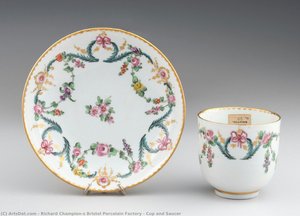
The museum’s collection is a breathtaking tapestry of global heritage, boasting an extraordinary assemblage of over 4,000 pieces that speak to the ingenuity of diverse civilizations. Visitors may find themselves mesmerized by the imperial splendor of Ming dynasty vases or lost in the delicate, translucent beauty of Japanese Kyoto Ware, where porcelain vessels reflect a Zen aesthetic of unparalleled technical skill. The collection offers a deep dive into the nuances of texture and glaze, featuring the most significant collection of European porcelain in Canada—with particular strengths in Meissen, Vienna, and Hausmaler decorated porcelain. For those drawn to the intricate narratives of the past, the museum holds a superb collection of English tin-glazed pottery and the vibrant, storied traditions of Italian Renaissance maiolica, ensuring that every corner turned reveals a new chapter of artistic evolution.
Architectural Harmony and Contemporary Vision
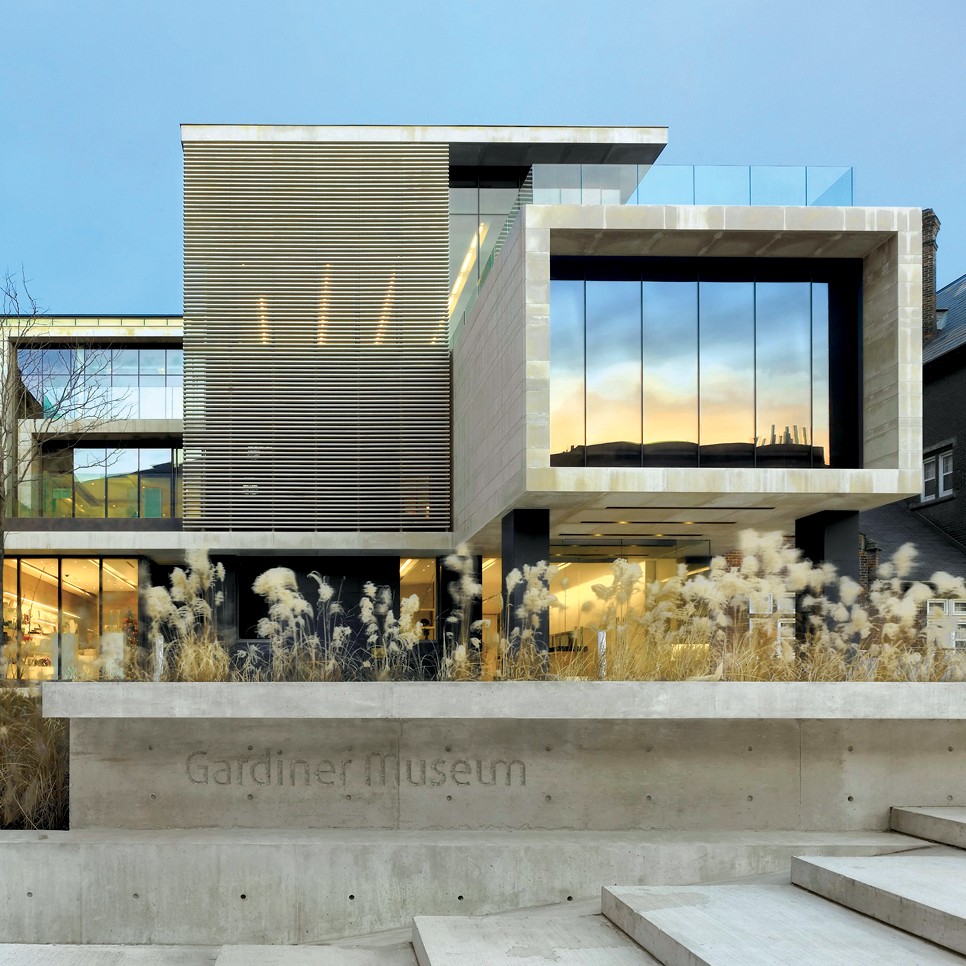
The experience of the Gardiner is deeply intertwined with its physical form. The museum building, originally envisioned by Keith Wagland and later refined through significant expansions by KPMB Architects and Urbacon, serves as a beacon of thoughtful design. Its architecture is a deliberate study in light; the structure is crafted to maximize natural illumination, allowing sunlight to dance across subtle glazes and highlight the intricate textures that define each ceramic masterpiece. This interplay of light and shadow creates an atmosphere of quiet contemplation, making the museum an ideal retreat for art lovers and designers seeking inspiration in the subtle details of form and surface.
Beyond its historical treasures, the Gardiner Museum remains a living, breathing entity, constantly bridging the gap between ancient traditions and contemporary innovation. The museum’s commitment to evolution is evident in its rotating exhibitions, which frequently place emerging artists alongside celebrated masters. Recent transformations have even seen the introduction of dedicated galleries for Indigenous ceramics, ensuring that the voices of the land are heard within its halls. Whether it is through large-scale public installations or hands-on workshops that empower visitors to engage directly with the transformative power of clay, the museum fosters a dynamic dialogue between the past and the present. It remains a vital cultural landmark where the weight of history meets the limitless possibilities of modern artistic expression.