

A Sanctuary of Time: Unveiling Santa Maria delle Grazie
Santa Maria delle Grazie, nestled in Milan’s historic center, isn't merely a church; it’s an extraordinary crossroads where Gothic grandeur wrestled with Renaissance innovation—a legacy meticulously preserved for centuries. Founded in 1463 by Duke Francesco I Sforza as a tribute to Saint Mary of Miracles, this complex swiftly transcended its initial purpose, blossoming into a crucible where artistic vision and spiritual contemplation converged.
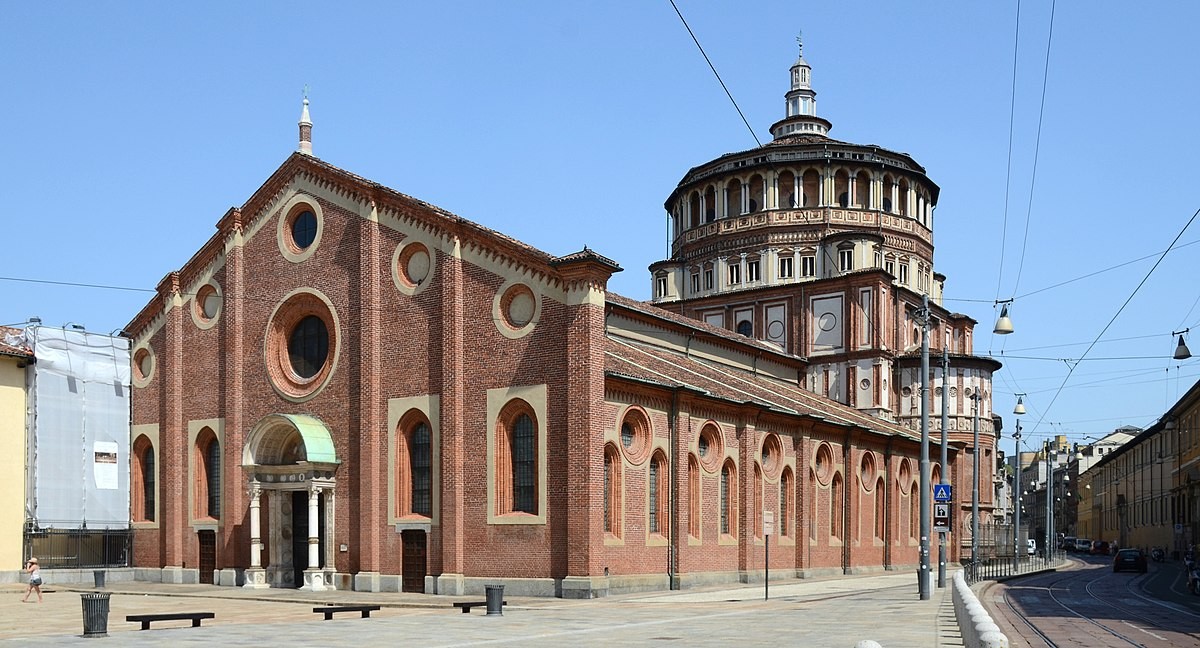
The church’s story begins with an ambitious aspiration: to construct a cathedral that would rival those found in the great European capitals. Initially conceived by Guiniforte Solari as a magnificent Gothic structure, Santa Maria delle Grazie underwent a dramatic transformation under the guidance of Donato Bramante—a visionary who fundamentally reimagined its design. Bramante’s genius wasn't simply an alteration; it was a complete embrace of classical harmony and proportion. The result is breathtaking fusion – a testament to the enduring power of architectural dialogue.
The soaring nave, with its intricate ribbed vaults and pointed arches, retains echoes of its Gothic origins, while the apse and tribune are adorned with exquisite Corinthian columns, delicate pilasters, and meticulously crafted marble panels that speak to Bramante’s unparalleled mastery of sculptural detail. This careful balance between past and present is what truly defines Santa Maria delle Grazie's unique character – a space where the weight of history feels inextricably linked to the promise of artistic innovation.
The church showcases a masterful blend of Gothic and Renaissance styles, largely thanks to Bramante’s intervention. Notice the soaring nave, a testament to Gothic ambition, juxtaposed with the refined classical elements in the apse and tribune. This harmonious combination reflects the intellectual fervor of the era—a conscious effort to revive the grandeur of antiquity while embracing new artistic ideals.
Originally intended as a magnificent cathedral, Santa Maria delle Grazie underwent a transformative journey following Bramante’s death. His successor, Giovanni Battista Piramo Visconti, skillfully adapted the original plans, incorporating elements of Mannerism—a stylistic movement characterized by exaggerated forms and dramatic contrasts—to heighten the church's expressive power.
The Dominican Cultural Centre adjacent to Santa Maria delle Grazie serves as a vital hub for artistic scholarship and cultural outreach. Exhibitions regularly explore themes related to Renaissance art, Milanese history, and theological contemplation, offering visitors unparalleled opportunities for intellectual enrichment and aesthetic appreciation.
Leonardo da Vinci’s *The Last Supper*: A Revolution in Artistic Technique
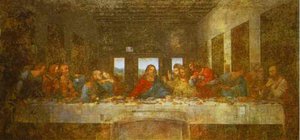
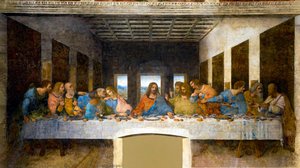
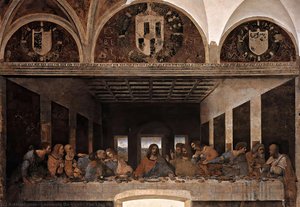
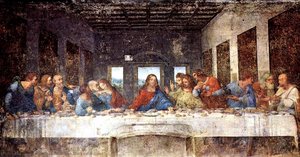
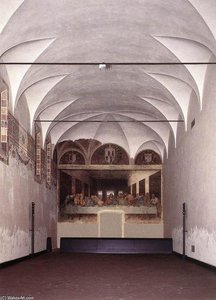
At the very heart of Santa Maria delle Grazie resides a masterpiece that continues to inspire awe and fascination: Leonardo da Vinci’s *The Last Supper*. Painted between 1495 and 1498, this monumental fresco transcends mere depiction; it embodies an audacious experiment in artistic innovation—a daring challenge to conventional painting practices. Da Vinci's groundbreaking approach centered on *sfumato*, a subtle blurring of lines and colors designed to create an ethereal atmosphere that imbues the figures with an unprecedented sense of realism and immediacy.
Architectural Harmony: Bramante’s Vision for Santa Maria delle Grazie
Santa Maria delle Grazie stands as a testament to architectural brilliance, largely thanks to Donato Bramante's transformative vision. Initially conceived as a grand Gothic cathedral, the church underwent a dramatic reimagining under Bramante’s guidance—embracing the principles of classical harmony and proportion. The resulting edifice showcases a breathtaking fusion: soaring nave vaults echoing Gothic grandeur alongside Corinthian columns and delicate pilasters reflecting Bramante’s mastery of sculptural detail.
- The nave's ribbed vaulting exemplifies Gothic ambition, while the apse and tribune embody Renaissance refinement.
- Bramante skillfully balanced past traditions with innovative design concepts—creating a space that continues to inspire awe.
Leonardo da Vinci’s *The Last Supper*: A Masterpiece of Psychological Depth
At the heart of Santa Maria delle Grazie lies Leonardo da Vinci’s *The Last Supper*, an unparalleled achievement in artistic expression. Painted between 1495 and 1498, this monumental fresco transcends mere depiction; it delves into the complexities of human emotion and confronts viewers with profound questions about faith and humanity.
- Da Vinci’s revolutionary use of *sfumato* imbues the figures with an ethereal realism—capturing subtle nuances of expression that convey psychological drama.
- The fresco's vulnerability stems from Da Vinci’s experimental technique – oil paint mixed with mastic – which resulted in rapid deterioration over centuries, highlighting the importance of preservation.
Architectural Marvel: A Dialogue Between Gothic and Renaissance
Santa Maria delle Grazie embodies a remarkable fusion of architectural styles. Initially conceived as a grand Gothic cathedral by Guiniforte Solari, the church underwent a transformative redesign under Donato Bramante, embracing classical harmony and proportion. The soaring nave retains echoes of its Gothic origins, while the apse and tribune showcase exquisite Corinthian columns and marble panels reflecting Bramante’s unparalleled mastery.
Historical Significance: From Cathedral Dreams to Sforza Legacy
The church's story begins with Duke Francesco I Sforza’s ambition to construct a cathedral rivaling those of Europe. Initially conceived as a Gothic masterpiece, it evolved into a significant Sforza family burial site, symbolizing the dynasty’s power and patronage. Gaudenzio Ferrari’s frescoes in the Chapel of the Holy Crown offer a dramatic visual narrative of Christ's suffering.
Architectural Marvel: A Fusion of Styles
Santa Maria delle Grazie exemplifies Renaissance grandeur thanks to Bramante’s intervention. Notice the soaring nave, juxtaposed with the refined classical elements in the apse and tribune. The church houses impressive architectural details, including intricate marble panels and soaring vaulted ceilings.
Historical Significance: Leonardo da Vinci's Legacy
At its core lies *The Last Supper*, painted by Leonardo da Vinci between 1495 and 1498. Da Vinci’s revolutionary use of *sfumato* imbues the figures with an unprecedented sense of realism. The fresco’s vulnerability has necessitated numerous restoration efforts.
A Tapestry of Artistic Treasures
Beyond *The Last Supper*, Santa Maria delle Grazie is home to Gaudenzio Ferrari’s frescoes in the Chapel of the Holy Crown, Bernardo Zenale's contributions enriching the church’s visual narrative with intricate details and Benedetto Briosco’s sculptures – particularly the funerary monuments that adorn the tombs of prominent figures. The Dominican Cultural Centre hosts engaging exhibitions exploring themes related to spirituality, art history, and Milanese culture—a vibrant reminder of Santa Maria delle Grazie’s ongoing relevance.
Santa Maria delle Grazie stands as a beacon of artistic achievement, nestled within Milan's historic heart. Established in 1463 by Duke Francesco I Sforza, it began as an ambitious cathedral project conceived by Guiniforte Solari – a bold aspiration to rival the grandeur of European capitals.
However, fate intervened swiftly when Donato Bramante undertook a transformative redesign, embracing classical harmony and proportion. The result is breathtaking: a masterful fusion of Gothic and Renaissance styles—a testament to architectural dialogue that continues to inspire awe today. Notice the soaring nave, retaining echoes of its Gothic origins, alongside the apse and tribune adorned with Corinthian columns and delicate marble panels.
The church’s story deepened when it became a Sforza family burial site, reflecting Milan’s aristocratic heritage. Gaudenzio Ferrari's frescoes in the Chapel of the Holy Crown offer a dramatic visual narrative of Christ’s suffering—a vibrant display of artistic flair.
Benedetto Briosco’s sculptures – particularly funerary monuments – exemplify Renaissance craftsmanship and commemorate prominent figures. Beyond these masterpieces, Santa Maria delle Grazie houses a collection of impressive architectural details: intricate marble panels and soaring vaulted ceilings that showcase the grandeur of the era.
A Sanctuary of Time: Unveiling Santa Maria delle Grazie
Nestled within the vibrant heart of Milan, Italy, Santa Maria delle Grazie isn’t merely a church; it's an immersive experience, a testament to centuries of artistic evolution and spiritual contemplation. Established in 1463 by Duke Francesco I Sforza as a tribute to Saint Mary of Miracles, this complex quickly transcended its initial purpose, blossoming into a crucible where the solemn grandeur of Gothic design intertwined with the revolutionary dynamism of the Renaissance. Stepping through its weathered doors is akin to stepping outside of time, encountering a delicate and enduring dialogue between established traditions and daring new visions – a legacy meticulously preserved for generations. The church’s story begins with an ambitious vision: to construct a cathedral that would rival those found in the great European capitals. Initially conceived by Guiniforte Solari as a magnificent Gothic structure, the church swiftly underwent a dramatic transformation under the guidance of Donato Bramante. Bramante’s genius wasn't simply an alteration; it was a complete reimagining, embracing the principles of classical harmony and proportion. The result is a breathtaking fusion – a testament to the enduring power of architectural dialogue. The soaring nave, with