The Sculptor of Brazilian Identity
Aníbal Monteiro Machado (1894 – 1964) stands as a pivotal figure in Brazilian sculpture, embodying the spirit of artistic experimentation and cultural reflection characteristic of the early 20th century. Born in the historic town of Sabará, Minas Gerais, Machado’s life was deeply interwoven with intellectual pursuits and active participation in Brazil's vibrant cultural landscape—a legacy that continues to inspire admiration within the art world today. His formative years were marked by rigorous academic training, culminating in degrees in law from Rio de Janeiro and Belo Horizonte. Yet, while his legal career saw him serving as a public prosecutor, his true passion lay far beyond the courtroom; he dedicated himself to the profound exploration of the human form and the preservation of Brazilian heritage.
The artistic journey of Machado was never a solitary endeavor but rather a dialogue with the most significant minds of his era. In the 1920s, his sculptural path began to coalesce through collaborative efforts, such as his work on O Capote do Guarda, a collective novel that captured the social consciousness and innovation of the period. This era exposed him to legendary figures like Carlos Drummond de Andrade and João Guimarães Rosa, whose literary depth mirrored Machado’s own commitment to portraying cultural values. His involvement with the Brazilian Academy of Letters further underscored his dedication to promoting the nation's soul through both word and stone.
Mastery of Form and Human Dignity
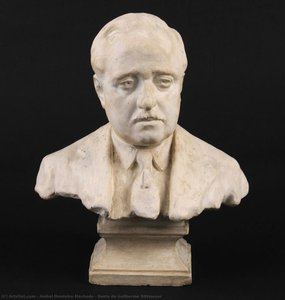
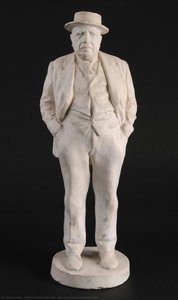
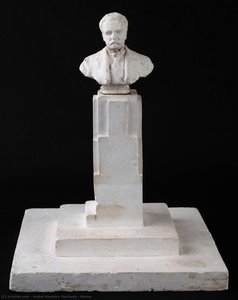
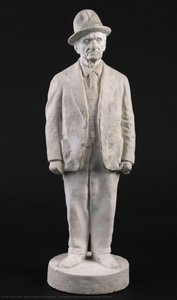
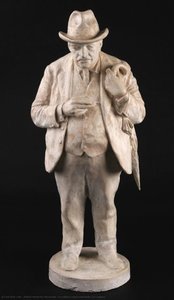
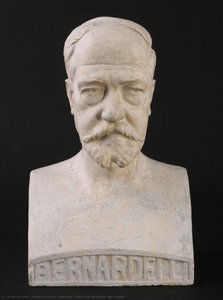
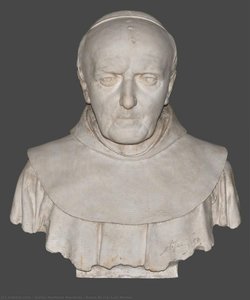
Machado’s oeuvre is distinguished by its masterful exploration of figurative art, specifically through a collection of busts and portraits that delve into themes of human dignity and intellectual contemplation. He possessed a rare ability to blend classical techniques with a modern sensibility, allowing him to capture not just the physical likeness of his subjects, but their very essence. His works, such as the Busto de Guilherme Rittmeyer or the evocative Estatueta representando o Velho Falconi, serve as windows into the psychological depth of the individuals he immortalized.
Through his hands, clay and stone were transformed into narratives of character. His sculptural style often focused on:
- The Portraiture of Intellect: Creating busts that emphasized the contemplative nature of Brazil's thinkers and leaders.
- Cultural Continuity: Using classical modeling to bridge the gap between traditional European influences and a burgeoning Brazilian modernism.
- Humanistic Detail: A meticulous attention to the textures of skin, the weight of expression, and the dignity of the human countenance.
A Lasting Legacy in Brazilian Art
Beyond his physical sculptures, Machado’s influence extended into the realms of education and literature. As a teacher of history at Minas Gerais State College and later at Pedro II College, he nurtured generations of aspiring artists, instilling in them a respect for the historical weight of their craft. His dual identity as a writer, essayist, and sculptor allowed him to approach art with a unique multidisciplinary perspective, making him a true polymath of the Brazilian 20th century.
Today, the significance of Aníbal Monteiro Machado lies in his ability to have captured a nation in transition. His work remains a testament to a period when Brazil was actively defining its own aesthetic and cultural boundaries. Whether through the silent strength of a bronze bust or his contributions to literary criticism, Machado’s life remains an enduring symbol of the intersection between intellectual rigor and artistic passion, ensuring his place in the pantheon of masters who shaped the Brazilian identity.
Pytania i odpowiedzi
Do jakiej epoki należał/a Aníbal Monteiro Machado?
Aníbal Monteiro Machado tworzył w okresie Modern. Epoka ta osadza twórczość artysty w kontekście historycznym.
Gdzie i w którym roku urodził(a) się Aníbal Monteiro Machado?
Aníbal Monteiro Machado urodził się w Sabará w 1894 roku.
W jakim mieście i kraju urodził(a) się Aníbal Monteiro Machado?
Aníbal Monteiro Machado urodził się w Sabará w Brazil.