Pieta
 Akryl na płótnie
- Sztuka ścienna
- High Renaissance
 1499
1499- Renesans
 Bazylika Świętego Piotra
Michał Anioł Buonarroti (1475 – 1564)
Michelangelo Buonarroti (1475-1564): Odkryj arcydzieła renesansu – rzeźby Dawida i Pietà, freski Kaplicy Sykstyńskiej i trwały wpływ na historię sztuki!
Bazylika Świętego Piotra (Vatican City, Italy)
Odkryj Bazylikę Świętego Piotra w Watykanie! Podziwiaj kopułę Michała Anioła, sztukę Berniniego i wieki historii w tej ikonicznej świątyni – świadectwie wiary i sztuki.
Michelangelo’s Pietà: A Silent Symphony of Sorrow and Grace
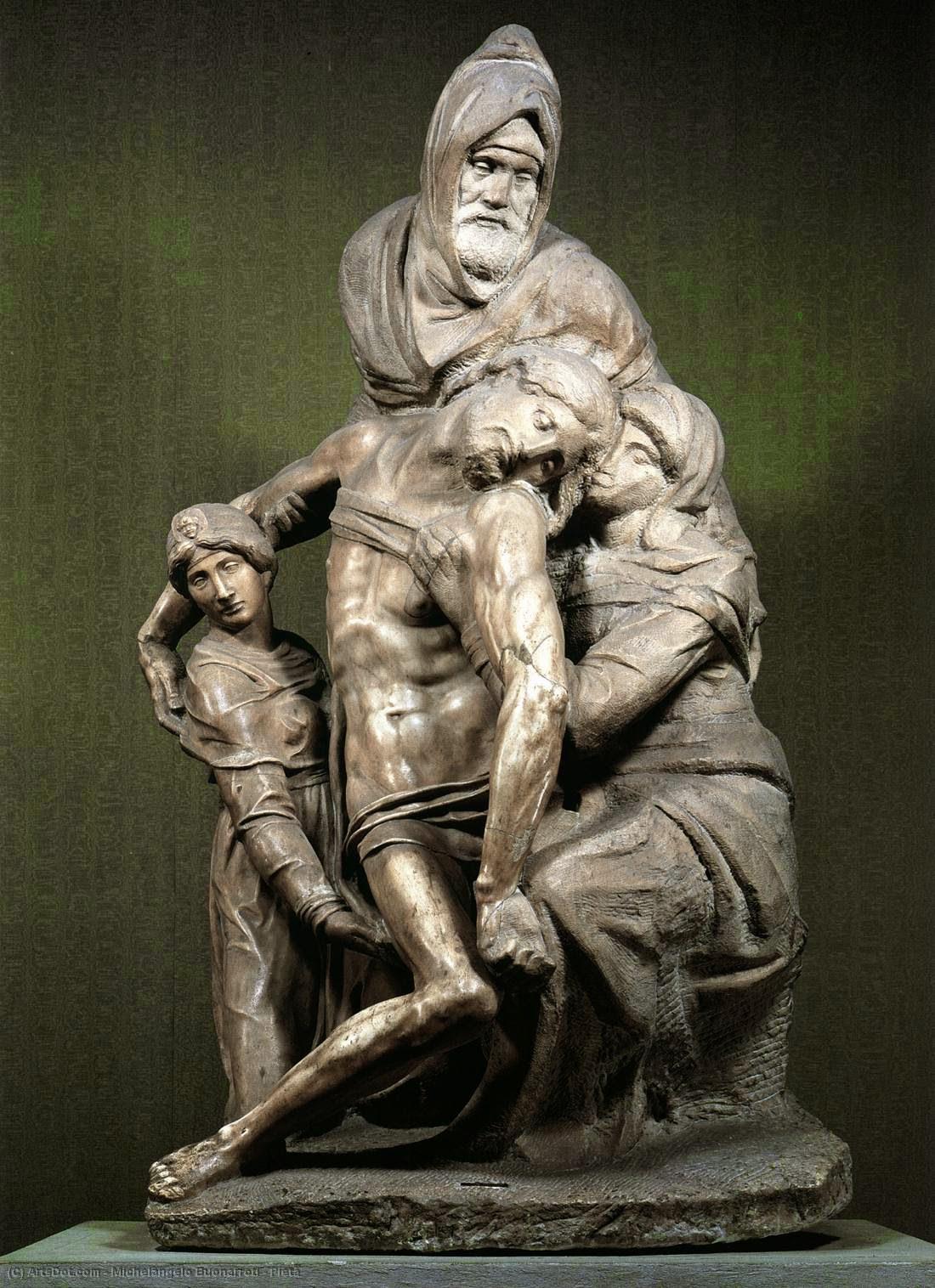
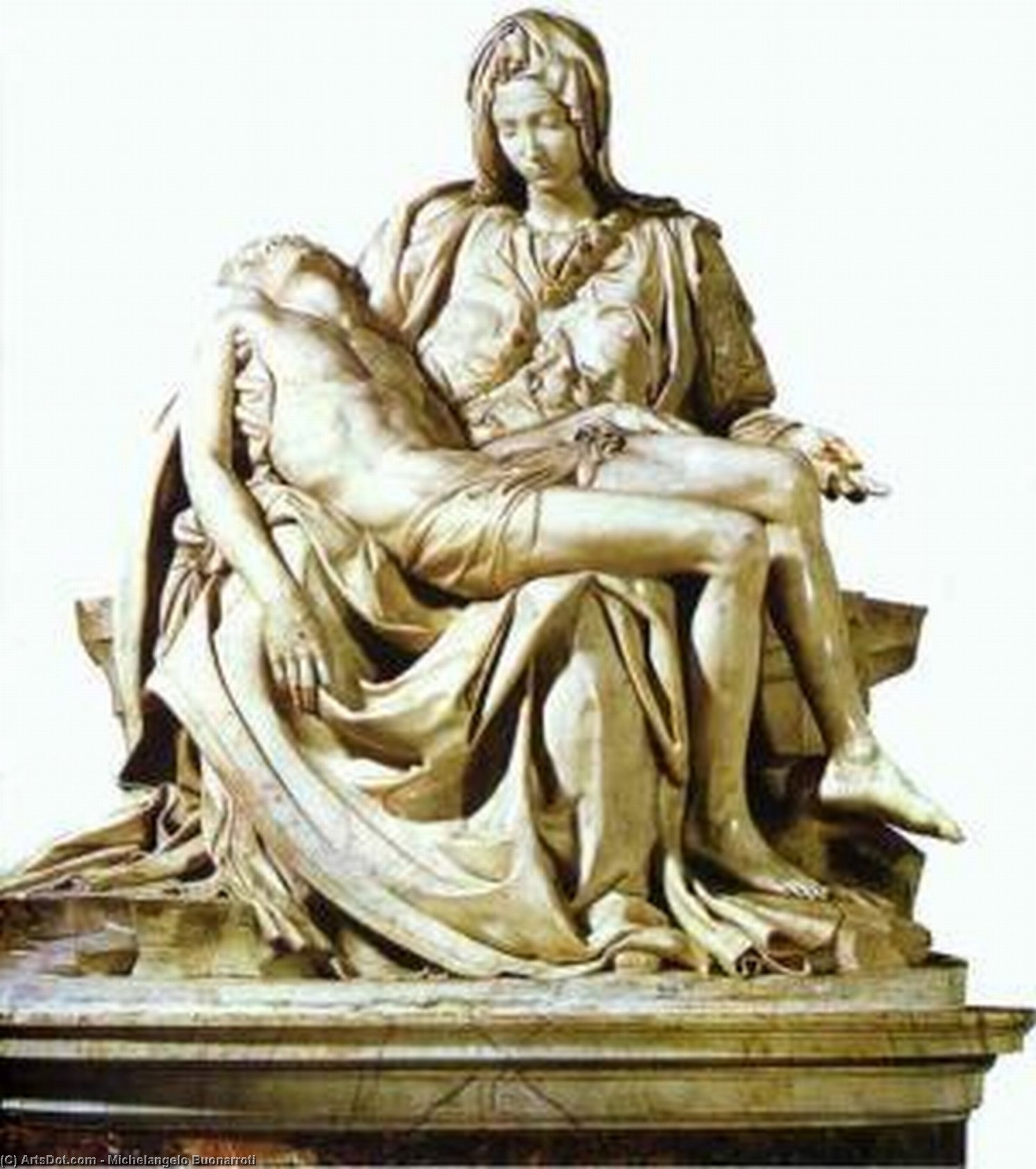
The Pietà, sculpted by Michelangelo Buonarroti between 1498 and 1499, is more than just a marble statue; it's an experience. Located within the solemn heart of St. Peter’s Basilica in Vatican City, this masterpiece transcends mere representation, becoming a profound meditation on grief, faith, and the enduring power of maternal love. It’s a work that has captivated viewers for centuries, not merely with its technical brilliance but with its ability to evoke an immediate and deeply felt emotional response – a testament to Michelangelo's unparalleled understanding of human psychology and his mastery of form.
The genesis of the Pietà lies in a commission from Cardinal Jean Bilhères de Lagraulas, a French diplomat, for his funerary chapel within Old St. Peter’s Basilica. Michelangelo, already a rising star in Florence's artistic scene, was tasked with creating an image that would embody both sorrow and spiritual solace – a challenge he met with extraordinary sensitivity and skill. The story behind the commission is fascinating; it reveals Michelangelo’s early struggles for recognition as a sculptor, his reliance on wealthy patrons like the Medici family, and the ambitious architectural projects transforming Rome at the time. The basilica itself, conceived as a monumental expression of Christendom's enduring strength, provided the backdrop for this intensely personal and spiritually charged work.
A Synthesis of Classical Idealism and Humanist Observation
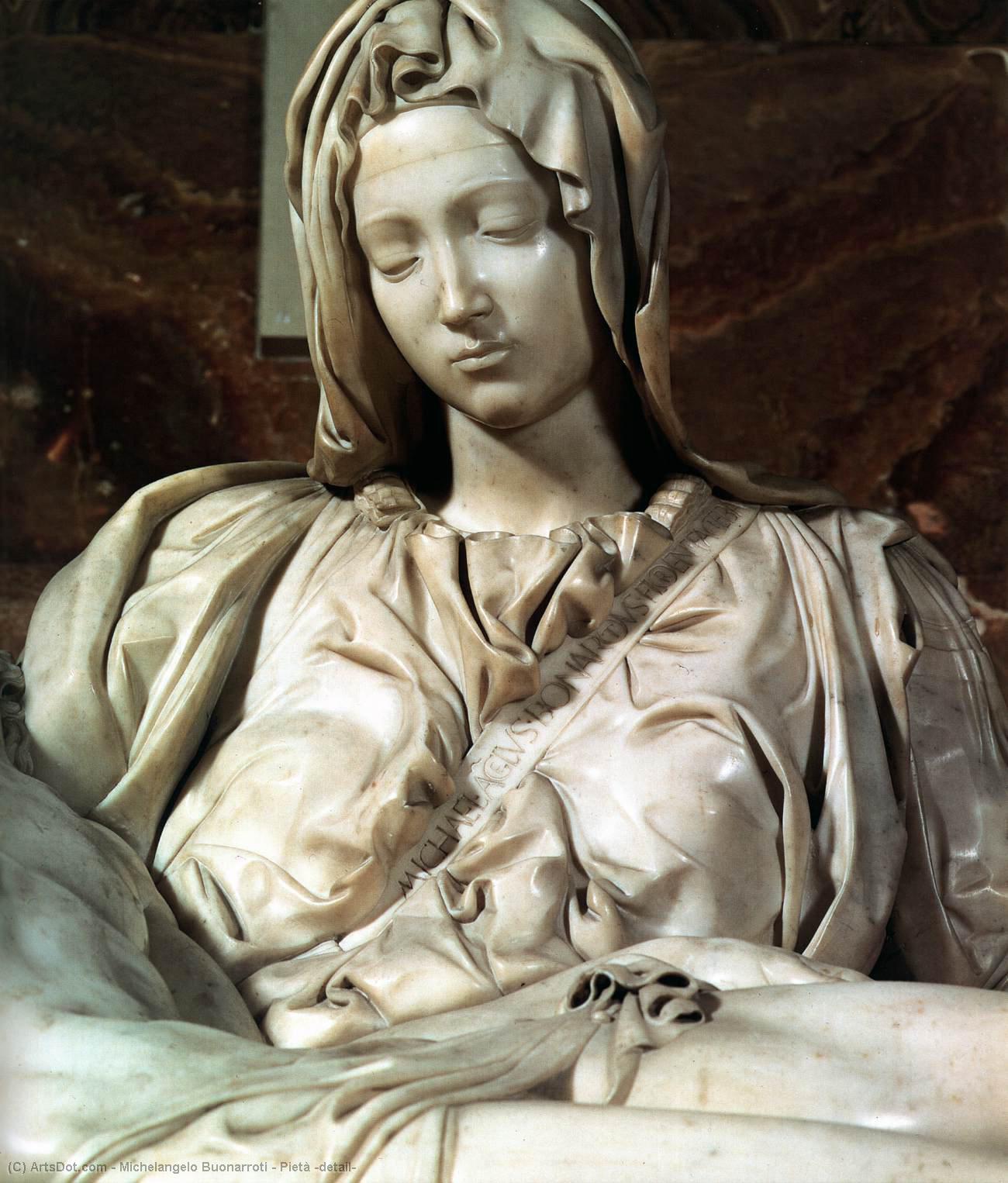
Michelangelo’s approach to the Pietà is a remarkable blend of classical influences and his own deeply humanistic vision. He meticulously studied the sculptures of ancient Greece and Rome, particularly those depicting idealized figures – the serene beauty of gods and goddesses, the heroic musculature of athletes. However, he didn't simply replicate these forms; instead, he used them as a foundation to create an image that felt profoundly real and emotionally resonant. Notice how the drapery, cascading around Mary’s body, isn’t merely decorative but dynamically conveys movement and texture – a testament to Michelangelo’s unparalleled ability to manipulate marble.
The anatomical precision is breathtaking, yet it's tempered with an exquisite sense of grace and tenderness. The folds of Mary’s robe aren’t stiff or formal; they flow organically around her body, creating an illusion of depth and emphasizing her posture as she cradles the lifeless form of Jesus. This careful attention to detail speaks volumes about Michelangelo’s commitment to portraying human emotion with uncompromising honesty – a hallmark of his artistic philosophy.
Symbolism Woven into Marble: Grief, Compassion, and Divine Redemption
The Pietà is laden with symbolic meaning, inviting viewers to contemplate profound themes. The most striking element is undoubtedly Mary’s expression – a serene calmness that contrasts sharply with the lifelessness of Jesus. This isn't an image of despair; it’s one of acceptance, of unwavering faith in the face of unimaginable loss. Michelangelo deliberately avoided depicting Mary as consumed by grief, instead portraying her as embodying maternal grace and spiritual fortitude.
The positioning of Mary’s hands – one gently supporting Jesus’s torso while the other cradles his feet – is particularly significant. It symbolizes her unwavering devotion to God and her selfless embrace of human suffering. The pyramidal composition, borrowed from classical sculpture, provides a sense of stability and grandeur, reinforcing the Pietà's message of enduring faith and divine grace. The dark cavernous space within the folds of Mary’s robe serves as a powerful metaphor for both Jesus’s birth and his death – a visual representation of the cyclical nature of life and sacrifice.
A Timeless Masterpiece: The Legacy of Michelangelo
The Pietà remains one of the most beloved and enduring works of art in history. It's a testament to Michelangelo’s genius, his ability to capture the essence of human emotion with unparalleled skill, and his profound understanding of religious symbolism. More than just a sculpture, it is an invitation to contemplate the mysteries of faith, grief, and the enduring power of love – a silent symphony that continues to resonate with viewers across centuries.
For those seeking a high-quality reproduction of this iconic masterpiece, consider exploring the exquisite reproductions offered by Mus3ums. They provide an opportunity to bring the Pietà’s profound beauty into your own home or studio.
O tym dziele
- Tytuł: Pieta
- Artysta: Michał Anioł Buonarroti
- Rok: 1499
- Format: Portret
- Status praw autorskich: Domena publiczna
- Gdzie można je zobaczyć: Bazylika Świętego Piotra
- Ruch: High Renaissance
- Okres twórczości: Early Renaissance
- Kontekst korpusu tekstowego: maternal sorrow, vatican setting
- Paleta kolorów: Barwy ziemi
Kluczowe informacje
- Movement: Renesans
- Subject: Maryja z ciałem Chrystusa
- Artistic style: Klasycystyczny
- Artist: Michał Anioł
- Location: Bazylika św. Piotra
- Notable elements: Drapowanie, kompozycja
- Title: Pieta
Kod QR