

A Jewel of Brazilian Culture: The Centro Cultural Banco do Brasil Rio de Janeiro
Nestled within the historic heart of Rio de Janeiro, opposite the vibrant Largo da Candelária, lies a building that transcends its physical form – it’s a living testament to Brazil's artistic soul. The Centro Cultural Banco do Brasil (CCBB) Rio de Janeiro isn’t merely a museum; it’s an immersive experience, a carefully curated journey through Brazilian art, theatre, cinema, and the very spirit of this captivating city. Originally conceived as the headquarters for the Commercial Association of Rio de Janeiro in 1880, this architectural masterpiece underwent a dramatic transformation when Banco do Brasil acquired it in the 1920s, blossoming into the dynamic cultural center it is today – a seamless blend of Art Deco elegance and contemporary creativity, reflecting Brazil’s own evolving identity.
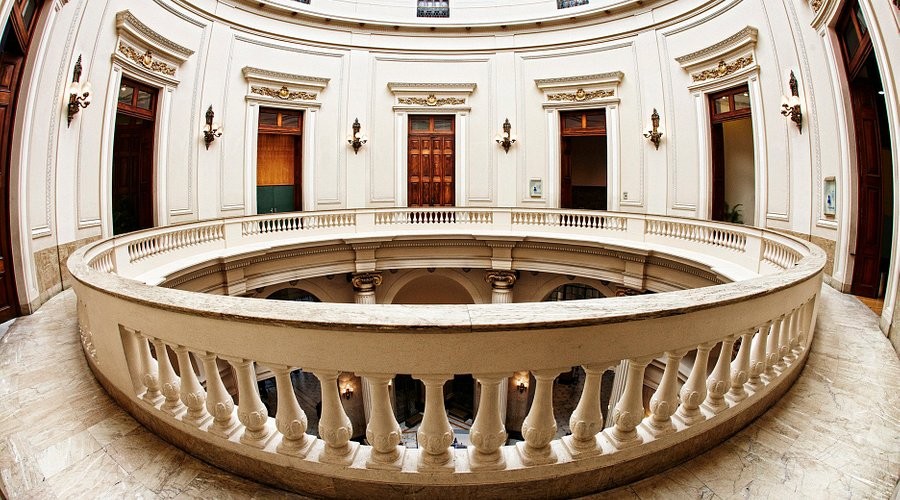
The building itself immediately commands attention. Designed by the esteemed architect Francisco Joaquim Béthencourt da Silva, it's a symphony in stone and light, boasting soaring columns that seem to reach for the heavens, intricate ornamentation that whispers of a bygone era, and a breathtaking marble staircase – an ascending cascade inviting visitors to step into a world of artistic discovery. The façade’s geometric patterns hint at the treasures within, while the interior maintains an atmosphere of refined grandeur, a deliberate choice to honor the building's rich past while embracing the future. The CCBB Rio de Janeiro stands as a powerful symbol of Brazilian cultural heritage, inviting visitors to step back in time and connect with the nation’s artistic legacy – a place where history breathes alongside innovation.
Architectural Significance: A Masterpiece of Brazilian Modernism
The Centro Cultural Banco do Brasil is more than just a building; it's a prime example of Brazilian Art Deco architecture, a style that flourished in the early 20th century and embodies a unique blend of European sophistication and Latin American flair. The design by Francisco Joaquim Béthencourt da Silva showcases geometric patterns – bold lines, stylized motifs, and symmetrical arrangements – interwoven with luxurious materials such as marble, polished wood, and intricate plasterwork. The building’s façade is particularly striking, featuring a series of interlocking rectangles and circles that create a visually arresting effect, hinting at the grandeur within. The soaring columns, reminiscent of classical architecture but executed in a distinctly modern style, contribute to the building's sense of monumental scale and elegance. It’s a testament to Béthencourt da Silva’s skill as an architect who successfully fused European influences with Brazilian sensibilities.
Historical Context: From Commercial Hub to Cultural Sanctuary
The building’s story is one of remarkable transformation. Originally conceived as the headquarters for the Commercial Association of Rio de Janeiro in 1880, it served as the nerve center of Brazil's burgeoning economy for decades. However, in the 1920s, Banco do Brasil recognized the building’s architectural significance and acquired it, initiating a profound metamorphosis. Rather than demolishing this historic landmark, the bank carefully preserved its original features while adapting it to serve as its central branch – a decision that ultimately led to its transformation into the vibrant cultural center we know today. This preservationist approach is a testament to Banco do Brasil’s commitment to both economic prosperity and cultural heritage. The building's strategic location in Largo da Candelária, a bustling public square, further enhances its accessibility and integration within the city’s social fabric.
A Kaleidoscope of Artistic Expressions: Exhibitions and Beyond
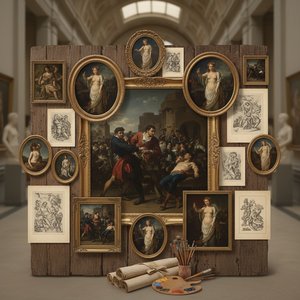
The CCBB Rio de Janeiro is far more than just a static collection of artworks; it's a dynamic hub for artistic expression. Throughout the year, visitors can immerse themselves in a diverse range of exhibitions – from established masters to emerging talents, showcasing Brazilian and international art forms. But the center’s offerings extend far beyond visual arts. The CCBB regularly hosts captivating theatrical performances, ranging from large-scale productions to intimate experimental shows; a vibrant cinema screening everything from independent Brazilian films to internationally acclaimed blockbusters; and a comprehensive library offering access to a wealth of knowledge. Notably, the CCBB has consistently hosted exhibitions that have garnered international acclaim. In 2015, for example, the presentation of “Picasso and Spanish Modernity” achieved global recognition as the most visited post-impressionist and modern exhibition worldwide, drawing an astounding number of visitors and solidifying the center’s reputation as a premier cultural destination – a testament to its commitment to showcasing exceptional art.
Echoes of Brazilian Masters: A Celebration of National Heritage
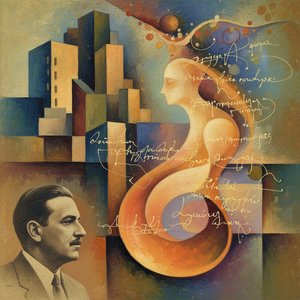
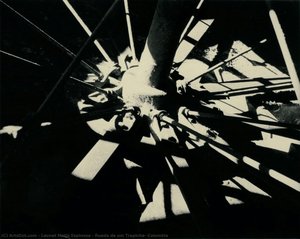
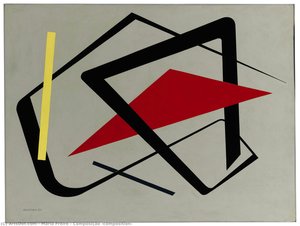
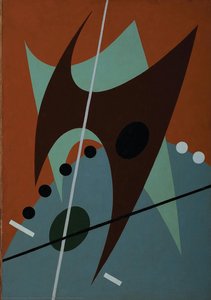
Delving deeper into the collection reveals a fascinating array of Brazilian artists whose work reflects the nation's diverse cultural landscape. The museum’s holdings include significant works by Francisco Togni, known for his evocative depictions of industrial São Paulo – particularly “Utilitário Centro Cultural (lado B),” which captures the city’s essence through geometric forms and cool tones. Hélio Oiticica, a pioneering Neo-Concrete artist whose innovative use of color, environmental art, and immersive installations pushed the boundaries of artistic expression, is also represented. Rubens Teixeira Scavone, a celebrated novelist and artist, adds another layer to this rich tapestry, showcasing his unique blend of creativity and wit. These artists, alongside many others, contribute to a vibrant celebration of Brazilian artistic heritage, ensuring that their legacies continue to inspire future generations. The CCBB Rio de Janeiro serves as a vital platform for showcasing their work, fostering dialogue, and preserving Brazil’s cultural identity.