


A Princely Legacy Etched in Stone and Canvas: The Château de Chantilly
Nestled amidst the rolling hills and ancient forests just north of Paris, rises the Château de Chantilly – a place far more than simply a magnificent building. It’s a living chronicle, meticulously woven from stone, canvas, and the echoes of noble families, a testament to centuries of ambition, artistic patronage, and an enduring pursuit of beauty. Initially conceived in the 16th century as a hunting lodge for Anne de Montmorency, Chantilly blossomed into a princely estate under the visionary guidance of Henri d’Orléans, the Duke of Aumale. He transformed it into a breathtaking showcase for his extraordinary art collection – a generous gift to France entrusted to the Institut de France and destined to become one of Europe's most celebrated cultural landmarks. Stepping through its doors is akin to traversing time, enveloped by an elegance that speaks of generations past, where every room whispers stories waiting to be discovered.
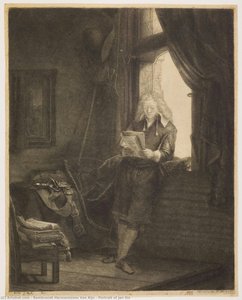
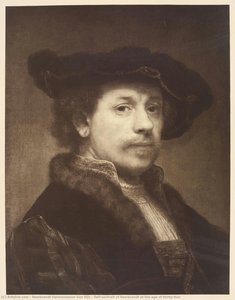
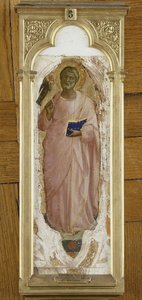
At the heart of this captivating estate lies the Musée Condé, a repository brimming with unparalleled artistic significance. This museum isn’t merely a collection; it's a carefully curated journey through the evolution of European painting from the 15th to the 19th centuries. The scope is remarkably comprehensive, boasting masterpieces that ignite the imagination – the ethereal *Three Graces* by Raphael, radiating an otherworldly beauty, alongside the dramatic compositions of Nicolas Poussin and the delicate scenes of Antoine Watteau. But it’s the *Très Riches Heures du Duc de Berry*, a medieval book of hours, that truly captures the soul. This illuminated manuscript is a miniature world of exquisite detail, vibrant colors, and evocative depictions of courtly life and the changing seasons; each page a testament to the extraordinary skill and artistry of the illuminators who breathed life into these sacred texts. Beyond paintings and manuscripts, the Musée Condé also houses an impressive array of sculptures, furniture, and decorative arts – elements that collectively paint a holistic picture of French artistic heritage, reflecting the Duke’s discerning taste and profound appreciation for beauty in all its forms.
A Dialogue in Stone: Architecture Through the Ages
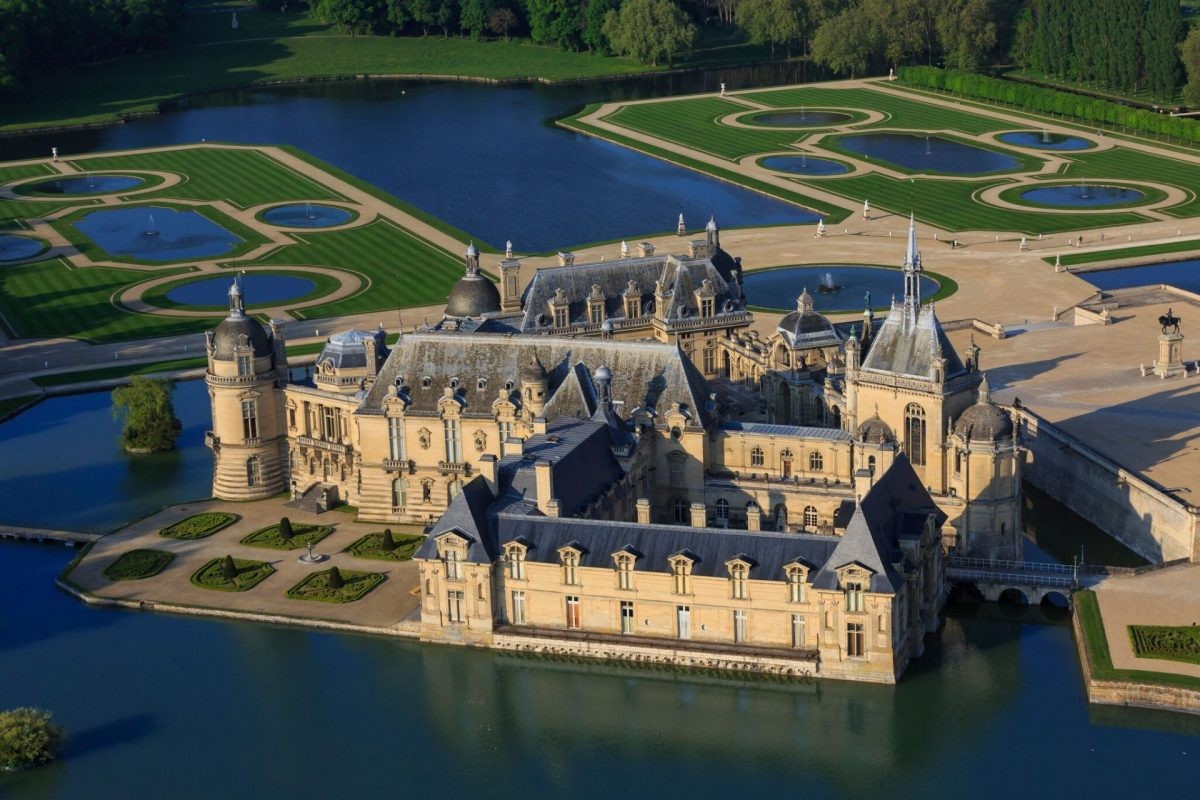
The Château de Chantilly isn't defined by a single architectural style; rather, it embodies a fascinating dialogue between different eras. The *Petit Château*, dating back to around 1560, stands as a perfect example of Renaissance elegance and refinement – its facades adorned with intricate carvings, its interiors bathed in the subtle interplay of light and shadow. Notice the delicate details above the windows, the graceful proportions of the façade, and the overall sense of harmonious balance. In stark contrast, the *Grand Château*, a product of the ambitious rebuilding project undertaken by the Duke of Aumale in the late 19th century, reflects a more opulent aesthetic, designed to showcase his vast art collection and evoke the grandeur of the French court. The transition between these two buildings isn’t jarring; instead, it creates a compelling visual narrative, illustrating the evolution of taste and ambition over centuries – a testament to how artistic sensibilities shifted alongside changing political landscapes.
The juxtaposition of the intimate Renaissance design with the grand Baroque style is particularly striking, offering a unique insight into the evolving aesthetic sensibilities of the time. The *Petit Château* whispers of quiet contemplation and refined elegance, while the *Grand Château* proclaims power and artistic patronage. Both buildings, however, contribute to a larger story – a story of continuity, adaptation, and an unwavering commitment to preserving beauty for generations to come.
Resilience and Restoration: A History Forged in Nobility
The story of Château de Chantilly is inextricably linked to the fortunes of France’s most prominent families. Initially conceived as a hunting lodge for Anne de Montmorency, it passed into the hands of the Condé family, becoming a center of political influence and cultural life. The French Revolution brought devastation, leaving much of the original château in ruins – a stark reminder of the turbulent times. However, the Duke of Aumale’s unwavering dedication ensured its resurrection – not merely as a replica of the past, but as an enhanced expression of artistic and historical significance. He meticulously assembled the art collection that forms the core of the Musée Condé, transforming Chantilly into a cultural beacon. His vision extended beyond rebuilding; he sought to capture the spirit of the original estate while elevating it to new heights of beauty and grandeur.
The restoration efforts undertaken in recent decades, supported by organizations like The Aga Khan and the World Monuments Fund, have further secured the château’s future, ensuring that its treasures will continue to inspire and captivate visitors for generations to come. This ongoing commitment to preservation speaks volumes about the enduring value placed on this remarkable cultural landmark – a testament to the power of vision, dedication, and an unwavering belief in the importance of safeguarding our shared heritage.
Notable Exhibitions & Ongoing Events
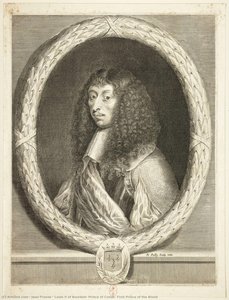
The Château de Chantilly regularly hosts a diverse range of exhibitions, offering fresh perspectives on its permanent collection and showcasing both established masters and emerging artists. Past highlights have included lavish displays dedicated to French portraiture, exploring the evolution of fashion through centuries of dress, and immersive installations that combined art with technology. Beyond these temporary exhibits, the Château also plays host to a vibrant calendar of events throughout the year, including classical music concerts, theatrical performances, and family-friendly activities – creating an atmosphere of cultural engagement for visitors of all ages. The annual equestrian shows at the Grandes Écuries are a particularly spectacular event, showcasing the skill and grace of horses and riders – a tradition that dates back centuries, embodying the spirit of chivalry and horsemanship.
For the most up-to-date schedule of events and exhibition details, please visit the official website: https://chateaudechantilly.fr/en/