


The Presence of History in Delft
The former Legermuseum in Delft occupies a space defined by its transition from a military repository to a site of modern redevelopment. Located at Korte Geer, the building has undergone a profound transformation, moving from its role as a dedicated military institution to becoming part of the Arsenaal Delft. This site, once the home of the museum, now functions as a multifaceted space for dining, events, and hospitality. The architecture of the area reflects a shift from the rigid structure of military life to the fluid, social atmosphere of a contemporary urban hub. While the physical museum has relocated to Soesterberg to join the Nationaal Militair Museum, the memory of its collection remains tied to the history of the Dutch army and air force.
The Collected Works
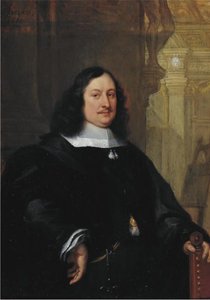
The collection held within the Legermuseum's catalog offers a glimpse into the portraiture and military scenes of centuries past. These works are not merely images but presences that reflect the social and military hierarchies of their eras. The selection includes:
- A guardroom interior featuring a young man with a drum, dated 1652 by David Teniers the Younger.
- A portrait of Nicolaas Schmelzing from 1611 by Jan van Ravesteyn.
- A depiction of a fight in a village from 1637 by Peter Snayers.
- A portrait of Samuel Constant de Rebecque from 1697 by Jan Hendrik Brandon.
- A portrait of Jonkheer Abraham Calkoen from 1810 by Johannes Hari.
Each piece carries the specific weight of its time. The brushwork of Teniers the Younger captures a quiet moment within a military setting, while the precision of Jan van Ravesteyn provides a direct encounter with the likeness of Nicolaas Schmelzing. These paintings exist as remnants of a specific Dutch visual tradition, preserved through the catalog of the institution.
A Site of Transformation
The evolution of the Korte Geer location marks a significant change in how history is housed. The sale of the building to Driestar BV signaled the end of its era as a traditional museum and the beginning of its life as a hotel and restaurant complex. This transition mirrors the broader movement of military history in the Netherlands, as the collection moved toward the Nationaal Militair Museum to form a unified center for the history of the land and air forces. The site remains a point of interest in Delft, where the old military structures now host the quiet commerce of modern life.


