
A Singular Window into Volyn Iconography: Exploring the Museum of Volyn Icon
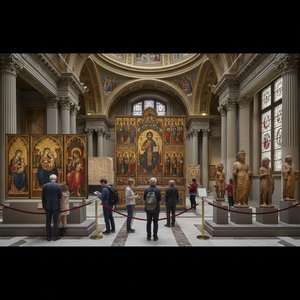
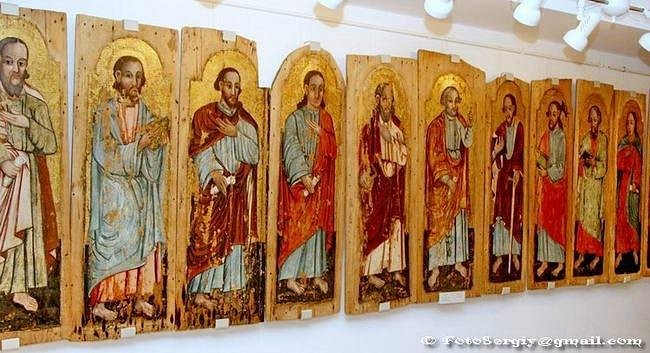
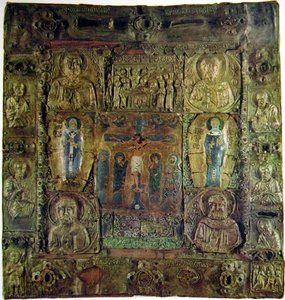
The Museum of Volyn Icon, nestled in the historic city of Lutsk, Ukraine, isn’t merely a repository of religious art; it's an immersive journey back to the artistic heartland of Eastern Europe. Founded on a bedrock of scholarly dedication and fueled by generous local donations—primarily spearheaded by the visionary art critic Pavlo Zholtovsky—the museum emerged in 1993 as a beacon for preserving Volyn’s distinctive cultural heritage, specifically its celebrated school of icon painting. Its mission transcends simple display; it strives to illuminate the spiritual and aesthetic values that shaped this region throughout centuries past.Collection Highlights: The museum's core strength lies in its extraordinary assemblage of over 1500 sacred art pieces, with more than 600 icons dating from the XVI to XIX centuries. These aren’t just images; they are tangible fragments of Volynian history and faith—each bearing witness to artistic innovation and devotion. Researchers have painstakingly documented techniques like layering pigments with meticulous detail—a testament to the skill and artistry of generations of painters, revealing a profound understanding of Byzantine traditions blended seamlessly with regional stylistic nuances.
The Volyn School's Legacy: What distinguishes this institution is its unwavering focus on the Volyn school of icon painting, a movement characterized by stylistic traits that evolved organically over time. Artists from Lutsk and surrounding areas developed a distinctive visual language—characterized by vibrant colors, intricate ornamentation, and a masterful command of perspective—reflecting both Byzantine influences and the specific cultural context of their era. The meticulous layering of pigments achieved through innovative methods speaks volumes about the dedication to preserving artistic heritage.
Historical Significance Beyond Art: The icons themselves are invaluable historical artifacts. They depict scenes from Orthodox Christian life, reflecting societal beliefs and traditions prevalent during their creation—from royal patronage supporting monastic piety to depictions of saints venerated throughout Volyn’s history. Examining these artworks allows us to grasp the cultural landscape of Volyn—a panorama painted in pigment and prayer.
Architectural Setting & Exhibitions: Situated in Lutsk, a city steeped in medieval grandeur and fortified by centuries of turbulent history, the museum’s building embodies solemnity and reinforces the contemplative atmosphere conducive to appreciating sacred art. While precise details regarding its design remain limited, it reflects the broader ethos of preserving cultural heritage—a deliberate choice to honor the artistic legacy enshrined within its walls.
The museum regularly hosts scholarly conferences dedicated to Volyn icon painting, attracting experts from across Europe. These events underscore Lutsk’s role as a center for artistic research and contribute to disseminating knowledge about this unique tradition – ensuring that future generations can continue to marvel at the beauty and complexity of Volynian iconography.
For art enthusiasts, historians, and anyone captivated by Eastern European culture, a visit to the Museum of Volyn Icon is more than just sightseeing; it’s an encounter with artistic excellence and a profound connection to Volyn's spiritual past. Its enduring appeal stems from its commitment to safeguarding this irreplaceable heritage—a legacy destined to inspire future generations.